Top 10 Best Internet Service Providers In Nigeria 2026

Table of Contents
Nigeria's internet market crossed a significant threshold in 2025, with active subscriptions climbing past 140 million across mobile and fixed networks, according to Nigerian Communications Commission (NCC) data. Choosing the best internet service provider in Nigeria in 2026, however, depends heavily on where you live and what you need. A trader in Onitsha may want cheap mobile data, while a remote software engineer in Lekki needs symmetric fibre with low latency.
To build this ranking, we weighed active subscriber numbers from NCC and Statista (Q4 2025), cross-referenced independent ISP rankings from db-ip.com, QikDigital, Cardtonic, Nosh, and Flipbz, and reviewed provider-reported coverage, plan pricing, and service-level commitments. Mobile-first operators dominate by raw subscriber volume, but dedicated fibre and fixed-wireless providers lead on connection quality, uptime, and enterprise service. We also factored in install timelines, contract flexibility, and how each provider performs in real-world conditions reported by users.
What follows is our ranking of the ten best internet service providers in Nigeria for 2026, from the telco giants down to the specialist fibre operators serving estates and corporate campuses.
These Are The Top 10 Best Internet Service Providers In Nigeria 2026:
1. MTN Nigeria (MTN FibreX / HyNet)
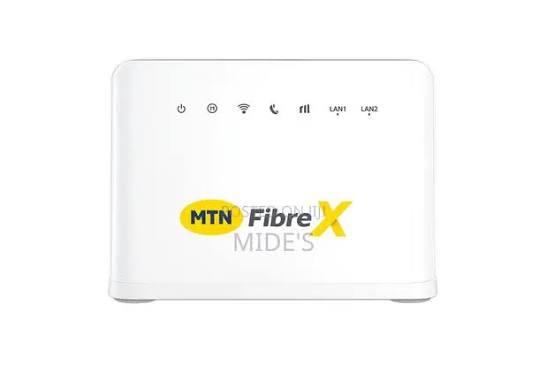
No other provider comes close to MTN Nigeria's scale. The company controls roughly 44% of Nigeria's active internet subscriptions as of Q4 2025, according to NCC data, making it the largest mobile and fixed broadband operator in the country by a wide margin.
MTN's dominance rests on two pillars. The first is mobile: its 4G and 5G networks reach more towns and villages than any competitor, and its retail distribution network, from branded kiosks to street vendors selling data vouchers, is unmatched. The second is fixed broadband. Under its HyNet brand, MTN has served homes and businesses for years, and in 2025 it launched MTN FibreX, a fibre-to-the-home (FTTH) service targeting high-speed connections in Lagos, Abuja, and other major cities.
The combination of the country's largest fibre backbone, an aggressive 5G fixed-wireless rollout, and bundled offerings that tie internet to voice and entertainment packages makes MTN the default choice for most Nigerian households. If you want the widest coverage and the least hassle, this is where you start.
2. Airtel Nigeria
Airtel Nigeria holds roughly 28% of active internet subscriptions, per NCC's Q4 2025 figures, placing it firmly in second place nationally. The operator has invested heavily in both 4G expansion and 5G rollout, and its urban coverage in Lagos, Abuja, Kano, and Port Harcourt is strong enough to challenge MTN in several neighborhoods.
For home and enterprise customers, Airtel pushes its SmartCONNECT fixed-wireless and fibre offerings, which bundle data with voice and productivity tools. Pricing is competitive, particularly on larger data bundles, and Airtel has earned a reputation among users for aggressive promotional offers during festive periods.
Where Airtel falls short of MTN is rural reach. Its network is denser in cities and along major highways, which suits urban professionals and businesses but matters less if you operate in remote areas. For most city dwellers, though, Airtel is a legitimate alternative to MTN, sometimes with better speeds at peak hours.
3. Glo (Globacom)
Globacom, universally known as Glo, is Nigeria's second national carrier and the third-largest internet provider with about 14% of active subscriptions as of Q4 2025. The company owns Glo 1, a submarine cable that lands in Lagos and provides international bandwidth capacity, giving it infrastructure independence that smaller ISPs lack.
Glo's consumer strategy leans on aggressive data bundle promotions. Its "Glo Yakata" and similar campaigns have historically undercut MTN and Airtel on price per gigabyte, which keeps it popular among students, traders, and price-sensitive users. Coverage extends into semi-urban and rural areas where dedicated ISPs don't operate.
The trade-off is consistency. User sentiment on forums like Nairaland frequently cites slower speeds during peak hours compared to MTN and Airtel, though Glo's 4G/LTE footprint has improved. For light browsing, social media, and messaging, it remains a solid budget option with genuinely broad national reach.
4. Spectranet
Spectranet pioneered 4G LTE fixed-wireless internet in Nigeria and remains the strongest independent ISP in that category, with over 100,000 subscribers across Lagos, Abuja, Ibadan, and Port Harcourt.
Its model is simple: buy a plug-and-play router, pick a plan, and get online within hours, no trenching, no waiting weeks for fibre installation. Plans range from metered to unlimited, and the no-contract structure appeals to renters and businesses that need flexibility. Spectranet has also begun offering fibre in select areas where demand justifies the infrastructure investment.
Among dedicated (non-telco) ISPs, Spectranet is the one most frequently recommended for reliability and customer service in independent rankings, including Cardtonic's 2026 ISP review. Speeds typically range from 10 Mbps to 40 Mbps depending on plan and location, which is enough for streaming, video calls, and small office use.
5. ipNX Nigeria Limited
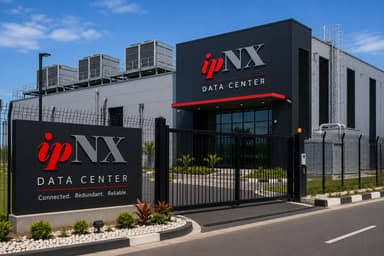
ipNX is a fibre-first operator with roughly 187,904 active subscribers, according to db-ip.com rankings, making it one of Nigeria's largest fixed-line ISPs. The company runs an extensive metro fibre network in Lagos, Abuja, and Port Harcourt, serving both residential estates and enterprise clients.
Its residential offerings, including the nLite packages, deliver some of the fastest home internet speeds available in Nigeria, with low latency that gamers and remote workers notice immediately. For businesses, ipNX is known for strong service-level agreements (SLAs), dedicated bandwidth, and responsive technical support, which is why banks, tech companies, and multinationals frequently choose it over consumer-grade alternatives.
The catch is coverage. ipNX builds where the economics work, meaning fibre-connected estates and commercial districts. If your street isn't wired, you're out of luck for now. But if it is, ipNX is arguably the best fixed-line experience in the country.
6. Smile Communications Nigeria
Smile Communications was one of the first operators to launch commercial LTE services in Nigeria and now serves around 129,280 active subscribers, per db-ip.com data. It operates in Lagos, Abuja, Ibadan, Port Harcourt, and several other major cities, offering both fixed and mobile LTE internet.
The company's standout feature is VoLTE. Its SmileVoice service lets customers make calls over the same LTE connection used for data, which is useful for businesses that want a single pipe for voice and internet. Data plans are flexible, with options ranging from daily bundles to multi-month unlimited packages.
Coverage is the limitation. Smile concentrates on urban areas and doesn't pretend to be a national mobile operator. If you're within its footprint and want a reliable LTE connection without a telco contract, it's a strong pick. Outside those cities, look elsewhere.
7. Tizeti (wifi.com.ng)
Tizeti built its business on a simple insight: many Nigerians want unlimited internet at a price that doesn't punish heavy usage. The company operates one of the country's largest public Wi-Fi and home broadband networks, powered largely by solar energy, with coverage across Lagos, Ogun State, and parts of Abuja.
Its unlimited home plans and community Wi-Fi hotspots have made it popular in densely populated urban and peri-urban areas where fibre hasn't reached. Tizeti has attracted backing from Y Combinator and Western Technology Investment, and it has expanded into other West African markets, signaling confidence in its low-cost model.
Speeds won't match fibre, and latency can spike during peak hours. But for households that mostly stream, browse, and work from home on a budget, Tizeti's unlimited model is hard to beat on value.
8. FiberOne (FibreOne Broadband)
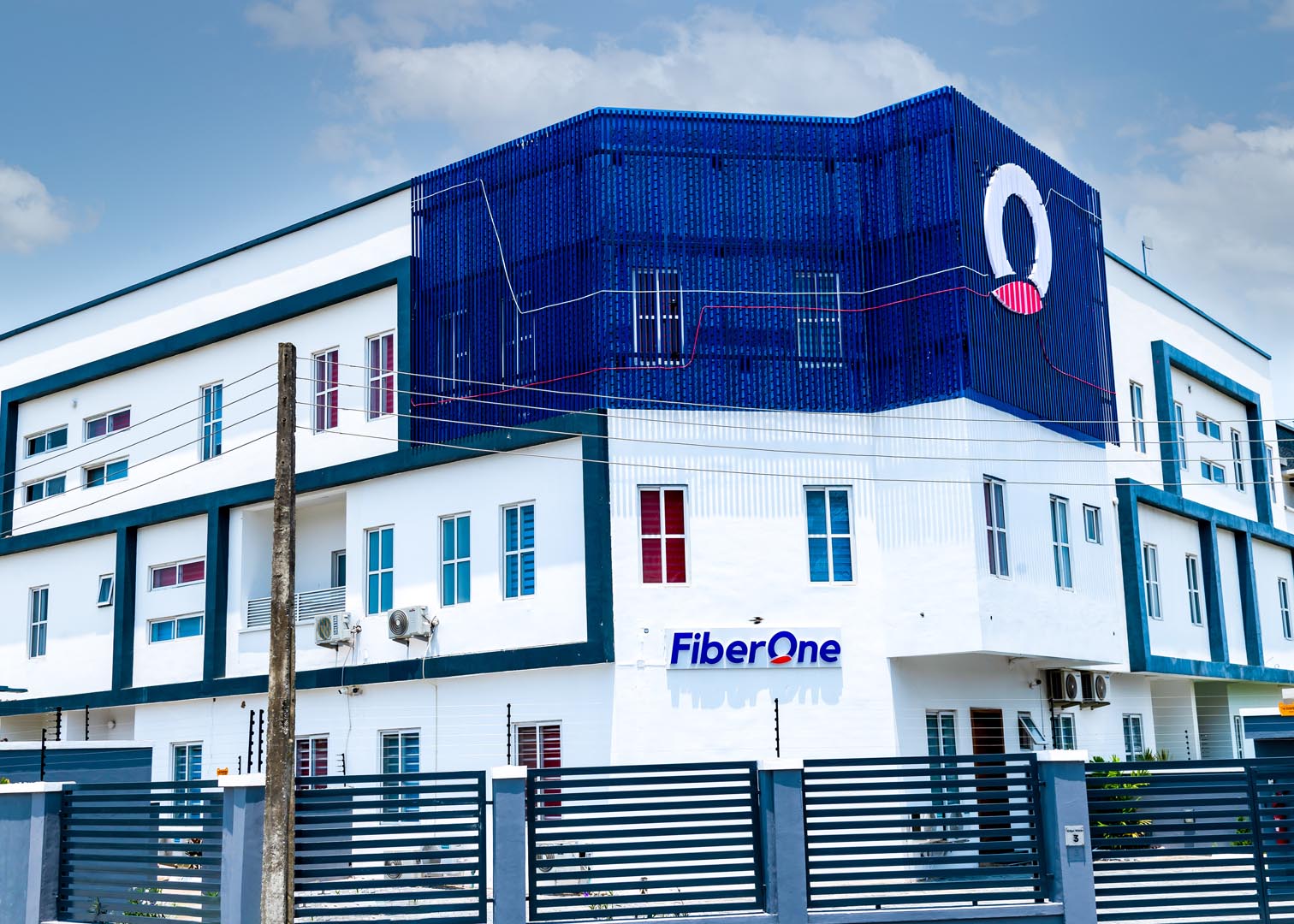
FiberOne is a dedicated fibre-to-the-home ISP that targets heavy internet users: remote workers, gamers, content creators, and businesses that need symmetric upload and download speeds. Plans reach up to 1 Gbps in Lagos, Abuja, and Port Harcourt, with no data caps.
The company's pitch is performance over price. FiberOne isn't the cheapest option in any market it serves, but it consistently ranks among the most reliable ISPs in independent reviews, including Cardtonic and Nosh's 2025-2026 assessments. Symmetric speeds matter for anyone uploading large files, running video calls, or hosting services from home.
If your building or estate is fibre-ready and you're tired of evening slowdowns on shared networks, FiberOne is worth the premium. Availability remains concentrated in high-density urban areas, so check coverage before committing.
9. Cobranet Limited
Cobranet has been operating since 2002, making it one of Nigeria's longest-established ISPs. The company provides internet, IP telephony, and managed network services across Lagos and other commercial hubs, serving enterprises, SMEs, estates, and residential customers.
Its infrastructure combines owned fibre and wireless links, and it tailors bandwidth solutions to individual clients rather than pushing one-size-fits-all packages. That flexibility has kept it in "top ISP" rankings for years, including QikDigital and Cardtonic's 2026 lists, largely on the strength of enterprise reliability and customer support.
Cobranet's residential footprint is smaller than the telcos', but for estates and businesses that want a provider willing to design a custom solution, its two decades of operating experience count for something.
10. VDT Communications
VDT Communications rounds out our list as a Lagos-based ISP with a strong enterprise focus. The company specializes in connectivity for banks, corporates, and government institutions, offering fibre, wireless, and managed network services backed by an extensive Points-of-Presence (PoP) network across Nigeria.
It consistently ranks among the country's top 20 ISPs by subscriber count and PoP coverage, according to Flipbz's 2025 ISP rankings. While its residential presence is smaller than the consumer-facing telcos, its business-grade internet and data services have earned it a loyal corporate client base that values uptime and account management over flashy consumer promotions.
For individual homes, VDT is rarely the first call. For companies that need a provider to sign an SLA and show up when something breaks, it belongs on the shortlist.
Your location matters more than any ranking. Fibre providers like ipNX and FiberOne only serve wired buildings, Spectranet and Smile depend on LTE coverage maps, and Tizeti operates in specific cities. Before comparing prices, confirm which providers actually reach your address.
Budget matters, but so does usage pattern. Light users who mostly browse and stream can save significantly with mobile data from MTN, Airtel, or Glo. Heavy users, remote workers, and gamers should prioritize unlimited fibre or fixed-wireless plans, even at higher monthly costs, because overage charges and throttling erode the savings quickly.
Finally, ask about installation timelines and contract terms. Dedicated ISPs like Spectranet offer same-week installation with no long contracts, while fibre builds can take longer depending on infrastructure at your location. In 2026, Nigeria's best internet service provider is the one that actually connects to your home, at the speed you need, without surprise charges.
Related Posts

2 Comments
Join the discussion and share your thoughts