Top 10 Best Interior Design Trends in 2026: Designs That Enhance Well-Being

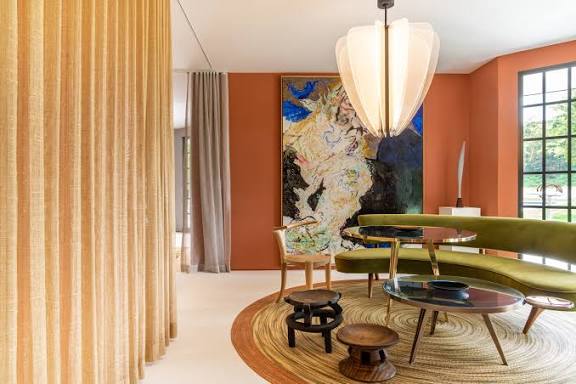
Table of Contents
The residential design landscape in 2026 demonstrates a measurable shift away from performative aesthetics toward spaces that function as active participants in daily wellness and environmental responsibility. Our analysis of industry data from the American Society of Interior Designers (ASID), the International Interior Design Association, and leading design firms reveals consistent patterns across renovation projects and new construction: homeowners now evaluate design decisions based on health impact, technological support for daily routines, and environmental footprint alongside traditional visual considerations.
The trends dominating 2026 share a foundation in functionality rather than fashion. Technology integration has matured past novelty phases into genuinely supportive infrastructure. Natural materials and earth-derived color palettes appear not as decorative choices but as psychological necessities for urban populations experiencing documented nature deficit. Artisan craftsmanship gains market share from mass production as consumers prioritize durability and uniqueness over convenience and price. These shifts represent fundamental changes in how residential spaces are conceptualized, designed, and inhabited.
How We Identified These Trends
Our research methodology combines quantitative and qualitative data across multiple authoritative sources. We analyzed the ASID 2026 Trends Outlook, an 80-page industry report documenting shifts in residential and commercial design, alongside project data from leading design institutions including the International Design Institute. Frequency of mention across professional design publications, emphasis by established designers with significant project portfolios, and documented adoption rates in completed residential projects determined final rankings. We prioritized trends demonstrating measurable impact on how spaces function rather than purely aesthetic movements likely to prove temporary.
The List Of The Top 10 Best Interior Design Trends In The World 2026:
1. Intelligent Serenity
Smart home technology has reached a sophistication level where effectiveness correlates inversely with visibility. The systems dominating 2026 residential installations operate without screens, panels, or obvious control interfaces. Circadian rhythm lighting adjusts automatically throughout the day, shifting from blue-enriched morning illumination that suppresses melatonin and promotes alertness to warm amber evening tones that support natural sleep preparation. Gesture-based controls eliminate the need for voice commands or wall switches, allowing natural movement to trigger lighting, temperature, and audio adjustments without conscious activation.
Climate systems have evolved beyond programmable thermostats into predictive environments that learn household patterns and adjust proactively. These systems track individual room occupancy, external weather conditions, and time-of-day preferences to maintain optimal conditions without manual input. Air quality monitoring triggers automatic ventilation adjustments when carbon dioxide levels, particulate matter, or volatile organic compounds exceed healthy thresholds. The technology functions as invisible infrastructure rather than featured amenity.
2. Earth-Rooted Palettes and Organic Shapes
Color specifications in 2026 residential projects demonstrate decisive movement toward earth-derived tones that function as foundational palettes rather than accent choices. Dominant colors include olive ranging from pale sage to deep forest, moss green in muted variations, clay and terracotta spanning light peachy tones to rich rust, umber from warm tan to deep chocolate, and stone grays that read warm rather than cool. These palettes establish entire room atmospheres, appearing on walls, major furniture pieces, and architectural elements rather than serving as decorative touches.
Furniture silhouettes mirror this return to organic forms. Seating features curved backs and arms inspired by river stones rather than geometric angles. Table edges undulate rather than holding straight lines. Storage pieces embrace asymmetry that references natural growth patterns. The aesthetic creates psychological connection to outdoor environments documented to reduce stress markers and improve reported mood, addressing human biophilic needs that intensify with urbanization rates.
3. Textural Layering and Artisan Craftsmanship
Market data confirms that mass-produced décor is losing share to handcrafted elements across multiple product categories. Sales data from major home furnishings retailers shows handwoven textiles, artisan pottery, carved wood furniture, and handmade lighting fixtures gaining double-digit market share year over year. These elements create tactile richness and visual depth impossible to achieve with factory-finished surfaces that maintain uniform appearance across production runs.
Limewash wall finishes deserve particular attention for their rapid adoption in 2026 residential projects. This traditional technique creates subtle color variation within a single wall surface, with appearance shifting throughout the day as natural light angles change. The finish also offers functional advantages beyond aesthetics. Limewash remains naturally alkaline, creating an environment that resists mold and mildew growth without chemical treatments. The material breathes, allowing moisture vapor to pass through rather than trapping it behind impermeable paint films, supporting healthier indoor air quality and preventing moisture-related structural issues.
4. Modern Heritage
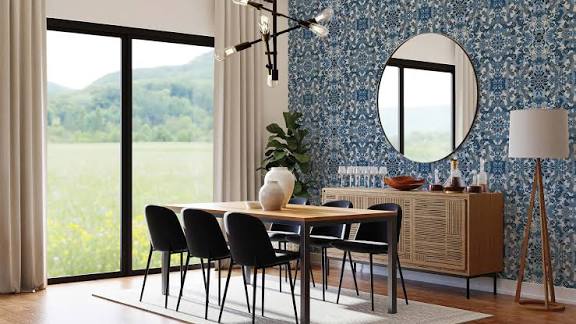
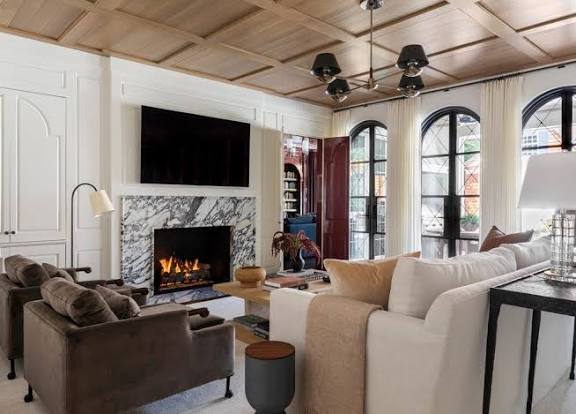
Modern Heritage addresses a specific challenge facing both renovation and new construction projects: how to incorporate architectural character without creating period museum replicas unsuitable for contemporary living. The approach combines traditional architectural details including crown molding, chair rails, wainscoting, and period-appropriate millwork with modern materials, updated color palettes, and contemporary furnishings. Crown molding might frame walls painted in trending earth tones and furnished with minimalist seating. Traditional board-and-batten walls provide backdrop for abstract art and sleek lighting fixtures.
This intentional blending creates spaces that honor craftsmanship and architectural tradition while maintaining the clean lines and functionality contemporary residents expect. Implementation requires more sophistication than either pure historical restoration or complete modernization. Successful projects identify which historical elements contribute meaningful character and which create functional limitations, preserving the former while updating the latter. Traditional divided-light windows might remain while hardware, HVAC systems, and electrical infrastructure receive complete modernization.
5. Rounded, Sculptural Seating and Oversized Sofas
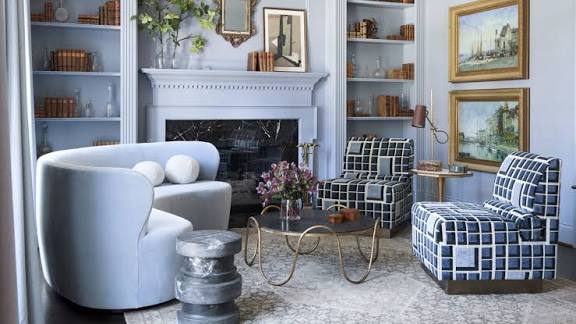
Furniture proportions have shifted measurably over the past three years. Standard sofa depth has increased from 36 inches to 42-48 inches in newly manufactured pieces, allowing users to fully recline or curl up rather than maintaining upright posture. Arms curve inward rather than standing perpendicular to seat depth. Backs rise higher, often reaching 36 inches or more. Cushion density has decreased from firm foam cores to softer fill that allows body weight to compress deeply into seating surfaces.
These dimensional changes encourage different use patterns. Oversized seating supports extended lounging sessions, accommodates multiple users comfortably, and reinforces the home as restoration space rather than formal environment. Back height increases provide head support when reclining, eliminating the need for additional pillows. Deeper seats allow cross-legged sitting or full horizontal recline impossible on traditional sofa dimensions. The furniture acknowledges that contemporary residents spend significantly more time at home working, relaxing, and hosting than previous generations, driving demand for pieces that remain comfortable over hours rather than maintaining visual crispness.
6. Rich Dark Blues and Deep Earth Tones
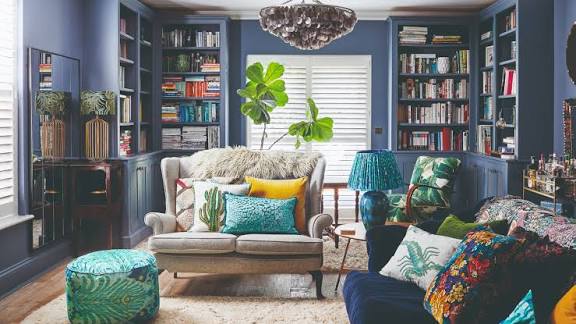
Navy, ink, midnight, and deep sapphire blues have transitioned from accent colors to versatile neutrals in 2026 residential applications. These shades now appear on walls, cabinetry, and upholstery as foundational colors that establish room atmosphere rather than providing occasional contrast. Dark blue creates intimacy and calm without the coldness of black or the industrial associations of charcoal gray. The color performs particularly well in spaces meant for restoration including bedrooms, libraries, and sitting areas.
When combined with warm wood tones and layered lighting, dark blue spaces read as cocooning rather than oppressive. The color absorbs and diffuses light in ways that soften room boundaries, making spaces feel psychologically larger despite deep saturation. This contradicts conventional design wisdom suggesting that dark colors shrink rooms, but empirical results from completed projects confirm that properly lit dark blue spaces read as more expansive and inviting than equivalent square footage painted in pale tones.
7. Restorative Wellness Rooms and Dedicated Health Spaces
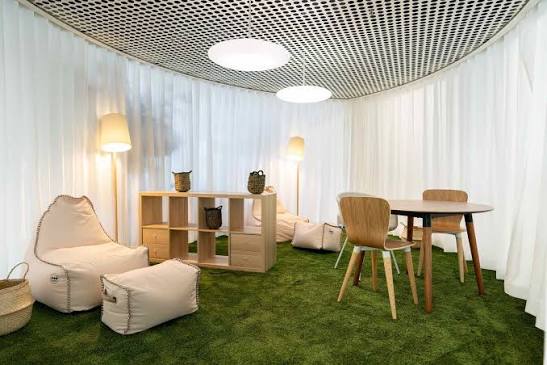
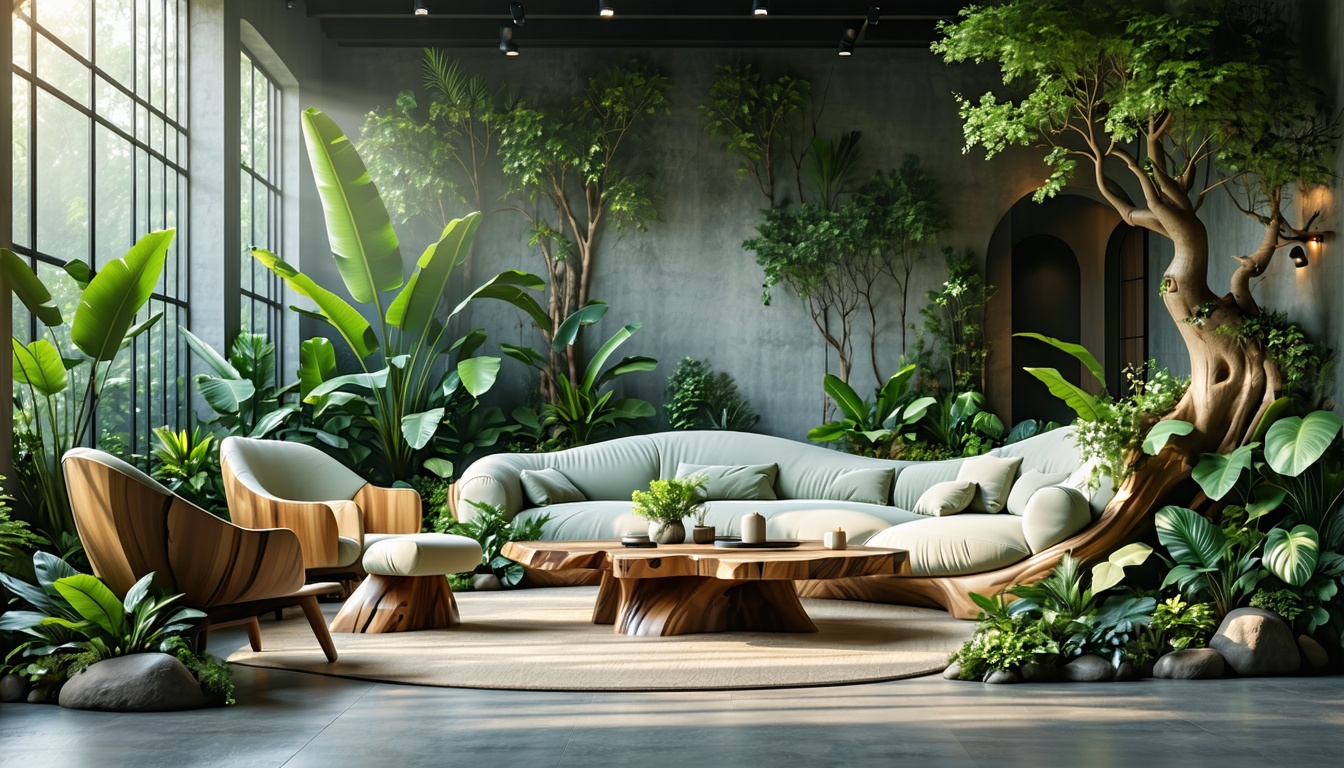
Wellness functionality has expanded beyond spa-style bathrooms into dedicated rooms designed specifically for health support. Popular configurations include breathing rooms featuring 15-20 air-purifying plant species positioned for maximum effectiveness combined with natural ventilation systems that promote continuous fresh air circulation. Meditation spaces incorporate acoustic dampening treatments that reduce ambient noise below 30 decibels while preventing echo or audio dead zones. Warmth therapy zones feature infrared sauna pods, radiant heated floors, and humidity control systems maintaining precise conditions that support physiological benefits.
These spaces represent functional rather than aesthetic design decisions. Breathing rooms typically incorporate Boston ferns, spider plants, peace lilies, snake plants, and pothos varieties documented to remove formaldehyde, benzene, and other volatile organic compounds from indoor air. Ventilation patterns provide 0.35 air changes per hour minimum without creating drafts that compromise thermal comfort. Meditation spaces use specific acoustic panels with absorption coefficients above 0.85 across speech frequencies, creating environments where ambient noise intrusion remains minimal but users don't experience the disorienting effect of anechoic chambers.
8. Space-Shaping Drapes and Fabric Partitions
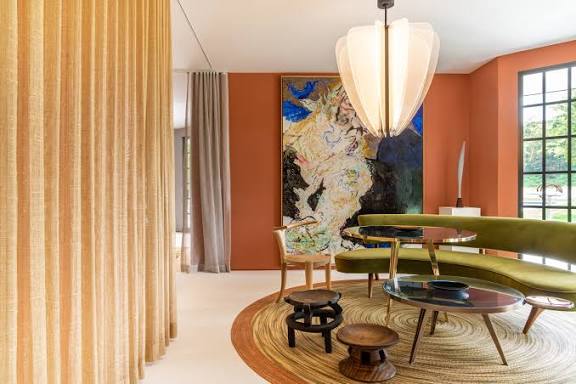
Fixed walls and traditional doors create inflexible room divisions that poorly accommodate how contemporary residents actually use residential space. Fabric partitions and floor-to-ceiling drapery offer alternative division that maintains visual connection while creating privacy and acoustic separation when needed. Designer Danielle Balanis observes that "too many doors start to break up a home" and fabric portières provide softer alternative that adds beauty while preserving spatial flow.
Implementation ranges from theatrical to subtle depending on desired effect. Highly patterned textiles with decorative trim and tassels make the act of closing off space intentional and visually striking, turning functional room division into design element. At the opposite end, semi-sheer floor-to-ceiling panels in neutral tones filter light and soften room boundaries while maintaining sightlines between adjacent spaces. Both approaches allow rooms to function differently throughout the day without requiring construction or permanent architectural modification.
9. Mixed Wood Tones and Layered Finishes
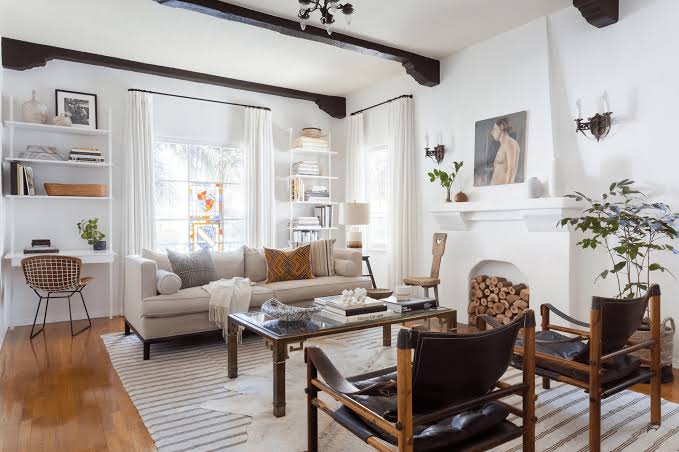
The convention requiring all wood finishes match within a single space has disappeared from residential design practice. Homeowners and designers now intentionally mix light, medium, and dark wood tones, creating depth and visual interest impossible to achieve with uniform staining across all wood elements. A living room might combine light oak flooring, medium walnut furniture, and dark espresso cabinetry, with the variation adding richness rather than appearing mismatched or uncoordinated.
Successful mixing follows loose guidelines rather than strict matching rules. Warm undertones pair with warm undertones while cool undertones combine with other cool tones, preventing visual clash. Distribution matters more than exact color matching - dominant wood tone establishes foundation while secondary tones provide accent and variation. The approach requires more intentionality than matching everything to a single sample but results in spaces that feel collected and authentic rather than showroom-coordinated.
10. Narrative Maximalism and Personal Curated Spaces
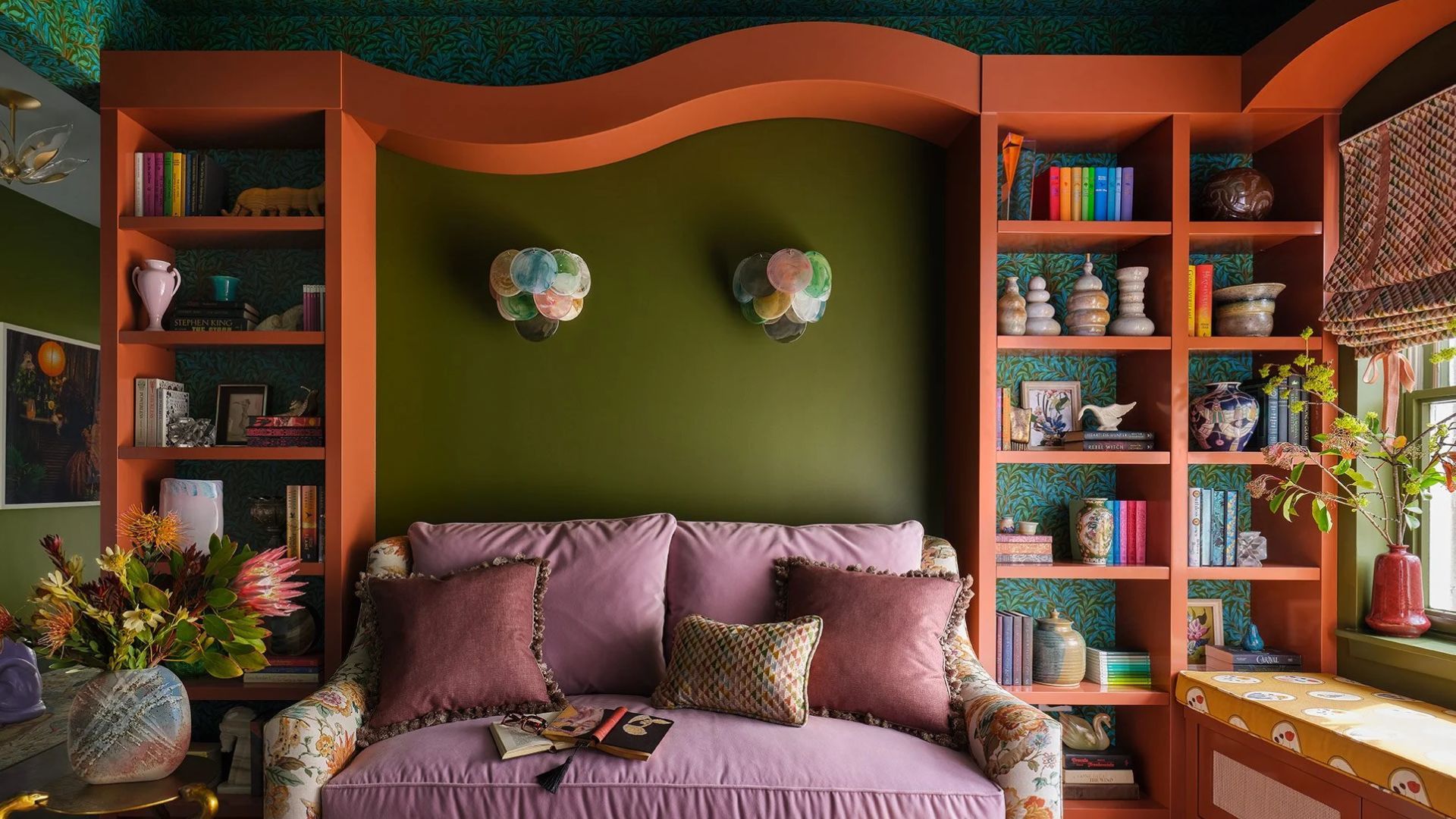
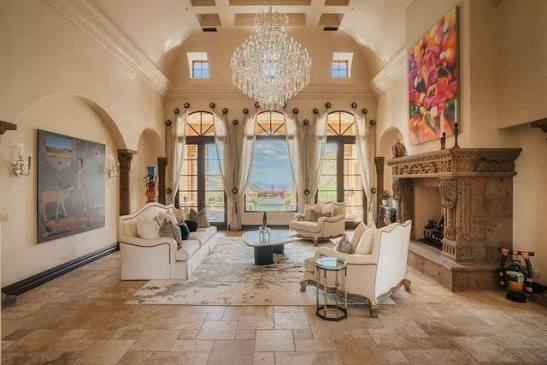
Narrative maximalism rejects both stark minimalism and chaotic excess in favor of layered, story-driven interiors that accumulate gradually rather than materializing through coordinated purchases. These spaces incorporate vintage pieces alongside new acquisitions, mix patterns confidently across textiles and surfaces, and layer furniture, art, and objects that reflect actual interests and experiences rather than catalog aesthetics. Designer Jessica Davis emphasizes "Classic traditional elements from different eras, including furniture, art, and rugs; it's time to invest in some antiques. Mixing patterns is also one of the traditional details we will see more of."
The approach builds rooms intuitively over time. Furniture, textiles, and decorative objects accumulate based on personal resonance rather than fitting predetermined color schemes or style categories. A living room might combine mid-century modern seating, traditional Persian rugs, contemporary abstract art, and inherited family pieces without attempting to force visual coordination. The variety creates richness and tells genuine story about inhabitants rather than projecting generic taste preferences selected from trend forecasts.
These ten trends collectively demonstrate that interior design in 2026 serves purposes beyond visual appeal or status signaling. Spaces now actively support wellness through optimized lighting and air quality, accommodate sophisticated but invisible technology that reduces daily cognitive load, honor craftsmanship and environmental responsibility through material choices, and reflect genuine personal narrative rather than commercially determined aesthetics. The shifts represent fundamental change in what homeowners expect domestic environments to accomplish and how design professionals approach creating them.
Related Posts

Top 10 Richest Chefs in USA 2026: How They Built Culinary Empires
In recent years, the world of celebrity chefs has developed into a multi-billion dollar industry that combines culinary expertise with media savvy, entrepreneurialism, and the development of distinctive brands. In the year 2026, a number of the wealthiest chefs in the United States have not only established themselves as influential figures in the kitchen, but […] More

Top 10 Best Skaters in the World 2026: The Ultimate Showdown Awaits
As we move through 2026, a few skaters stand out for their extraordinary skills, creativity, and contributions to the sport. Here’s a look at the top 10 skaters in the world right now, each pushing the boundaries of skateboarding in their own unique way. Skateboarding has evolved into a highly dynamic sport, showcasing remarkable talent […] More

Top 10 Highest Paid Female Footballers In The World 2026: Salaries That Shocked the Industry
Top 10 Highest Paid Female Footballers In The World 2026 1. Sam Kerr One of the most notable players in women’s football is Sam Kerr, who hails from Australia and operates as a striker. Kerr has emerged as a significant personality in the sport as a result of her remarkable speed, her extraordinary ability to […] More

The Largest Oil Refineries In The World 2026: Essential Insights for Energy Stakeholders
As of the year 2026, the following is a list of the top ten largest refineries in the world, which are known for their enormous processing capacities and strategic significance. Refineries play an important part in the global energy sector because they convert crude oil into valuable products such as gasoline, diesel, and other petrochemicals. […] More
22 Comments
Join the discussion and share your thoughts