Top 10 Best Geographers In The World 2026: Their Impact on Global Issues

Table of Contents
The discipline of geography stands at a crossroads in 2026, addressing challenges that define our era: climate change, food security, spatial inequality, and the technological transformation of how we understand place and space. Identifying the field's leading practitioners requires looking beyond traditional metrics to recognize those whose work shapes policy, advances methodology, and redefines what geography can accomplish.
Our analysis draws from the most prestigious recognitions in the discipline: the American Association of Geographers (AAG) Awards and the Royal Geographical Society's 2026 honors. These institutions represent the gold standard in geographical scholarship, with selection committees comprising leading academics who evaluate lifetime contributions, research impact, methodological innovation, and public engagement. The geographers recognized in 2026 share a commitment to geographical research that matters beyond academic journals, influencing international policy, advancing scientific rigor, and communicating spatial understanding to diverse audiences.
The ranking presented here reflects a systematic evaluation based on four primary criteria established through professional recognition in 2026. First, we assessed institutional validation through major awards from the AAG and Royal Geographical Society, organizations with rigorous peer-review processes spanning decades. These awards carry significant weight because recipients undergo extensive evaluation by disciplinary leaders who scrutinize research quality, innovation, and sustained impact.
Second, we evaluated research impact through demonstrated influence on both academic discourse and real-world applications. Geographers who shape international policy, develop frameworks adopted by other researchers, or create entirely new research directions received higher rankings. Third, we considered methodological contributions that advance how geography is practiced, from spatial analysis techniques to visual communication methods. Finally, we weighted career stage appropriately: lifetime achievement merits top recognition, while exceptional early-career contributions signal emerging leadership.
The AAG Lifetime Achievement Honors Award represents the discipline's highest recognition for sustained excellence across decades. The AAG Honorary Geographer Award recognizes exceptional research with demonstrated global policy impact. The Royal Geographical Society's medals, including the Murchison Award for research publications, the Gill Memorial Award for early career achievement, and specialized awards for visual geography and applied research, provide additional markers of excellence. Each geographer's ranking reflects their specific 2026 recognition alongside the broader significance of their contributions.
Understanding the 2026 Geography Leadership Landscape
The 2026 cohort of recognized geographers reveals important trends in the discipline. Geographic Information Science continues its ascendance, with pioneers in spatial analysis and remote sensing earning top recognition. The integration of geography with pressing global challenges like food security and climate change demonstrates the field's policy relevance. Methodological innovation, particularly in reproducibility and visual communication, signals geography's commitment to scientific rigor and public engagement. Early-career researchers receiving major awards indicates a healthy pipeline of emerging talent pushing the discipline forward.
The List Of The Top 10 Best Geographers In The World 2026:
1. Dr. Nina Siu-Ngan Lam
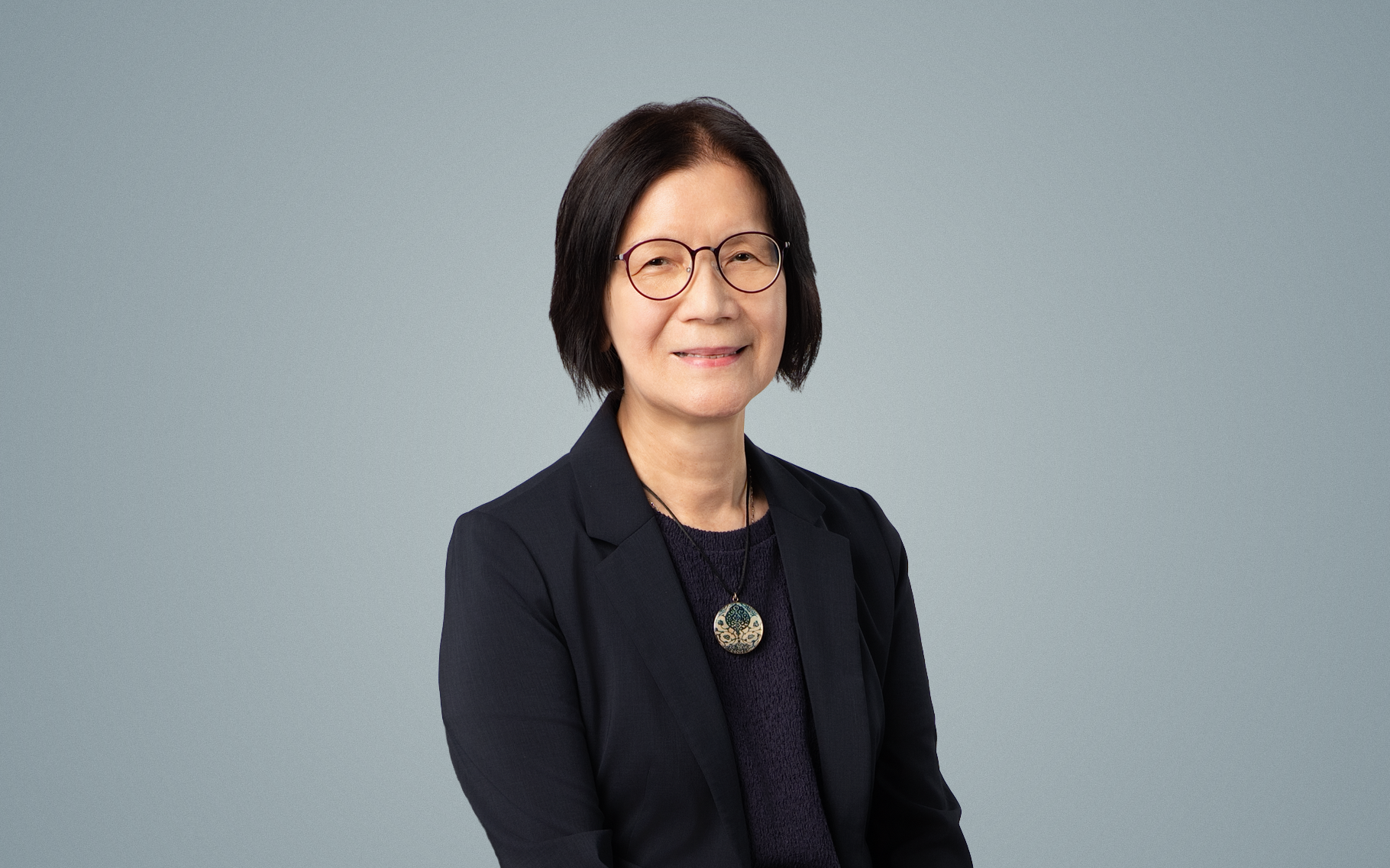
Dr. Nina Siu-Ngan Lam receives the discipline's highest honor in 2026: the AAG Lifetime Achievement Honors Award. As E. L. Abraham Distinguished Professor at Louisiana State University and Wei Lun Professor at Chinese University of Hong Kong, Dr. Lam has shaped Geographic Information Science for over four decades. Her pioneering research in spatial interpolation, scale analysis, and fractal geometry established theoretical foundations that underpin contemporary spatial modeling and GIScience applications worldwide.
Dr. Lam's development of the Resilience Inference Measurement (RIM) framework represents a breakthrough in understanding how communities respond to disasters and environmental shocks. This work combines spatial analysis with social vulnerability research, creating tools that emergency managers and planners use to identify at-risk populations and allocate resources. Her scholarship demonstrates geography's capacity to address complex problems through rigorous spatial analysis integrated with social science perspectives.
Beyond research, Dr. Lam's leadership roles have shaped the discipline's infrastructure. As program director at the National Science Foundation, she influenced funding priorities that determined which research directions received support. Her presidency of the University Consortium for Geographic Information Science strengthened collaborations between academic institutions and advanced GIScience education. Dr. Lam has consistently advocated for diversity, equity, and inclusion in geography, mentoring students from underrepresented backgrounds and working to make the field more accessible. Her lifetime achievement encompasses groundbreaking research, institutional leadership, and dedicated mentorship that created opportunities for the next generation.
2. Dr. Jennifer Clapp
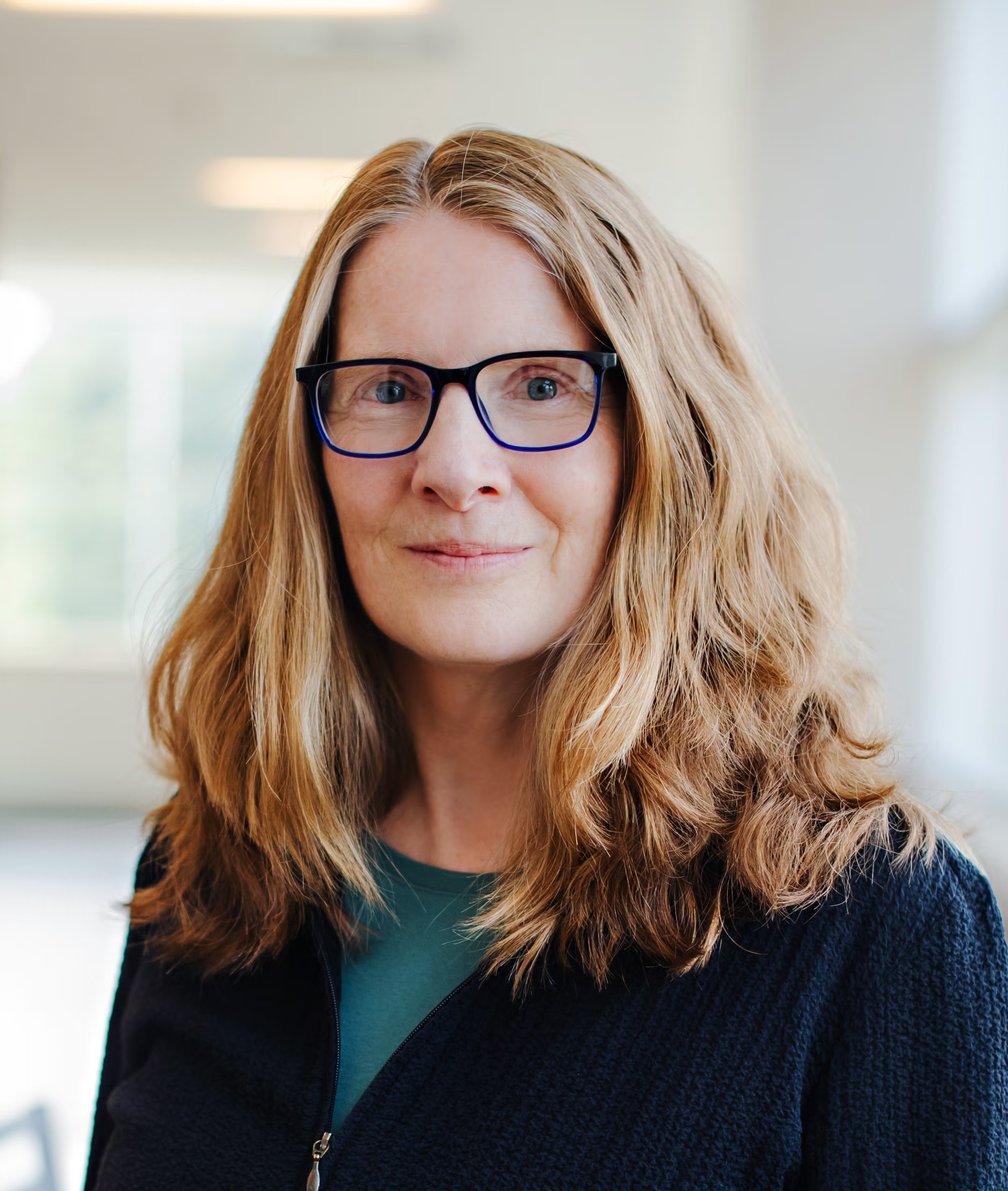
Dr. Jennifer Clapp receives the 2026 AAG Honorary Geographer Award for her transformative work at the intersection of global economy, food systems, and food security. This recognition specifically honors research that demonstrates excellence in addressing geographic topics with proven policy impact at the highest international levels. Dr. Clapp's career exemplifies what geographers call "praxis": the integration of theoretical research with practical application that changes real-world outcomes.
Dr. Clapp served on the Steering Committee of the High-Level Panel of Experts on Food Security and Nutrition (HLPE-FSN) of the United Nations Committee on World Food Security from 2019 to 2023, including as vice chair from 2021 to 2023. This role placed her at the center of international policy discussions about sustainable food systems and food security, translating geographical research into recommendations that influence national governments and international organizations. Her current membership on the International Panel of Experts on Sustainable Food Systems (IPES-Food) continues this policy engagement.
Her research examines how global economic structures shape food production, distribution, and access. By analyzing the spatial dimensions of food systems, from agricultural production regions to trade networks to consumption patterns, Dr. Clapp reveals how geography determines who eats and who goes hungry. Her work addresses one of humanity's most pressing challenges: feeding a growing global population sustainably while reducing environmental impacts. The Honorary Geographer recognition acknowledges both the scholarly quality of her research and its demonstrated impact on international food security policy.
3. Dr. Peter Kedron
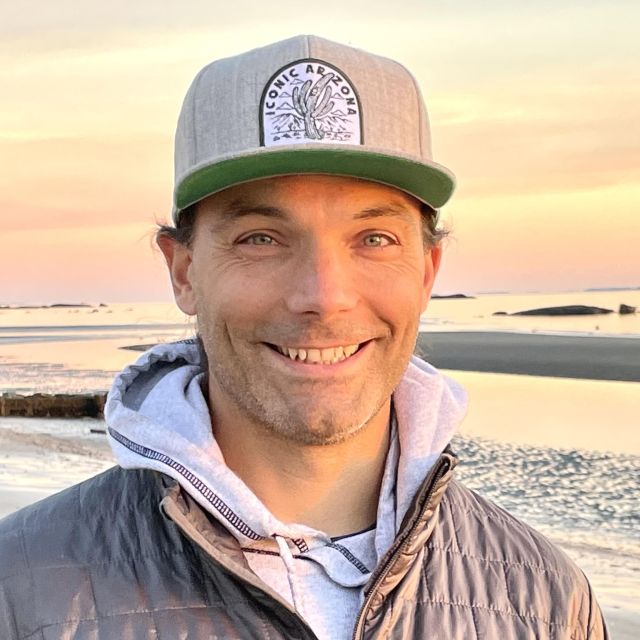
Dr. Peter Kedron, a faculty member at University of California Santa Barbara, earns recognition among the 2026 AAG awards for exceptional contributions to methodological advancement and scientific transparency in geography. His work in spatial data science and economic geography advances fundamental understanding of how spatial processes operate and how we can study them more rigorously. Dr. Kedron's research integrates spatial econometrics, geographic information science, and various forms of geospatial analytics to examine innovation diffusion, technology adoption, and policy evolution across space and time.
Dr. Kedron has become a leading voice in the discipline's growing emphasis on replication and reproducibility. His pioneering studies examine whether geographic research findings can be replicated when other researchers apply the same methods to the same data, and whether findings remain robust when applied to new contexts. This work addresses a critical challenge across all sciences: ensuring that published findings represent genuine discoveries rather than statistical artifacts or methodological quirks. By systematically testing reproducibility in geographic research, Dr. Kedron has elevated standards for scientific transparency and open scholarship.
His methodological rigor extends to his substantive research in economic geography, where he examines how ideas, technologies, and policies spread through geographic space. This work has theoretical implications for understanding innovation systems and practical applications for policymakers seeking to encourage technology adoption or policy diffusion. Dr. Kedron's dual contributions to methodological advancement and substantive understanding of spatial processes position him as a leader in contemporary quantitative geography.
4. Professor Dariusz Wójcik
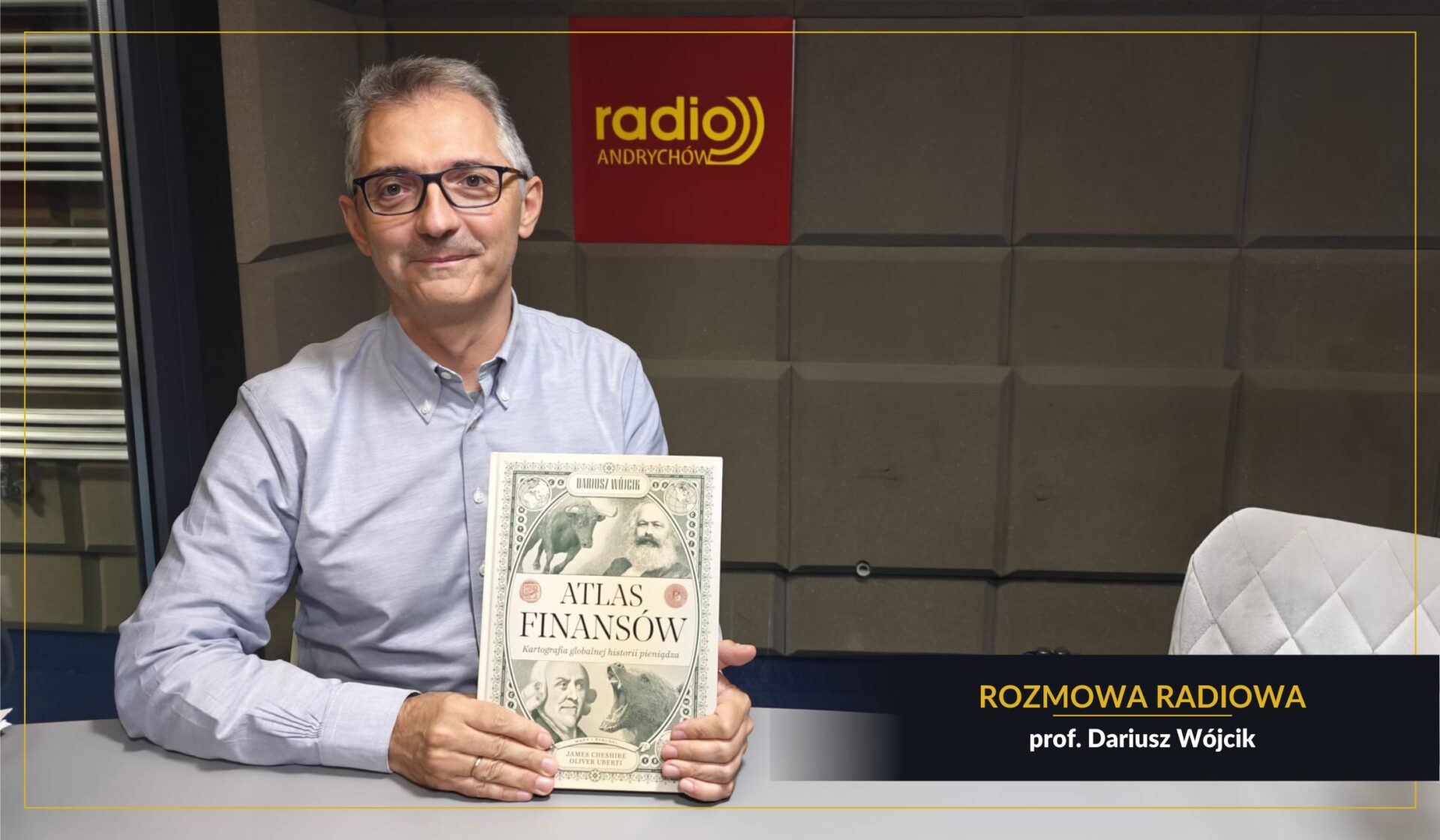
Professor Dariusz Wójcik receives the prestigious 2026 Murchison Award from the Royal Geographical Society for his body of publications on the economic geographies of money and finance, which have forged an entirely new branch of geographical science. The Murchison Award ranks among the Royal Geographical Society's most distinguished honors, recognizing excellence in geographical research with a history dating to the 19th century. Professor Wójcik's work fundamentally transformed how geographers understand the spatial dimensions of financial systems.
Before Professor Wójcik's contributions, financial geography existed primarily as a subfield within economic geography, focused on mapping the locations of banks and financial centers. His research program expanded this dramatically by examining how geography shapes financial flows, risk assessment, regulatory arbitrage, and the power dynamics of global finance. By analyzing why certain cities become financial centers while others don't, how financial crises spread through spatial networks, and how geography influences investment decisions, Professor Wójcik created theoretical frameworks that other researchers have adopted and extended.
His work carries implications beyond academic geography. Understanding the geography of finance matters for policymakers addressing financial regulation, economic development officials seeking to strengthen financial sectors, and citizens trying to comprehend how global financial systems affect local economies. The Murchison Award recognition acknowledges that Professor Wójcik didn't simply contribute to existing conversations but created entirely new research directions that will occupy geographers for decades.
5. Oliver Uberti
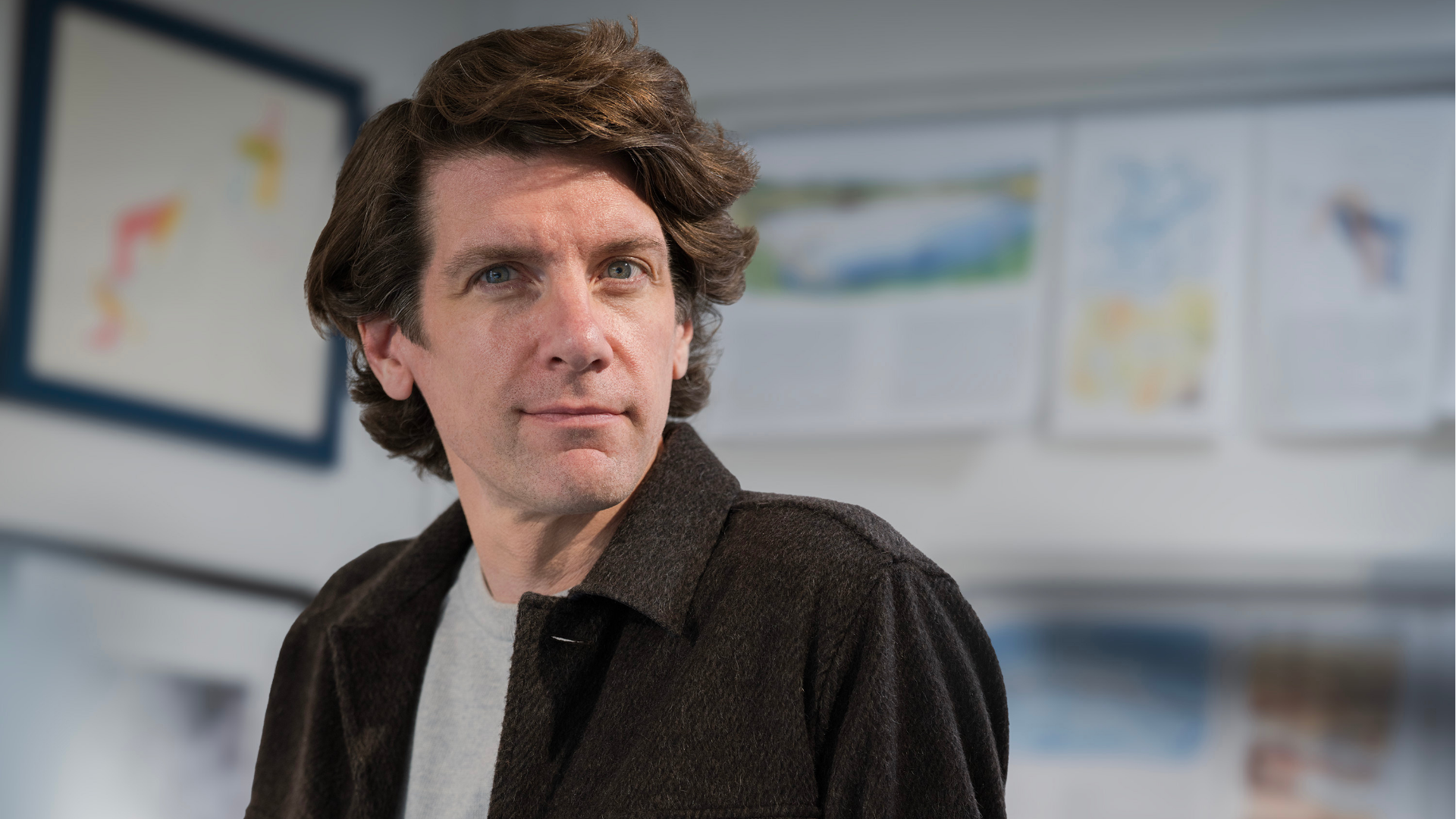
Oliver Uberti receives the 2026 Geographical Engagement Award from the Royal Geographical Society for creating maps and data visualizations that inform and inspire audiences to think about the world differently and, critically, to care about it. This award recognizes exceptional public communication of geography, acknowledging that geographical knowledge matters only if it reaches beyond academic circles to influence how people understand and engage with spatial issues.
Uberti's approach to cartographic design and data visualization bridges scientific rigor with aesthetic power. His maps don't simply display data accurately but make complex geographical concepts accessible and compelling to diverse audiences. By combining precise geographical information with thoughtful design choices about color, scale, composition, and narrative flow, Uberti creates visualizations that communicate geographical insights effectively while engaging viewers emotionally. This combination of accuracy and engagement sets new standards for geographical communication.
The Geographical Engagement Award reflects geography's recognition that research impact extends beyond peer-reviewed publications to include how geographical knowledge shapes public understanding and policy discussions. Uberti's work demonstrates that geographical information can be simultaneously scientifically sound and widely accessible. His innovative visualizations have appeared in major publications and reached millions of people, translating geographical research into forms that non-specialists can understand and use. This public engagement represents a distinct form of geographical excellence that complements but differs from traditional academic research.
6. Dr. Sarah Bell
Dr. Sarah Bell receives the 2026 Gill Memorial Award from the Royal Geographical Society for exceptional early career research with a remarkable track record of achievement. The Gill Memorial Award specifically recognizes outstanding contributions by researchers earlier in their careers, identifying scholars who have already made significant impacts and show promise for continued leadership. As one of only two recipients in 2026, Dr. Bell's recognition signals that her work has achieved a level of excellence typically associated with more established scholars.
The Gill Memorial Award indicates both research quality and methodological innovation. Recipients demonstrate substantive contributions to geographical understanding while often introducing new approaches or perspectives that advance how geography is practiced. Dr. Bell's early career productivity and impact suggest research that has resonated with other scholars and influenced emerging conversations in the discipline. Her recognition at this career stage positions her as part of the next generation of geographical leaders who will shape the field's future directions.
Early career awards like the Gill Memorial carry particular significance because they identify talent before it becomes obvious to everyone. Selection committees must evaluate not just current accomplishments but potential trajectories, recognizing researchers whose early work demonstrates qualities likely to generate sustained contributions. Dr. Bell's award indicates that leading geographers see her early career achievements as predictive of major future contributions to the discipline.
7. Dr. Jovan Scott Lewis
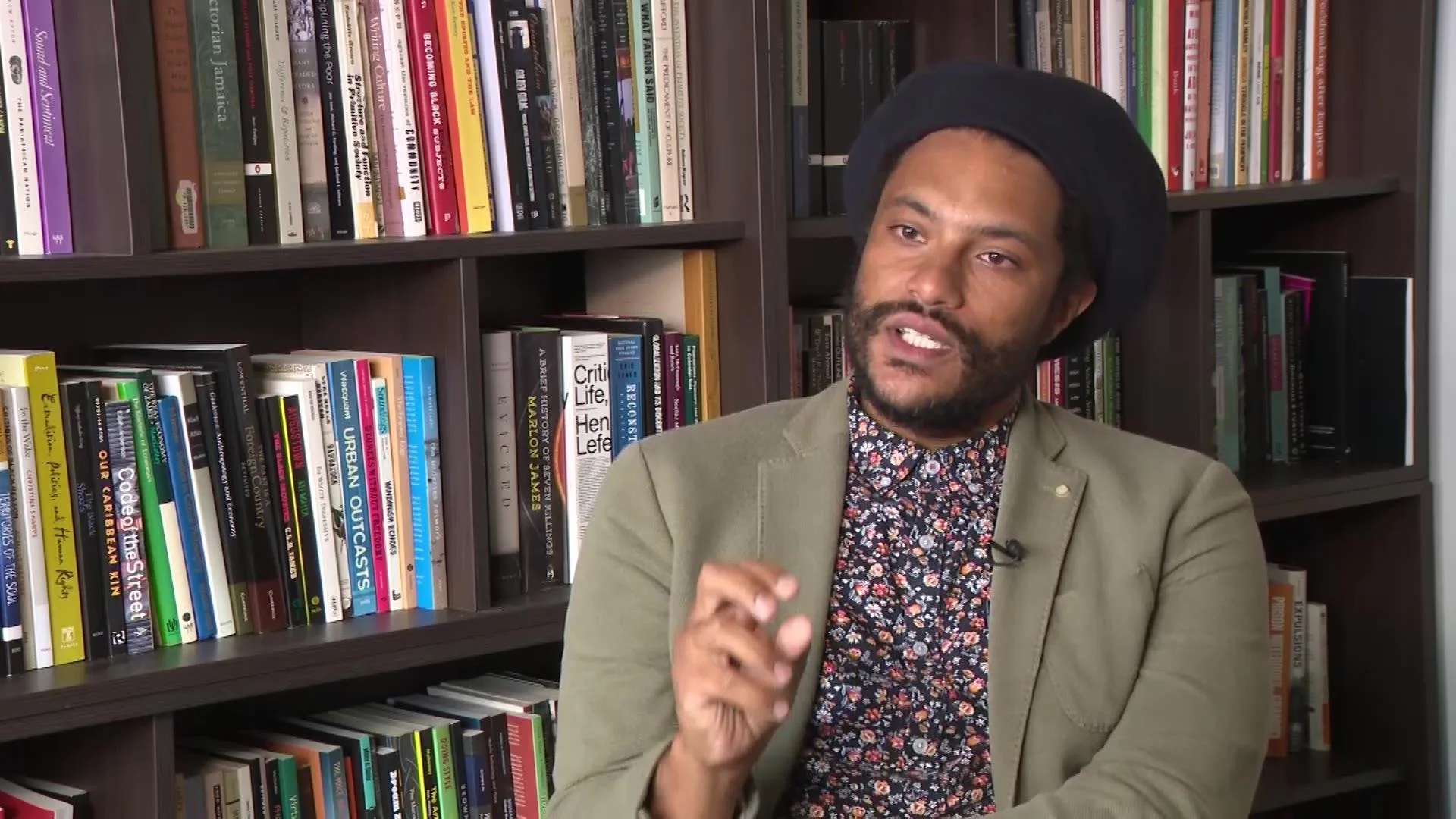
Dr. Jovan Scott Lewis receives the 2026 Gill Memorial Award from the Royal Geographical Society, sharing this prestigious early career recognition with Dr. Sarah Bell. The dual awarding of the Gill Memorial Award in 2026 reflects the exceptional quality of emerging geographical scholarship and the discipline's depth of talented early career researchers. Dr. Lewis has demonstrated extraordinary research productivity and impact despite being earlier in his academic career than more established scholars.
The Gill Memorial Award recognition suggests that Dr. Lewis has made groundbreaking contributions that have already influenced the discipline and established him as an emerging leader in geographical research. Early career awards require demonstrating not just competent research but work that advances theoretical understanding, introduces methodological innovations, or addresses significant problems in new ways. Dr. Lewis's recognition indicates that his research meets these elevated standards.
For early career researchers, major awards provide validation that extends beyond their immediate research networks and helps establish credibility with funding agencies, potential collaborators, and institutions making hiring or promotion decisions. Dr. Lewis's Gill Memorial Award positions him as a scholar whose work other geographers should follow closely. The recognition also signals his potential to become one of the discipline's major figures as his career progresses, contributing both substantive research and leadership that shapes geography's evolution.
8. Ana-Maria Pavalache
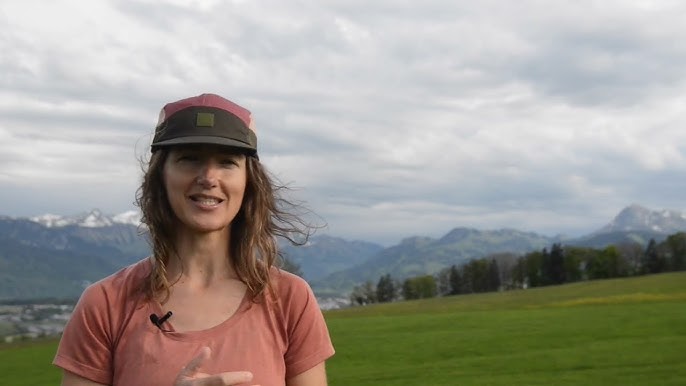
Ana-Maria Pavalache receives the 2026 Cherry Kearton Medal and Award from the Royal Geographical Society for her use of photography to enrich understanding of the natural world and explore the complexities of human experience. The Cherry Kearton Medal specifically recognizes excellence in using visual media to communicate geographical knowledge, honoring a tradition dating to early geographical exploration and documentation. Pavalache's work demonstrates how photography serves as both a research method and a means of communicating geographical insights.
Pavalache's innovative approach to visual geography bridges artistic expression and scientific documentation. Rather than viewing photography merely as illustration for written research, she treats visual media as a primary mode of geographical inquiry that can reveal spatial relationships, environmental conditions, and human experiences that text alone cannot capture. Her photographs don't simply depict landscapes or communities but analyze them, making arguments about human-environment relationships through compositional choices, framing decisions, and the juxtaposition of images.
The Cherry Kearton Award recognition acknowledges that geographical knowledge can be communicated through multiple media, each with distinct affordances. While written text excels at explaining causal mechanisms and presenting systematic arguments, photography can convey the experiential qualities of places, the visual evidence of environmental change, and the human dimensions of spatial processes. Pavalache's work expands the methodological toolkit available to geographers and demonstrates the continued relevance of visual documentation in an era of digital spatial data.
9. Dr. Lisa Wedding
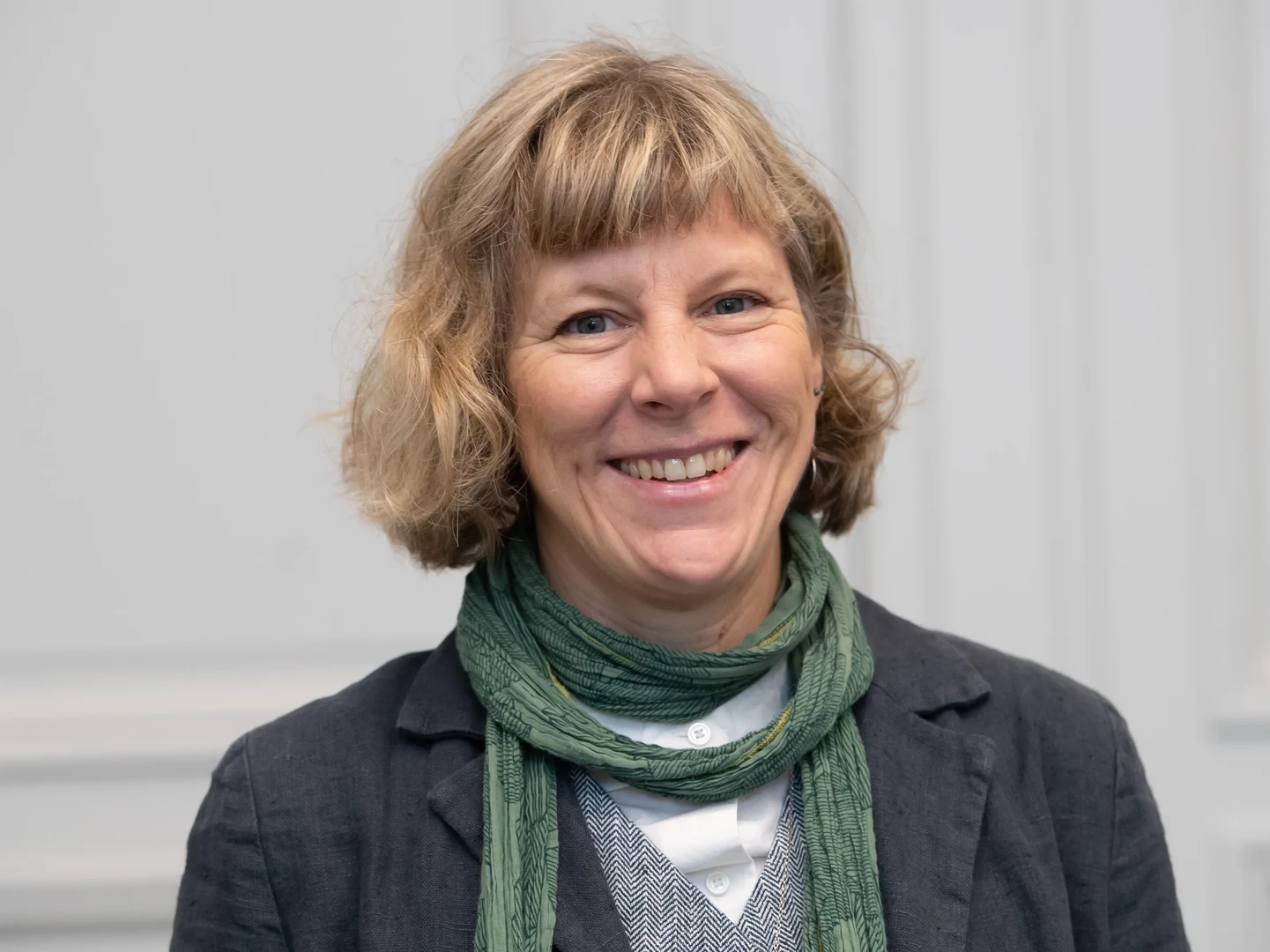
Dr. Lisa Wedding receives the 2026 Cuthbert Peek Award from the Royal Geographical Society for contributions to advancing contemporary methods in remote sensing of the environment, with novel applications for marine management. Her work combines cutting-edge remote sensing technologies with practical applications in marine conservation and resource management. The Cuthbert Peek Award recognizes research that bridges theoretical advancement and practical application, reflecting Dr. Wedding's success in translating geographical methods into actionable environmental policy.
Dr. Wedding's research demonstrates how geographical methods can directly address critical environmental challenges, particularly in understanding and protecting marine ecosystems. Remote sensing technologies allow researchers to monitor ocean conditions, track ecosystem changes, and assess human impacts across spatial scales impossible to cover through traditional field methods alone. By developing novel remote sensing applications specifically designed for marine environments, Dr. Wedding has created tools that conservation managers and policymakers use to make decisions about marine protected areas, fisheries management, and coastal zone planning.
Marine environments present unique challenges for remote sensing because water absorbs and scatters electromagnetic radiation differently than terrestrial surfaces, and many ecologically important features occur below the water surface where satellites cannot directly observe them. Dr. Wedding's methodological innovations address these challenges, expanding the range of marine conditions that can be monitored remotely. Her work exemplifies applied geography that solves real problems while advancing scientific understanding of spatial processes in understudied environments.
10. Jane Rumble OBE
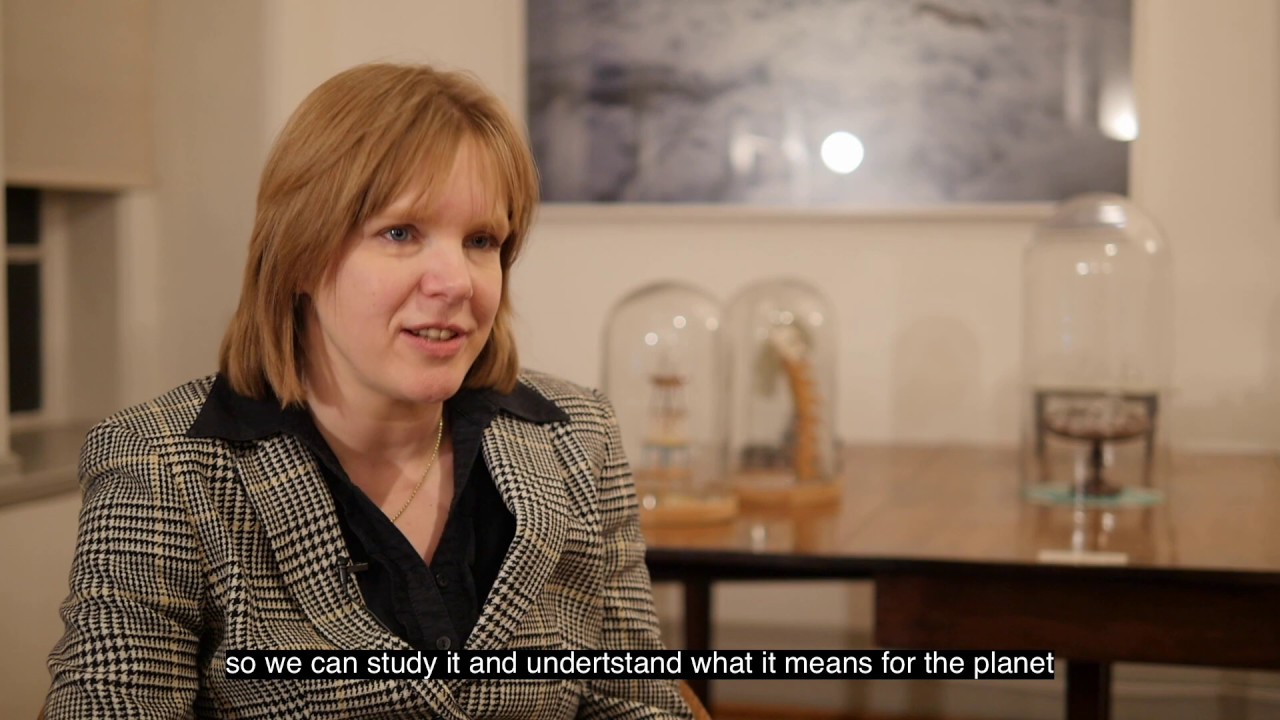
Jane Rumble OBE receives the 2026 Back Award from the Royal Geographical Society for outstanding commitment to shaping public policy in polar settings. The Back Award specifically recognizes work in polar and cold regions, areas of critical importance for understanding climate change and global environmental systems. Rumble's recognition with an OBE (Officer of the Order of the British Empire) indicates her contributions extend beyond academic research to significant public service and policy impact at the national level.
Polar regions occupy a unique position in global environmental systems. The Arctic and Antarctic function as early warning systems for climate change, with warming occurring faster at high latitudes than global averages. Sea ice loss, permafrost thaw, ice sheet stability, and ecosystem changes in polar regions have implications for sea level rise, ocean circulation, and global climate patterns. Understanding these changes and developing appropriate policy responses requires both scientific expertise and the ability to translate complex research into policy recommendations that governments can implement.
Rumble's work demonstrates how geographical expertise can inform critical international policy decisions about polar regions, which are experiencing rapid environmental change while facing increasing geopolitical importance as shipping routes open and resource extraction becomes feasible in previously inaccessible areas. The combination of the Back Award and OBE recognition indicates that her contributions span both geographical research excellence and effective policy engagement at the highest levels. Her career exemplifies geography's potential to influence how societies respond to environmental challenges and manage shared global resources.
The top geographers of 2026 represent the discipline's breadth and its growing influence on critical global challenges. From spatial analysis and GIScience to food security, financial geography, visual communication, and polar policy, these scholars demonstrate geography's capacity to address complex problems through rigorous research combined with effective communication and policy engagement. Their recognition by the AAG and Royal Geographical Society reflects peer acknowledgment of excellence across different forms of geographical contribution: lifetime achievement, mid-career impact, early career promise, methodological innovation, and public engagement.
Related Posts

Top 10 Richest Chefs in USA 2026: How They Built Culinary Empires
In recent years, the world of celebrity chefs has developed into a multi-billion dollar industry that combines culinary expertise with media savvy, entrepreneurialism, and the development of distinctive brands. In the year 2026, a number of the wealthiest chefs in the United States have not only established themselves as influential figures in the kitchen, but […] More

Top 10 Best Skaters in the World 2026: The Ultimate Showdown Awaits
As we move through 2026, a few skaters stand out for their extraordinary skills, creativity, and contributions to the sport. Here’s a look at the top 10 skaters in the world right now, each pushing the boundaries of skateboarding in their own unique way. Skateboarding has evolved into a highly dynamic sport, showcasing remarkable talent […] More

Top 10 Highest Paid Female Footballers In The World 2026: Salaries That Shocked the Industry
Top 10 Highest Paid Female Footballers In The World 2026 1. Sam Kerr One of the most notable players in women’s football is Sam Kerr, who hails from Australia and operates as a striker. Kerr has emerged as a significant personality in the sport as a result of her remarkable speed, her extraordinary ability to […] More

The Largest Oil Refineries In The World 2026: Essential Insights for Energy Stakeholders
As of the year 2026, the following is a list of the top ten largest refineries in the world, which are known for their enormous processing capacities and strategic significance. Refineries play an important part in the global energy sector because they convert crude oil into valuable products such as gasoline, diesel, and other petrochemicals. […] More
1 Comment
Join the discussion and share your thoughts