Top 10 Best Fitness Trackers In The World 2026

Table of Contents
The market for wearable health technology has never been more competitive. As we move through 2026, the line between a simple step counter and a sophisticated medical-grade monitoring device has all but disappeared. Choosing the best fitness tracker now means weighing factors like battery life, sensor accuracy, ecosystem integration, and form factor against your personal training goals. Our editors have analyzed the latest roundups, verified specifications against manufacturer claims, and tested these devices to compile a definitive ranking of the top 10 best fitness trackers in the world for 2026. Whether you are a marathon runner, a recovery-focused athlete, or someone simply looking to improve daily wellness, this list covers the devices that set the standard this year.
Our Selection Process
To build this ranking, we aggregated data from major 2025 and 2026 wearable technology reviews, verified official specifications from manufacturers, and cross-referenced user sentiment across fitness forums. Our criteria prioritized sensor accuracy for heart rate, GPS, and sleep tracking, battery life under real-world conditions, ecosystem compatibility (iOS and Android), and overall value. We also weighed durability and water resistance ratings, as well as the depth of analytics provided by companion apps. Devices were ranked on their ability to serve a broad audience, with higher scores going to trackers that balance professional-grade features with everyday usability. This list reflects the consensus of the global fitness tracking market as of mid-2026.
The Top 10 Best Fitness Trackers 2026:
1. Apple Watch Ultra 2
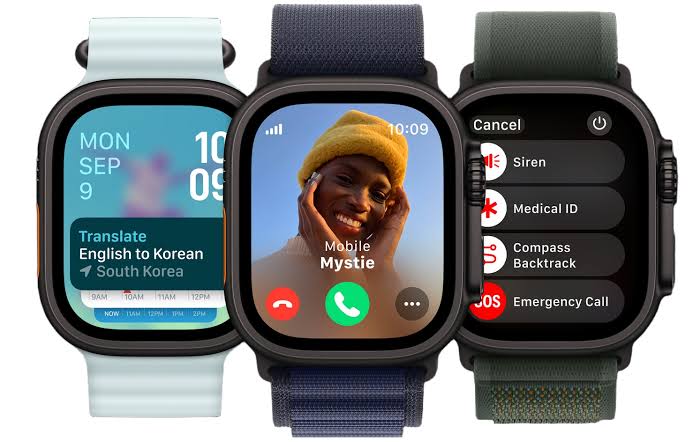
Apple Watch Ultra 2 remains the undisputed king of premium fitness wearables in 2026. Built around a 49 mm titanium case and a sapphire crystal display, it is designed to withstand extreme conditions. Its dual-frequency GPS provides remarkable accuracy for route tracking in dense urban areas or remote trails, and the 100-meter water resistance makes it suitable for open-water swimming and recreational scuba diving. Battery life extends to 36 hours under normal use, a significant leap over standard Apple Watches. The device captures continuous heart rate, VO₂ max estimates, ECG readings, blood oxygen levels, and advanced training load metrics that integrate seamlessly with Apple's Fitness and Health apps. For iPhone users who demand the most rugged and capable sports watch on the market, the Ultra 2 is the definitive choice. Major 2025 and 2026 smartwatch roundups consistently name it the best overall fitness and sports wearable, and for good reason: no other device combines this level of durability with such a polished ecosystem.
2. Garmin Vivoactive 6
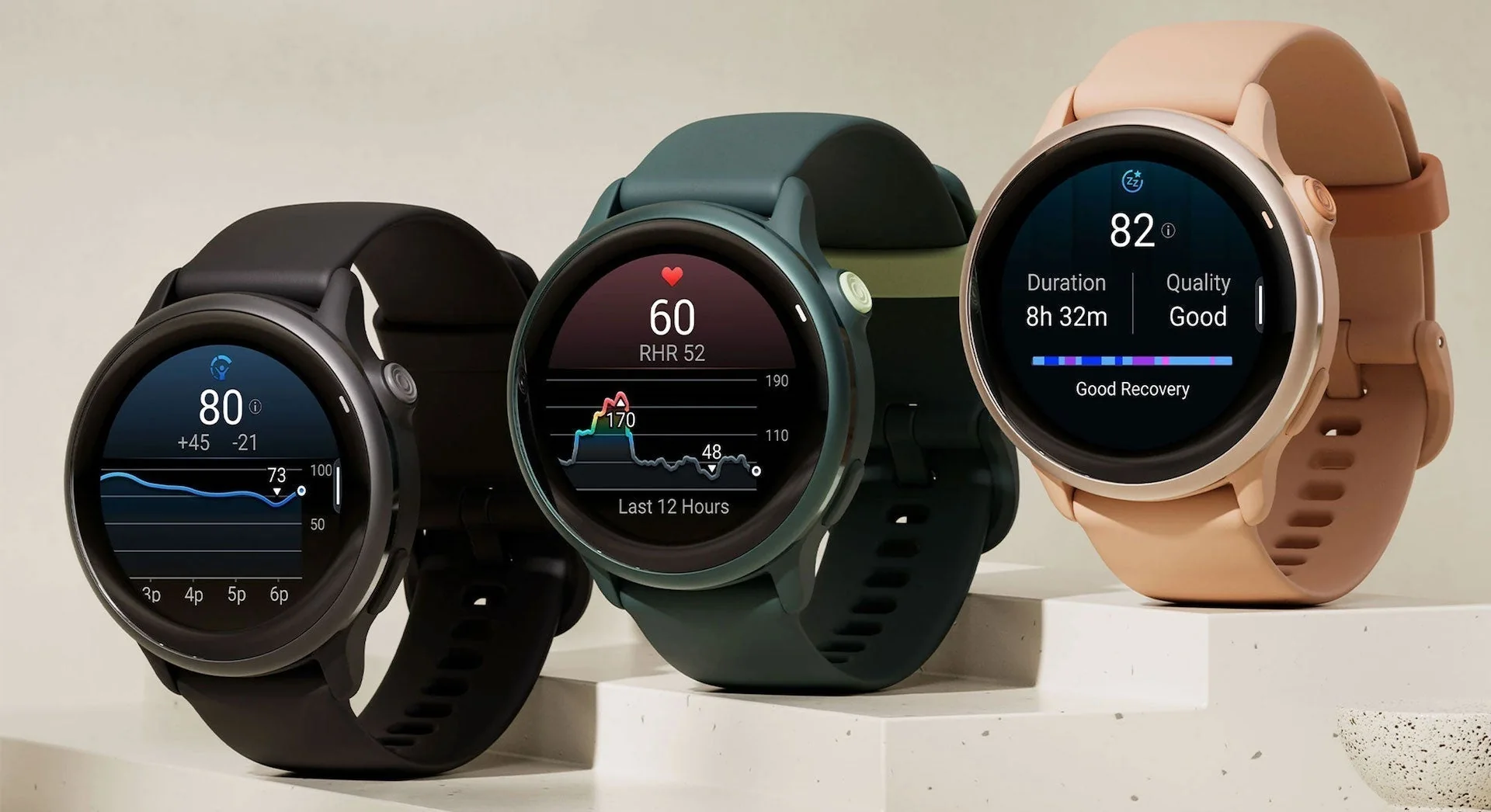
Garmin Vivoactive 6 has earned its place as the best fitness tracker for most people in 2026. With a launch price around USD $300, it delivers an impressive 11 days of smartwatch battery life and multiband GNSS support for accurate outdoor tracking. The bright touchscreen is responsive and easy to read in direct sunlight. Health metrics include heart rate, stress levels, Body Battery energy monitoring, sleep stages, VO₂ max, and structured training programs that adapt to your fitness level. Unlike Garmin's dedicated running watches, the Vivoactive 6 is more lifestyle-oriented, offering smart notifications, Garmin Pay, and music storage. It works equally well with both Android and iOS devices, making it a versatile option for households with mixed phone ecosystems. Multiple 2026 buyer's guides highlight it as the best all-round fitness tracker, balancing features, price, and battery life without overwhelming the user with complexity.
3. Huawei Watch Fit 5 Pro
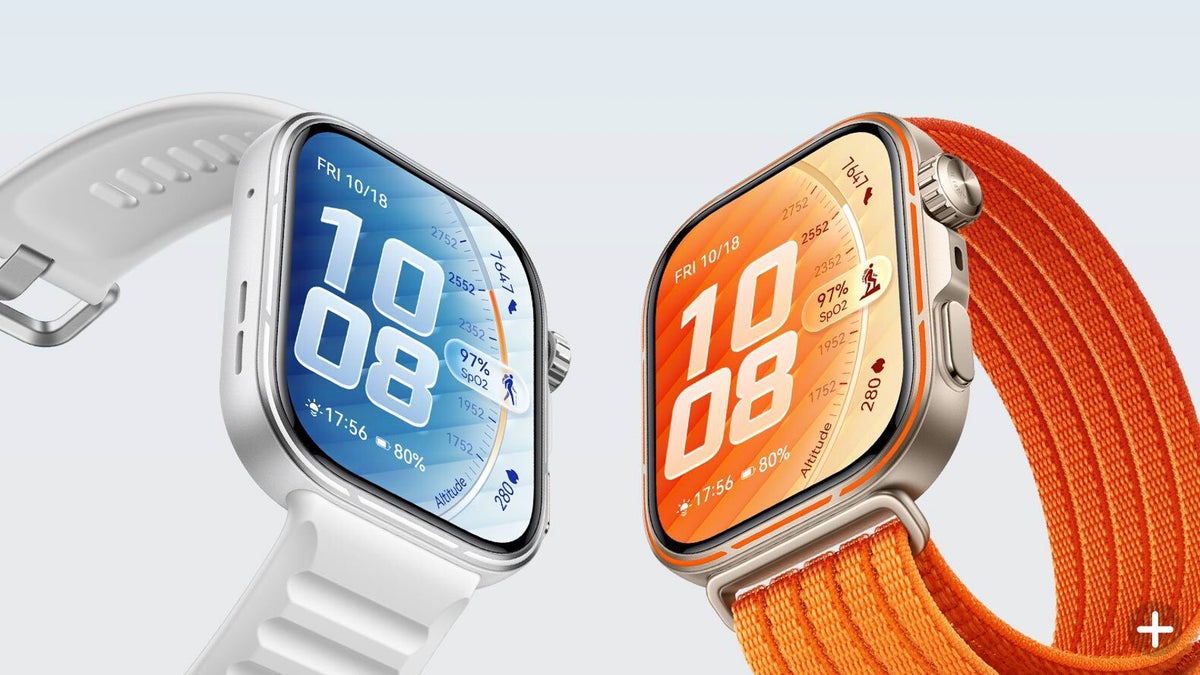
Huawei Watch Fit 5 Pro continues the company's tradition of delivering premium tracking features in a slim, rectangular form factor. The 1.64-inch AMOLED display is sharp and vibrant, and battery life often exceeds 10 days with typical use. Dual-band GPS improves outdoor route accuracy compared to earlier models, making it a reliable companion for runners and cyclists. Advanced sleep staging, SpO₂ monitoring, stress tracking, and guided workout animations round out the health suite. The Pro model uses higher-grade materials and more precise sensors than the standard Watch Fit, narrowing the gap with more expensive devices. Major 2026 reviews consistently describe it as one of the best-value fitness trackers globally, especially in markets where Huawei devices are widely available. For users seeking near-premium tracking at midrange pricing, the Watch Fit 5 Pro is a compelling choice.
4. Fitbit Charge 6
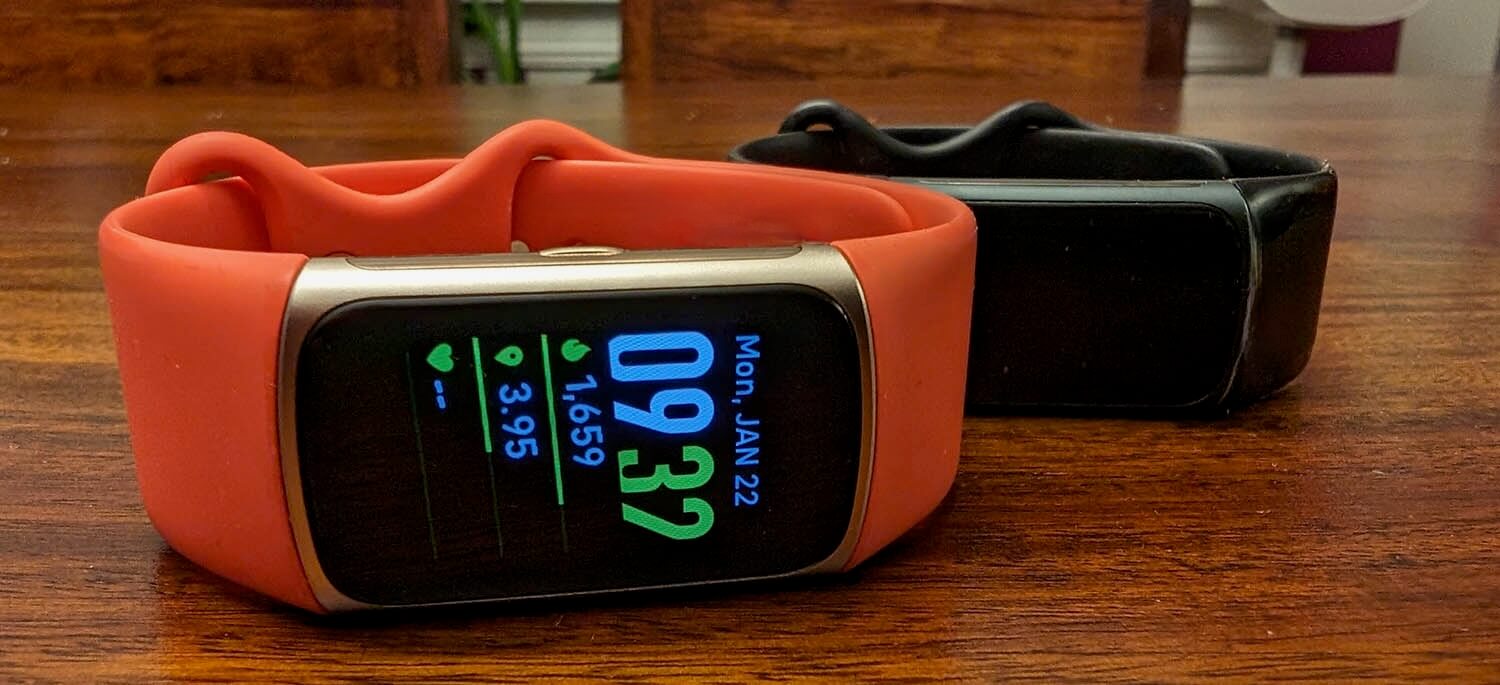
Fitbit Charge 6 remains the flagship fitness band for Google's wearable ecosystem. Launched in late 2023 and thoroughly tested through 2025 and 2026, it combines a color display with continuous heart rate monitoring, advanced sleep tracking, and built-in GPS in a compact band format. It supports more than 40 exercise modes and tracks VO₂ max through its Cardio Fitness Score. Tight integration with Google services, including YouTube Music controls and Google Maps navigation on compatible phones, adds convenience. The Fitbit app is known for its user-friendly interface and strong community features, with deeper insights available through Fitbit Premium. For users who want serious tracking without the bulk of a smartwatch, the Charge 6 is a top choice. However, it lacks some high-end training metrics and battery life compared to Garmin and Apple flagships, which keeps it at number four on our list.
5. Oura Ring (Gen 4/5 Series)
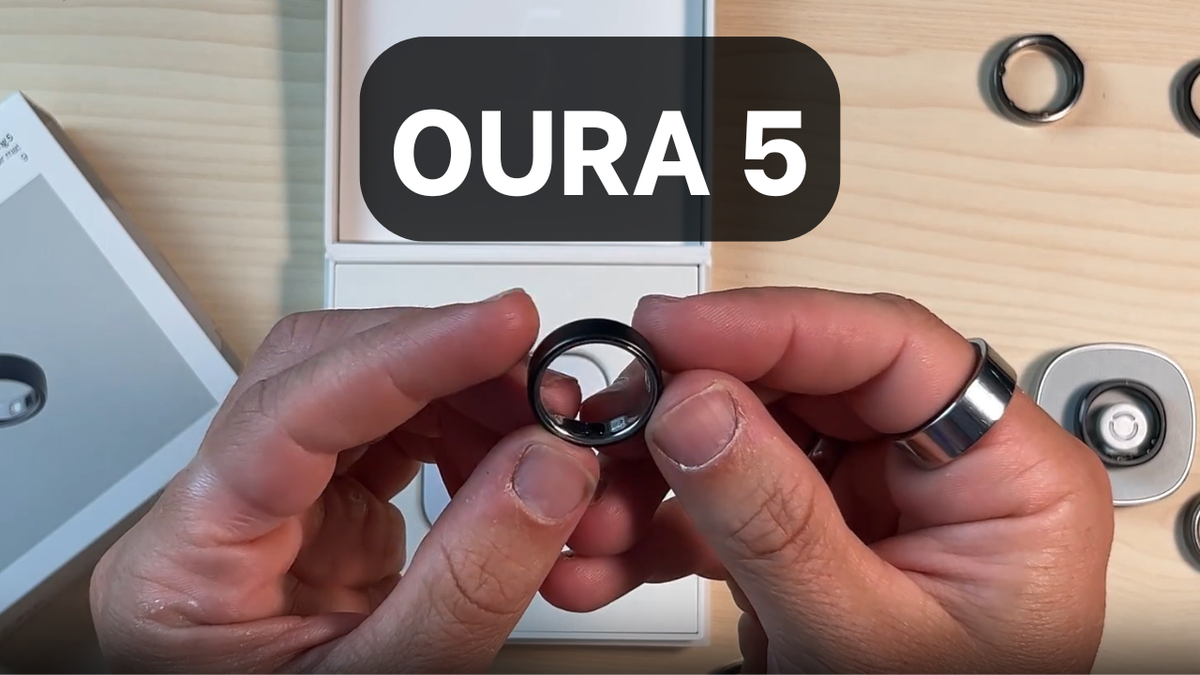
Oura Ring has carved out a unique niche as the best non-watch fitness tracker available in 2026. Weighing under 6 grams, the latest generation (often referred to as Gen 4 or Ring 5 in recent coverage) is worn discreetly on the finger. It specializes in detailed sleep analysis, heart rate variability, temperature trends, and readiness scoring. For users focused on recovery and holistic wellness rather than step counts and workout logging, the Oura Ring is the gold standard. Activity tracking is solid but less detailed than top sports watches, and unlocking advanced insights requires a subscription. Pricing typically ranges from USD $299 to $399 depending on the generation. Major 2025 and 2026 reviews repeatedly list it as the best device for sleep and recovery tracking, though its niche form factor and ongoing subscription cost put it behind all-round wrist wearables for general fitness use.
6. WHOOP 4.0 / WHOOP 5.0 Band
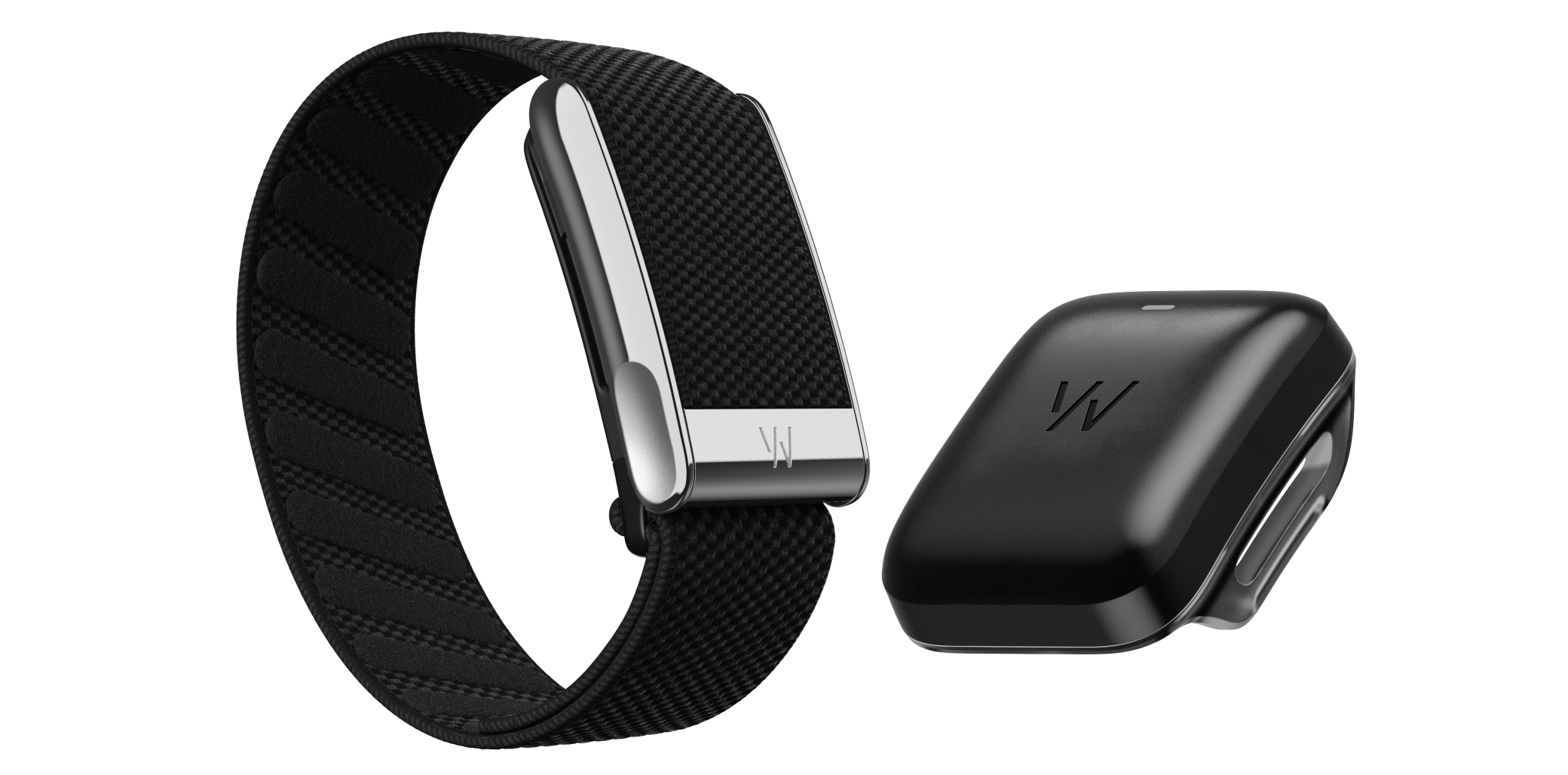
WHOOP takes a fundamentally different approach to fitness tracking. The latest band (4.0 or 5.0 depending on the release cycle) is screen-less and minimal, relying entirely on the companion app for data and insights. It continuously monitors heart rate, HRV, skin temperature, and sleep to produce daily "strain" and "recovery" scores. Professional athletes and serious trainees use these metrics to manage training load and avoid overtraining. The device is sold via a subscription model at roughly USD $30 per month. While the lack of a display and the recurring cost limit its appeal to casual users, expert comparisons often name WHOOP as the best data-driven training and recovery platform available. For those who prioritize performance optimization over smartwatch features, WHOOP remains unmatched.
7. Garmin Forerunner 265
Garmin Forerunner 265 is the mid-range running watch that serious runners and triathletes gravitate toward. It features a bright AMOLED display and up to 13 days of smartwatch battery life. Multiband GPS provides highly accurate tracking even in challenging environments. Advanced metrics include training readiness, HRV status, detailed run dynamics, and structured workouts that sync with Garmin Coach. It offers many of the high-end performance features found in Garmin's flagship Fenix and Epix lines at a more accessible price point. Running-focused reviews in 2025 and 2026 often list it as the best watch for runners, but its specialization means it ranks slightly lower on a general consumer list. If your primary goal is improving your running performance, the Forerunner 265 is the tracker to beat.
8. Fitbit Inspire 3
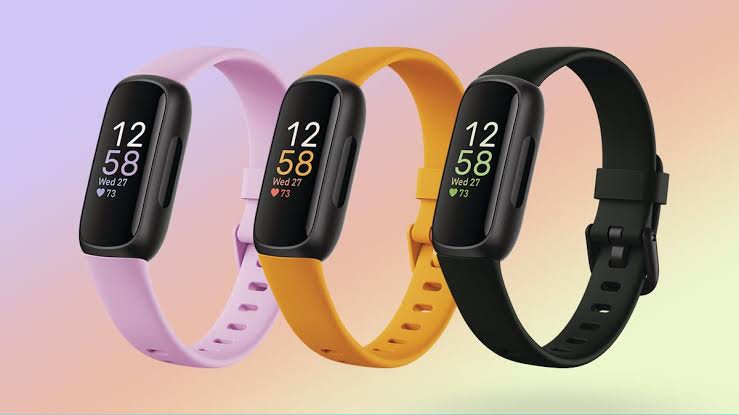
Fitbit Inspire 3 is the entry-level champion of the fitness tracker world. Weighing under 20 grams and often priced below USD $100, it offers up to 10 days of battery life. It tracks steps, heart rate, sleep stages, stress levels, and basic workouts. The same Fitbit app ecosystem that powers the more expensive Charge series is available here, including optional Premium insights for deeper analysis. Its small size and long battery life make it particularly attractive for first-time tracker users, teens, or anyone who prefers a minimalist device. While it lacks built-in GPS and its display is more limited than mid-range and high-end devices, 2025 and 2026 roundups regularly highlight it as one of the best budget fitness trackers available.
9. Fitbit Air (Screen-free Tracker)
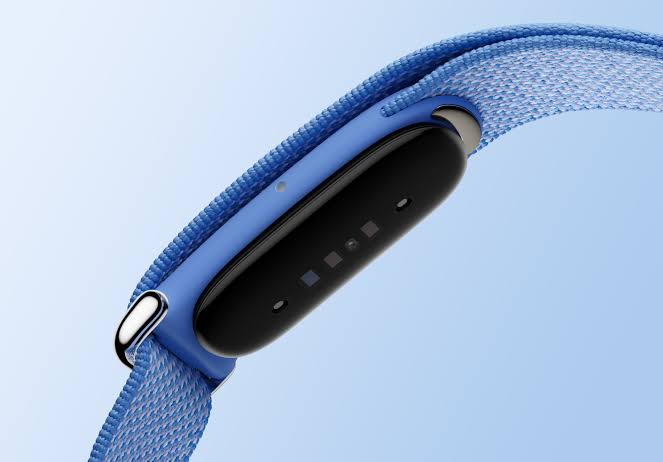
Fitbit Air represents a return to simplicity in a market dominated by bright screens. This screen-free tracker uses LEDs and the companion app to deliver feedback, focusing on core metrics like step count, heart rate, and sleep quality. Its unobtrusive design and extended battery life appeal to users who want tracking without distractions. It still integrates with the broader Fitbit stats and social features, providing a complete picture of daily activity. Authoritative 2026 reviews consider it a top pick among minimalist trackers. However, its limited interface and narrower appeal make it less universally useful than full-display bands and watches, landing it at number nine on our list.
10. Apple Watch Series 11
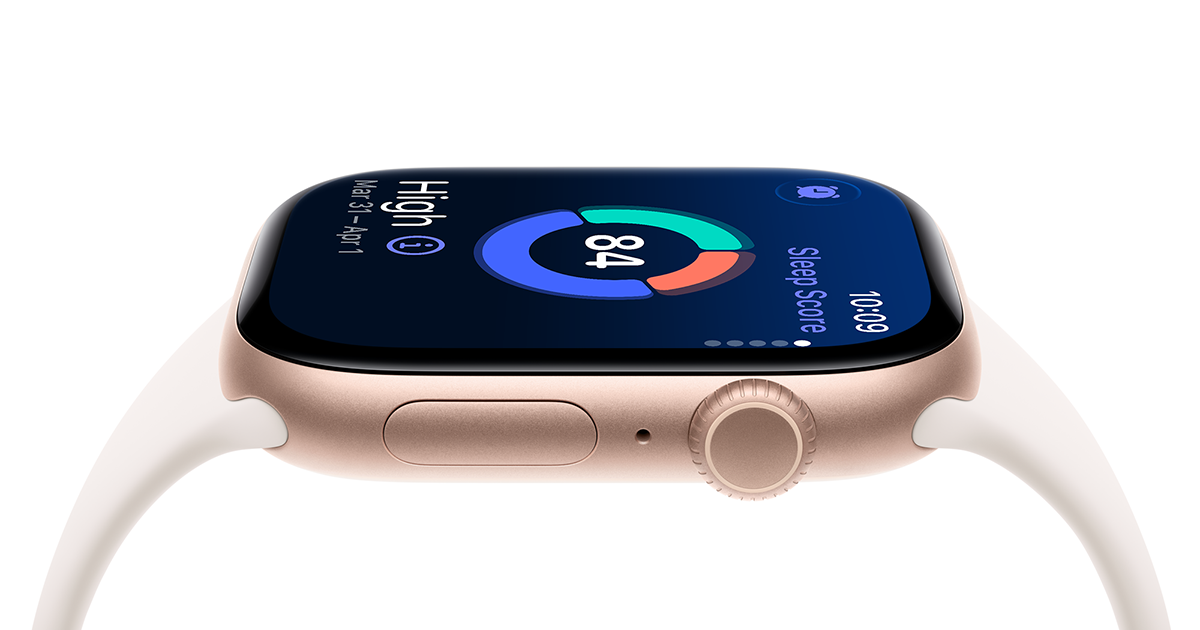
Apple Watch Series 11, the latest mainline Apple Watch as of 2025 and 2026 coverage, offers comprehensive fitness tracking in a more compact and affordable package than the Ultra line. It includes GPS, heart rate monitoring, fall detection, ECG, blood oxygen sensing, and improved cycling and running features. Integration with Apple Fitness+ and a vast library of third-party workout apps makes it a versatile tool for casual to intermediate exercisers. For iPhone users, it provides an excellent balance of health tracking, smart features, and style. While many sources describe it as one of the best everyday fitness wearables, its battery life of approximately 18 hours and less rugged design compared to the Ultra 2 and leading multi-day sports watches keep it at the lower end of this global top 10 list.
Related Posts




0 Comments
Join the discussion and share your thoughts
No Comments Yet
Be the first to share your thoughts on this article!