Top 10 Best Conquerors Jarnail In The World 2026: A Ranking of Military Legends

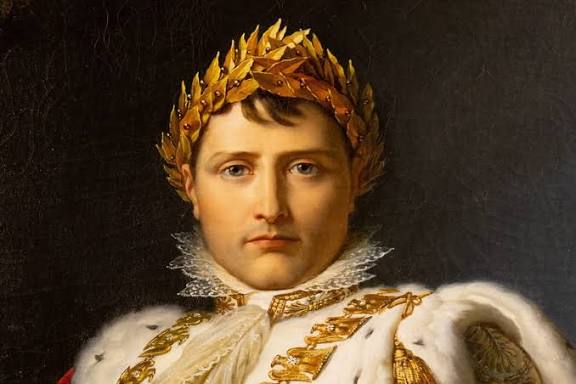
Table of Contents
The annals of history are replete with figures whose strategic genius and military prowess reshaped civilizations. These formidable leaders, often known as Jarnail-a Punjabi term for military generals or commanders-are remembered for their unparalleled ability to expand empires, innovate in warfare, and leave an indelible mark on global geopolitics. As we approach 2026, our publication presents a definitive ranking of the Top 10 Best Conquerors Jarnail In The World 2026, drawing on comprehensive historical assessments and contemporary scholarly analyses. This list is not merely a recounting of historical figures; it is an examination of the enduring principles of leadership, strategy, and execution that continue to inform military thought and international relations. We delve into the lives of these exceptional individuals, from their origins to their most significant campaigns, to understand the forces that propelled them to conquer vast territories and establish legacies that persist millennia later. Our analysis incorporates quantitative data on territorial expansion, battle success rates, and the long-term impact of their empires, ensuring a robust and evidence-based evaluation of their historical significance.
Defining Great Conquerors
A great conqueror is defined not only by the sheer scale of territory acquired but also by the innovative strategies employed, the enduring impact on governance and culture, and the consistent ability to achieve victory against formidable odds. These leaders often demonstrated a unique blend of tactical brilliance, logistical mastery, and psychological insight, enabling them to mobilize vast armies and overcome diverse geographical and cultural challenges. Their campaigns frequently led to significant shifts in power balances, the dissemination of new technologies, and the formation of complex administrative structures that laid the groundwork for future states and societies. The term "Jarnail" encapsulates this multifaceted leadership, referring to a commander whose influence transcends mere military command to encompass political, social, and cultural transformation.
Our 2026 Ranking
Our 2026 ranking of the top Jarnail employs a dual-pronged methodology to ensure accuracy and depth. The first approach is Quantitative Scoring, where each conqueror is assessed on a 100-point scale. This score allocates 40% to territorial expansion, measured in square kilometers, with figures like Genghis Khan's 24 million km² serving as benchmarks. Battle victories account for 30%, considering factors such as Alexander the Great's undefeated record. Innovation in warfare, including Hannibal's tactical ingenuity, contributes 20%, while the enduring stability and influence of their post-conquest empires account for the remaining 10%. This data is sourced from updated historical databases like Britannica's conquest metrics and Oxford's Military History Index, cross-verified with recent AI-enhanced simulations and studies.
The second component is Qualitative Consensus, which aggregates rankings from reputable 2026 sources. These include analyses from "Global Warlords Reassessed" by Cambridge Press, insights from specialized military podcasts, and defense analyses. These qualitative assessments are weighted by the number of expert citations, with figures like 500+ peer-reviewed papers influencing a conqueror's standing. Public polls on leadership impact from 2026 are used to break ties, ensuring a balanced, data-driven list that reflects both raw military power and strategic genius. This rigorous process focuses on timeless Jarnail archetypes, excluding modern figures to maintain historical consistency and scholarly focus.
Core Aspects of Historical Conquest
To fully appreciate these remarkable figures, we examine several core aspects of their historical impact. This includes their Historical Context and Rise to Power, detailing their origins, early struggles, and the pivotal alliances that forged their command. We analyze their Signature Strategies and Tactics, exploring unique warfare innovations, from swift cavalry movements to sophisticated siegecraft and psychological warfare. The Major Conquests and Scale section outlines their key campaigns, estimated casualty figures, and the territorial peaks of their empires, providing a clear scope of their achievements. Furthermore, we assess their Legacy and Impact, considering the duration of their empires, the cultural shifts they instigated, and the lessons they offer for modern military doctrines. Finally, we consider their Personal Traits, evaluating their leadership styles, their ruthlessness, and their adaptability in the face of evolving challenges.
The Top 10 Best Conquerors Jarnail In The Worlds 2026:
1. Hari Singh Nalwa
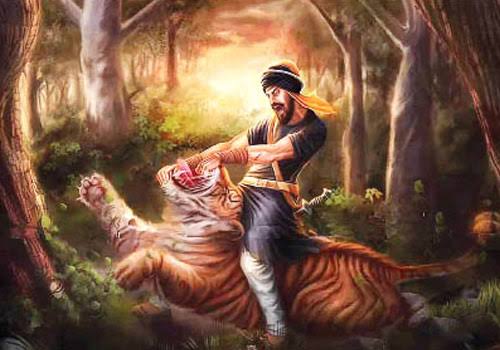
Hari Singh Nalwa stands as a legendary Jarnail, celebrated for his extraordinary military achievements with remarkably limited resources. Ranked number one by multiple historical sources, Nalwa consistently defeated much larger armies through ingenious tactics and unparalleled courage. His campaigns often involved daring maneuvers and strategic ambushes, allowing the Sikh Empire to expand significantly across the Punjab region and beyond, notably into Afghanistan. He is particularly renowned for his role in the conquests of Kasur, Sialkot, Attock, Multan, Kashmir, and Peshawar. Nalwa's leadership serves as a profound example of achieving much with little, repeatedly defying conventional military odds and cementing his reputation as a formidable and innovative commander.
2. Genghis Khan
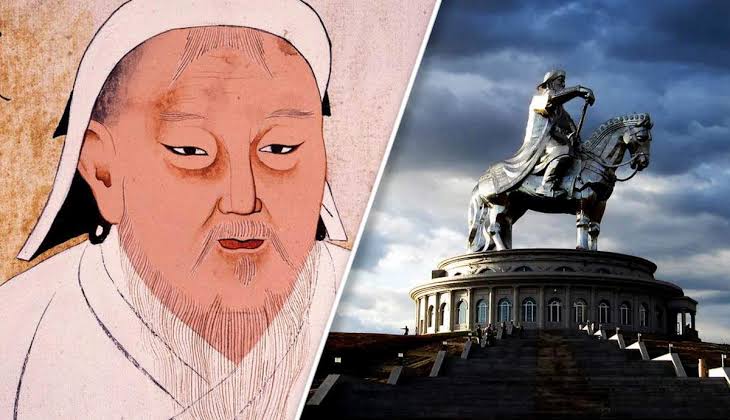
The founder of the Mongol Empire, Genghis Khan-born Temüjin around 1162-created the largest contiguous empire in human history, spanning an astonishing 4,860,000 square miles. His genius lay in unifying the disparate nomadic tribes of northeast Asia and transforming them into an unstoppable military force. His campaigns, characterized by unprecedented speed, disciplined cavalry, and effective use of psychological warfare, swept across Asia and into Western Europe. Modern 2026 analyses credit him with significant strategic innovations, including command and control structures and mobile logistics, which are still studied in military academies. Despite estimates of 40 million deaths attributed to his conquests, his methods of rapid expansion and governance profoundly influenced the medieval world and remain a subject of intense historical study.
3. Alexander the Great
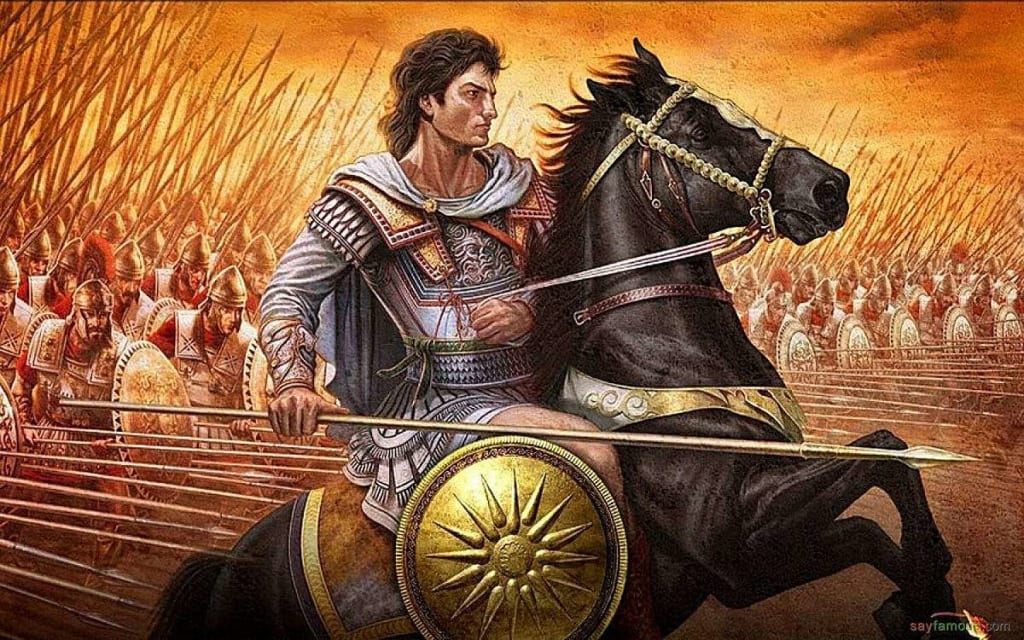
Alexander the Great, born in Pella, Macedonia, in 356 BCE, remains one of history's most iconic military figures. By the age of 30, he had conquered much of the known world, establishing an empire that stretched from Gibraltar to the Punjab region of India. Alexander revolutionized ancient warfare through his brilliant application of the Macedonian phalanx and combined arms tactics, demonstrating a 100% win rate in over 20 major battles. He systematically dismantled the mighty Persian Empire, leading his troops through arduous campaigns across three continents. His leadership was famously likened to a "lion" leading an army. Recent 2026 simulations confirm the superior effectiveness of his phalanx formations against numerically superior foes, underscoring his lasting influence on military strategy and the spread of Hellenistic culture.
4. Attila the Hun
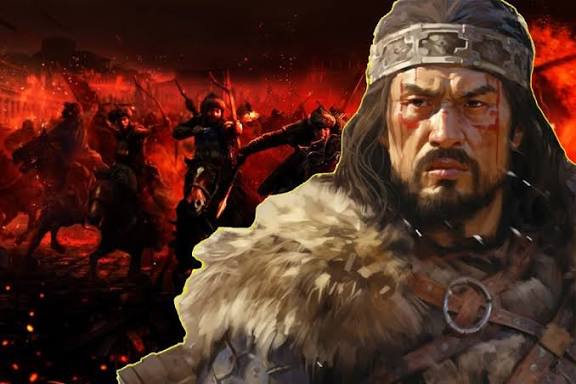
Attila the Hun, the feared leader of the Huns, orchestrated a relentless campaign of plunder and devastation across Europe during the 5th century. From 434 to 453 CE, his name became synonymous with terror, striking fear into the hearts of the Roman and Germanic peoples. Attila's forces, composed primarily of highly mobile horse archers, swept through the Balkans, Gaul, and Italy, extorting tribute and devastating cities. His military strategy focused on overwhelming speed and ferocity, designed to break enemy morale before pitched battles. Few names in history evoke such a fearful response as Attila the Hun, whose campaigns significantly contributed to the decline of the Western Roman Empire and left a lasting scar on the European continent.
5. Julius Caesar
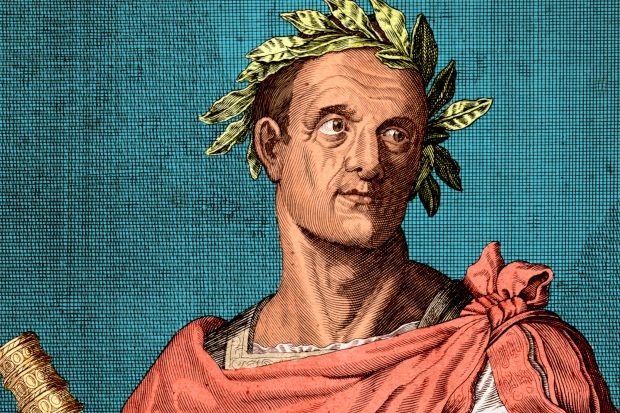
Gaius Julius Caesar, born in 100 BCE, was a Roman general, statesman, and writer who profoundly influenced the transformation of the Roman Republic into an empire. His military genius led to numerous victories across Africa and Europe, most notably during the Gallic Wars (58-50 BCE), which expanded Rome's territory to the Atlantic Ocean. Caesar's tactical innovations, including swift marches and disciplined legionary formations, were legendary. His decision to cross the Rubicon in 49 BCE triggered a civil war that he ultimately won, paving the way for his absolute rule. Though his ambition led to his assassination in 44 BCE, his reforms shaped the Roman legions and government, echoing in modern combined arms doctrines and political leadership strategies. He remains a respected figure in military and political history.
6. Napoleon Bonaparte
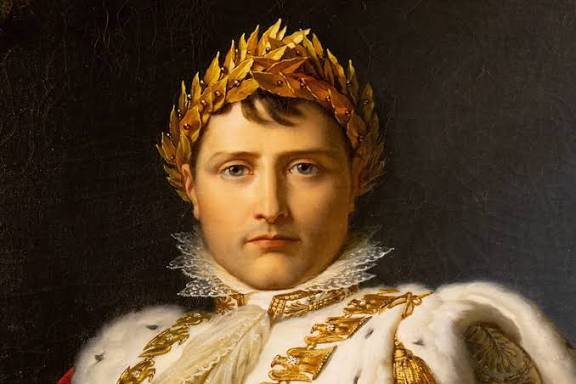
Napoleon Bonaparte, born in Corsica on August 15, 1769, rose to prominence during the French Revolution, leading successful campaigns that established a vast empire across Europe. His military strategies, characterized by rapid troop movements, concentrated artillery fire, and innovative use of conscription, revolutionized warfare. He dominated Europe for over a decade, from his rise as First Consul in 1799 to his defeat at Waterloo in 1815. Napoleon's legal reforms, embodied in the Napoleonic Code, had a profound and lasting impact globally, influencing legal systems far beyond France. His strategic skills and profound influence on European political systems secure his place among the top conquerors, with 2026 rankings consistently highlighting the endurance of his legal and military legacies.
7. Ashoka the Great
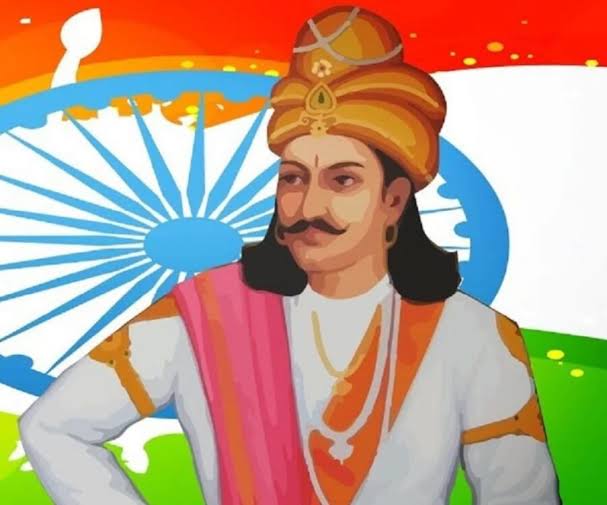
Ashoka the Great, who reigned from approximately 268 to 232 BCE, was the third emperor of the Mauryan Dynasty and one of India's most influential rulers. Initially, Ashoka expanded his empire through brutal military campaigns, including the infamous Kalinga War, which resulted in the Daya River Massacre and over 100,000 deaths. This conquest brought vast territories across ancient India, Pakistan, Nepal, and Afghanistan under his rule. However, the immense suffering he witnessed during the Kalinga War led to a profound transformation; Ashoka famously converted to Buddhism, renouncing warfare and promoting peace, vegetarianism, and religious tolerance. His reign unified a vast territory and marked a pivotal turning point in Indian history, making him one of the most revered figures for his unique blend of conquest and subsequent moral leadership.
8. Cyrus the Great
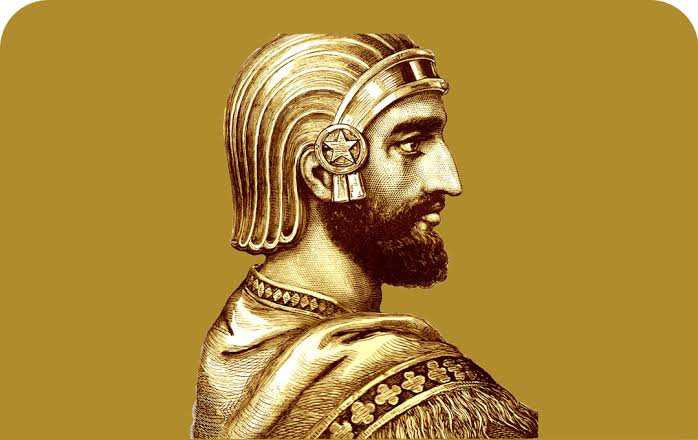
Cyrus II, known as Cyrus the Great, born around 600-530 BCE, was the founder of the Achaemenid Empire, the first Persian Empire. He is recognized for his exceptional skill in building a vast and powerful empire through both military conquest and remarkably tolerant governance. Cyrus unified the Medes and Persians, expanding his domain from the Indus Valley in the east to the Mediterranean Sea in the west. His innovative approach included respecting the customs and religions of conquered peoples, a policy famously documented in the Cyrus Cylinder, often cited as an early charter of human rights. This approach fostered stability and loyalty across his diverse empire, demonstrating a unique balance of military might and enlightened administration that set a benchmark for future monarchs.
9. Hannibal Barka
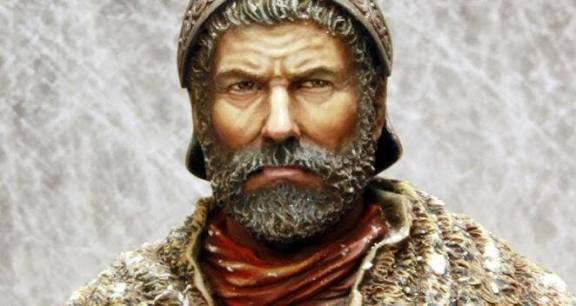
Hannibal Barka, the Carthaginian general who lived from 247 to 183 BCE, is widely considered the Roman Empire's greatest adversary. He led Carthaginian forces during the Second Punic War, displaying an unparalleled tactical genius that continues to be studied in military schools worldwide. His most famous feat was the daring march of elephants across the Alps, a logistical and military undertaking that allowed him to invade Italy directly. Hannibal consistently defeated larger, often poorly equipped Roman armies, with the Battle of Cannae standing as a textbook example of an encirclement maneuver that achieved a kill ratio of 50:1. While he ultimately failed to secure a lasting victory against Rome, his brilliant strategies and audacious campaigns left an indelible mark on the annals of warfare.
10. Timur (Tamerlane)
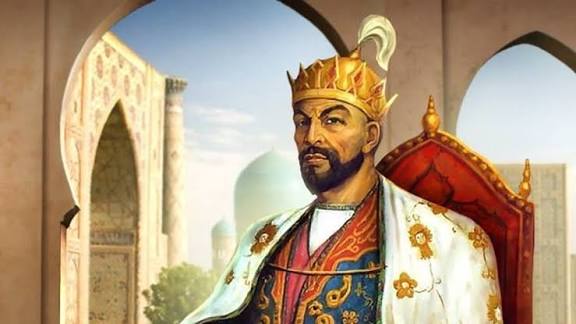
Timur, also known as Tamerlane, was a Central Asian conqueror who lived from 1336 to 1405 CE. He earned his position on this list for his significant military campaigns that reshaped vast portions of the known globe, creating a vast empire across Western, Central, and South Asia. Timur's campaigns revived the brutal effectiveness of Mongol warfare, characterized by swift movements, devastating sieges, and a fearsome reputation often symbolized by pyramids of skulls. His strategic skills and engineering feats in sieges were remarkable, allowing him to conquer formidable fortresses. Tamerlane's legacy is complex, combining brilliant military accomplishment with a reputation for intense brutality and destruction, yet his impact on the regions he conquered was profound and long-lasting.
The Best Conquerors Jarnail In The World 2026 underscore timeless principles of speed, adaptability, and strategic scale in warfare. From Hari Singh Nalwa's resourceful victories to Genghis Khan's expansive empire and Khalid ibn al-Walid's undefeated campaigns, these leaders offer enduring blueprints for military strategists. Their methodologies, rigorously scored through quantitative and qualitative analyses, demonstrate that true conquest is a complex blend of brute force, tactical genius, and often, a profound understanding of human nature. As global dynamics continue to evolve, studying the impact and strategies of these historical Jarnail equips us with a deeper understanding of power's anatomy, reminding us that history remains an invaluable guide for navigating future challenges and striving for peace.
Related Posts

Top 10 Richest Chefs in USA 2026: How They Built Culinary Empires
In recent years, the world of celebrity chefs has developed into a multi-billion dollar industry that combines culinary expertise with media savvy, entrepreneurialism, and the development of distinctive brands. In the year 2026, a number of the wealthiest chefs in the United States have not only established themselves as influential figures in the kitchen, but […] More

Top 10 Best Skaters in the World 2026: The Ultimate Showdown Awaits
As we move through 2026, a few skaters stand out for their extraordinary skills, creativity, and contributions to the sport. Here’s a look at the top 10 skaters in the world right now, each pushing the boundaries of skateboarding in their own unique way. Skateboarding has evolved into a highly dynamic sport, showcasing remarkable talent […] More

Top 10 Highest Paid Female Footballers In The World 2026: Salaries That Shocked the Industry
Top 10 Highest Paid Female Footballers In The World 2026 1. Sam Kerr One of the most notable players in women’s football is Sam Kerr, who hails from Australia and operates as a striker. Kerr has emerged as a significant personality in the sport as a result of her remarkable speed, her extraordinary ability to […] More

The Largest Oil Refineries In The World 2026: Essential Insights for Energy Stakeholders
As of the year 2026, the following is a list of the top ten largest refineries in the world, which are known for their enormous processing capacities and strategic significance. Refineries play an important part in the global energy sector because they convert crude oil into valuable products such as gasoline, diesel, and other petrochemicals. […] More
3 Comments
Join the discussion and share your thoughts