Top 10 Best Biotechnology Universities In The World 2026: Ranking The Future Innovators

Table of Contents
Biotechnology stands at the intersection of biology, chemistry, engineering, and data science, driving breakthroughs in medicine, agriculture, environmental sustainability, and industrial processes. As of 2026, the global biotechnology market continues its rapid expansion, with projections reaching $3.88 trillion by 2030 according to Grand View Research. This growth fuels demand for highly trained scientists, researchers, and innovators capable of tackling complex challenges from personalized medicine to climate-resilient crops.
Choosing the right university for biotechnology education matters. The institutions featured here offer more than coursework - they provide access to cutting-edge research facilities, renowned faculty pushing the boundaries of genetic engineering and synthetic biology, and robust industry partnerships that translate academic discoveries into real-world applications. These universities consistently rank at the top of global assessments for research output, citation impact, and graduate career outcomes in biotechnology fields.
Selection Framework
We evaluated universities based on a comprehensive assessment of multiple factors: global ranking positions from QS World University Rankings and Times Higher Education for 2026, research output measured by citation impact and publication volume in biotechnology journals, industry collaboration strength including partnerships with pharmaceutical and biotech companies, program diversity spanning undergraduate through doctoral levels, and infrastructure quality including laboratory facilities and computational resources. Geographic representation was considered to showcase excellence across continents, while student outcomes - including graduate employment rates and contributions to scientific literature - provided insight into real-world impact.
The Top 10 Best Biotechnology Universities In The World 2026:
1. Massachusetts Institute of Technology
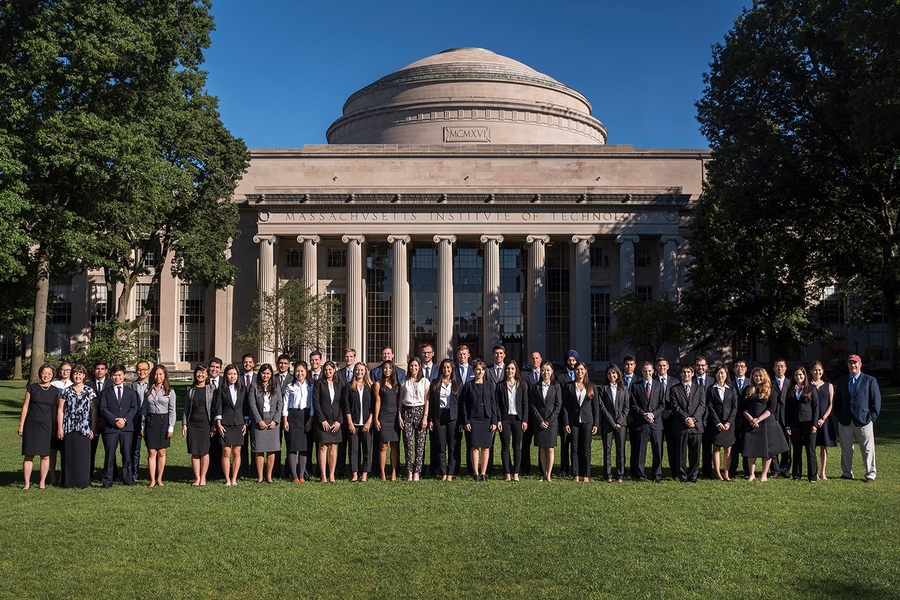
MIT claimed the global position for biotechnology studies and research in 2026, a recognition built on decades of scientific leadership. The Department of Biological Engineering pioneered the integration of engineering principles with molecular biology, creating a framework now adopted by institutions worldwide. MIT's approach treats biological systems as engineering challenges, applying computational modeling, device development, and systems-level thinking to problems ranging from cancer therapeutics to sustainable biomanufacturing.
The university's location in Cambridge, Massachusetts places it at the epicenter of the Boston biotech corridor - a region housing over 1,000 biotechnology companies and generating more than $80 billion in annual economic activity. This proximity translates to internship opportunities at firms like Moderna, Ginkgo Bioworks, and Takeda Pharmaceutical, often leading to full-time positions before graduation. MIT's Venture Mentoring Service has helped launch over 140 biotech startups since 2000, with notable examples including CRISPR Therapeutics and Ginkgo Bioworks valued in the billions.
2. Harvard University
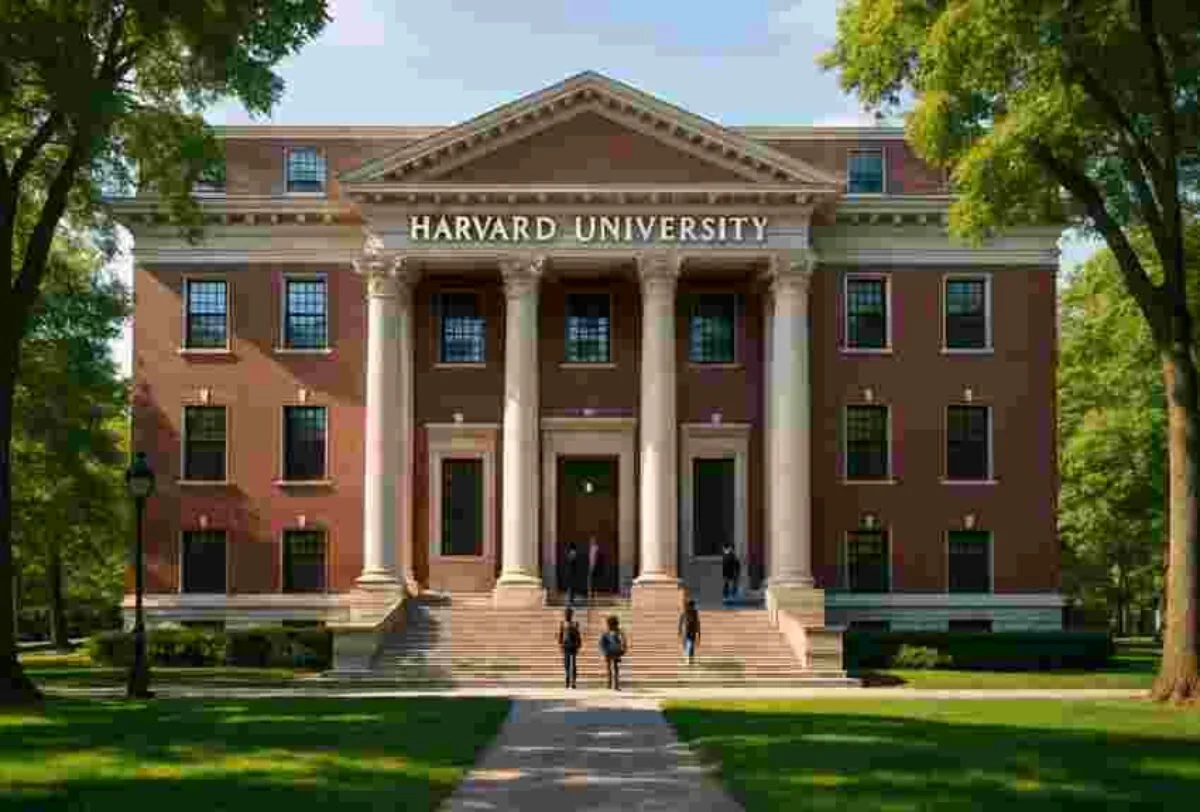
Harvard's 1 ranking for life sciences globally in 2026 reflects institutional strengths that extend far beyond its Department of Molecular and Cellular Biology. The university operates multiple research centers dedicated to biotechnology applications, including the Wyss Institute for Biologically Inspired Engineering, which has generated over 50 startups and secured more than $2 billion in follow-on funding since its 2009 founding.
Harvard's Master of Science in Biotechnology program, established in partnership with industry leaders, emphasizes practical skills alongside theoretical knowledge. The curriculum includes modules on regulatory affairs, quality control, and manufacturing processes - topics that bridge the gap between laboratory research and commercial production. Students gain hands-on experience with techniques like next-generation sequencing, protein purification, and cell culture in facilities that mirror industry standards.
3. Stanford University
Stanford's position as the university for biological sciences in the U.S. as of 2022 (maintained through 2026) stems partly from its location in Silicon Valley, where the venture capital ecosystem treats biotechnology as seriously as software. This geographic advantage manifests in programs like SPARK, a Stanford-affiliated initiative that has helped translate over 60 academic discoveries into clinical trials or commercial products since 2006.
One notable SPARK success involved developing an opioid analgesic with significantly reduced addiction potential and fewer side effects compared to traditional painkillers - research that progressed from laboratory discovery to clinical trials within five years. The university's collaboration with the Chan Zuckerberg Biohub represents another innovation model, bringing together Stanford researchers with colleagues from UC Berkeley and UC San Francisco to tackle fundamental questions in cell biology through shared resources and coordinated research agendas.
4. University of Cambridge
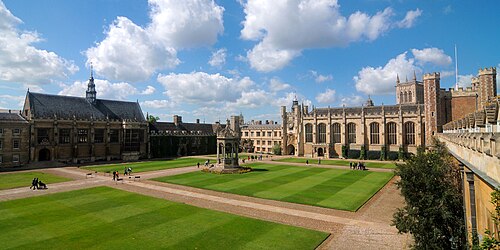
Cambridge's consistent presence among top global universities (QS World University Rankings 2026) reflects an institutional commitment to biological sciences dating back centuries. The university's School of Biological Sciences encompasses multiple departments conducting biotechnology-relevant research, from the Department of Genetics to the Department of Biochemistry, where Watson and Crick determined DNA's double helix structure in 1953.
Modern Cambridge biotechnology research spans genomics, immunology, and molecular medicine, with particular strength in structural biology - the study of how biomolecules' three-dimensional shapes determine their functions. The Cambridge Biomedical Campus brings together academic researchers, pharmaceutical companies, and healthcare providers on a single site, creating natural opportunities for collaboration. AstraZeneca's global research headquarters sits adjacent to university facilities, allowing joint research projects and student placements that would be logistically impossible at many institutions.
5. University of Oxford
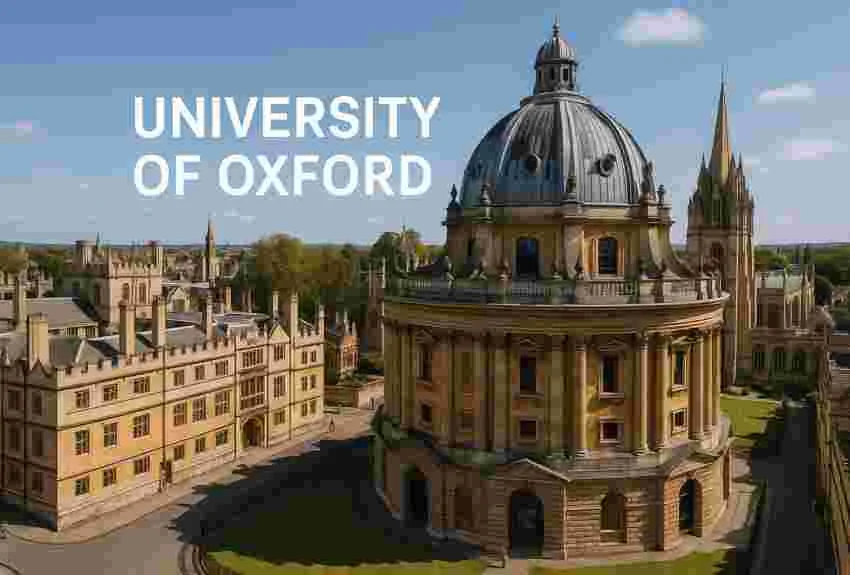
Oxford's position among top global universities (QS World University Rankings 2026) reflects strengths in biomedical and life sciences research that translate directly into biotechnology applications. The Department of Biochemistry alone employs over 300 researchers examining questions from fundamental protein chemistry to applied drug discovery. Oxford's work on COVID-19 vaccines, developed in partnership with AstraZeneca and deployed to billions of people worldwide, demonstrated how university research can move from laboratory to global implementation in record time.
The university's collaborative environment extends beyond Oxford's historic campus. The Oxford-Harwell Campus, located 15 miles south, houses specialized facilities for structural biology, including Diamond Light Source, the UK's national synchrotron facility used to determine the atomic structures of proteins and other biological molecules. This capability proved instrumental in understanding the coronavirus spike protein structure, which informed vaccine design.
6. ETH Zurich

ETH Zurich ranked 6 globally for biotechnology studies in 2026 while maintaining its position as Europe's top institution for scientific innovation in 2025. This Swiss Federal Institute of Technology has carved out particular expertise in synthetic biology - the engineering of biological systems to perform novel functions - and biomedical engineering, where biological understanding meets device development.
The university's Master of Science in Biotechnology program attracts students from over 50 countries, creating a genuinely international learning environment. Coursework emphasizes both theoretical foundations and practical applications, with students completing laboratory rotations in research groups working on challenges ranging from developing biosensors that detect environmental pollutants to engineering microorganisms that produce pharmaceuticals or industrial chemicals.
7. University of California, Berkeley

UC Berkeley's position in the top 5 global universities for biotechnology in 2026 benefits enormously from its location in the San Francisco Bay Area, a region rivaling Boston for biotechnology industry concentration. The Innovative Genomics Institute, co-led by Berkeley and UC San Francisco, focuses on developing CRISPR gene-editing applications for medicine and agriculture. Jennifer Doudna, who shared the 2020 Nobel Prize in Chemistry for CRISPR development, leads research teams at Berkeley, giving students direct access to scientists shaping the field's future.
Berkeley's bioengineering and molecular biology programs emphasize the connection between academic research and industry application more explicitly than many peer institutions. Students can pursue internships at nearby companies during the academic year, not just summers, allowing deeper integration into ongoing projects. The university's proximity to hundreds of biotech startups means students often see former professors or graduate student instructors leave academia to launch companies, normalizing entrepreneurship as a career path.
8. Imperial College London

Imperial College London's recognition as a top global biotechnology university in 2026 reflects its deliberate focus on science, engineering, medicine, and business - disciplines that intersect directly in biotechnology applications. The Department of Bioengineering, established in 2014, represents one of the UK's largest concentrations of bioengineering research, with over 200 researchers examining synthetic biology, biomedical imaging, and neurotechnology.
Imperial's approach emphasizes interdisciplinary collaboration as fundamental rather than optional. Research projects routinely combine expertise from multiple departments - a synthetic biology project might involve bioengineers designing genetic circuits, chemists synthesizing novel molecules, and computer scientists developing models to predict system behavior. This mirrors how biotechnology companies actually operate, where successful product development requires integrating diverse technical specialties.
9. National University of Singapore
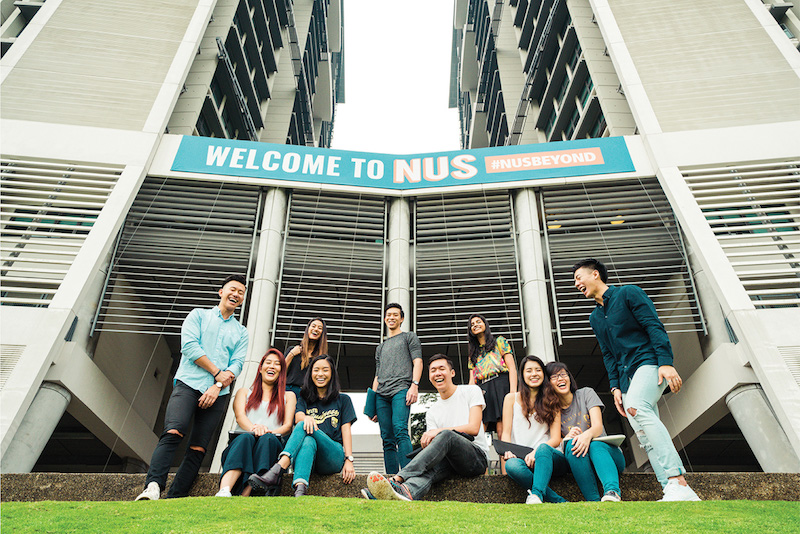
NUS emerged as Asia's biotechnology education leader by 2025, entering the Times Higher Education top 20 for life sciences in 2026 - the first Asian university to achieve this recognition. This rapid ascent reflects deliberate investment by Singapore's government, which identified biotechnology as a strategic priority and allocated substantial resources to university research infrastructure and industry development.
The government support manifests in multiple ways: competitive research grants that fund cutting-edge projects, tax incentives that attract pharmaceutical companies to establish operations in Singapore, and immigration policies that enable universities to recruit top faculty globally. NUS capitalizes on this ecosystem through partnerships with companies like GSK, Novartis, and regional biotechnology firms developing therapies for diseases particularly relevant to Asian populations.
10. Johns Hopkins University
Johns Hopkins University's 1 ranking as the best U.S. college for biotechnology in 2026 reflects the institution's deep roots in biomedical research. The university operates one of the world's premier medical schools and hospital systems, providing biotechnology students with direct exposure to clinical environments where their work will ultimately be applied. This connection between laboratory research and patient care shapes how programs are designed and what skills receive emphasis.
Johns Hopkins master's programs in biotechnology attract students with diverse backgrounds - some come directly from undergraduate studies, while others arrive after years working in pharmaceutical companies or research institutes. This mix creates classroom dynamics where theoretical discussions connect immediately to practical implementation challenges. Curricula cover technical skills like protein purification and genetic analysis alongside regulatory affairs, quality assurance, and project management - the full range of competencies needed in biotechnology industry roles.
The university receives over $3 billion annually in research funding, much directed toward biomedical and biotechnology projects. This financial support enables laboratories to pursue high-risk, high-reward research that might not attract industry funding but could yield breakthrough discoveries. Johns Hopkins Bloomberg School of Public Health, the world's largest, creates opportunities for biotechnology students interested in how discoveries get translated into population-level health interventions. The university's location in Baltimore, with lower costs than Boston or San Francisco, makes it more accessible financially while still providing connections to the biotechnology industry concentrated in nearby Maryland and Washington, D.C. suburbs.
Related Posts

Top 10 Richest Chefs in USA 2026: How They Built Culinary Empires
In recent years, the world of celebrity chefs has developed into a multi-billion dollar industry that combines culinary expertise with media savvy, entrepreneurialism, and the development of distinctive brands. In the year 2026, a number of the wealthiest chefs in the United States have not only established themselves as influential figures in the kitchen, but […] More

Top 10 Best Skaters in the World 2026: The Ultimate Showdown Awaits
As we move through 2026, a few skaters stand out for their extraordinary skills, creativity, and contributions to the sport. Here’s a look at the top 10 skaters in the world right now, each pushing the boundaries of skateboarding in their own unique way. Skateboarding has evolved into a highly dynamic sport, showcasing remarkable talent […] More

Top 10 Highest Paid Female Footballers In The World 2026: Salaries That Shocked the Industry
Top 10 Highest Paid Female Footballers In The World 2026 1. Sam Kerr One of the most notable players in women’s football is Sam Kerr, who hails from Australia and operates as a striker. Kerr has emerged as a significant personality in the sport as a result of her remarkable speed, her extraordinary ability to […] More

The Largest Oil Refineries In The World 2026: Essential Insights for Energy Stakeholders
As of the year 2026, the following is a list of the top ten largest refineries in the world, which are known for their enormous processing capacities and strategic significance. Refineries play an important part in the global energy sector because they convert crude oil into valuable products such as gasoline, diesel, and other petrochemicals. […] More
2 Comments
Join the discussion and share your thoughts