Top 10 Biggest Film Industries In Africa 2026

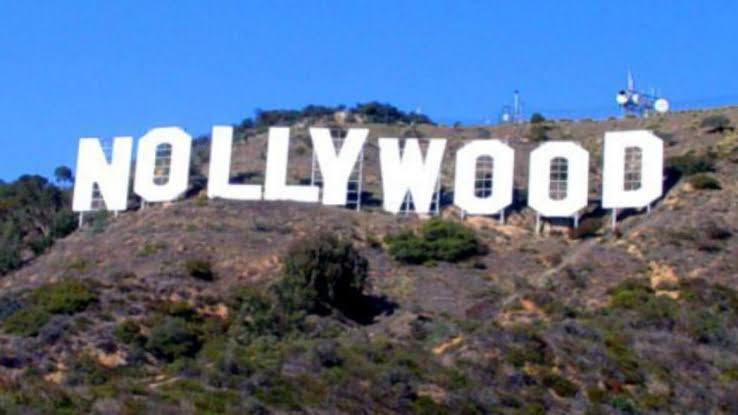
Table of Contents
Forget what you think you know about global cinema. While Hollywood and Bollywood grab headlines, there's a quiet revolution happening, and it's all across Africa. The continent's film industries aren't just growing, they're exploding. We're talking about a vibrant, energetic scene driven by incredible storytelling, digital innovation, and a hunger to show the world what Africa truly is. It's a gold rush for narratives, and everyone wants a piece.
Here at Nubia Magazine, we've been watching this space closely, tracking the shifts, the rising stars, and the undeniable economic power these industries now wield. For 2026, the numbers are in, and they paint a picture of an industry collectively nearing 5,000 films produced annually, with projected revenues soaring past $3.5 billion. Think about that for a second. That's real money, real jobs, and real cultural impact. From the bustling streets of Lagos to the ancient studios of Cairo, African cinema is defining itself on its own terms, and the world is finally paying attention.
This isn't just about box office numbers-though we've got plenty of those. It's about cultural identity, about giving voice to millions, and about an artistic movement that simply can't be ignored. We've dug deep, crunched the numbers, and talked to the people making it happen. So, grab a seat. This is Nubia Magazine's definitive take on the top 10 biggest film industries in Africa for 2026. You might be surprised by who's climbing the ranks.
The Top 10 Biggest Film Industries In Africa 2026:
1. Nigeria (Nollywood)
Honestly, is anyone surprised? Nollywood remains the undisputed heavyweight champion of African cinema, and it's not even close. Producing an estimated 2,700 films a year, it's second only to Bollywood globally in terms of sheer output. Historically, we've seen revenues over $600 million, but with streaming platforms finally recognizing its power, that's projected to hit a staggering $1.2 billion in 2026. This isn't just a number; it's a testament to an industry that understands its audience.
The industry's genius lies in its ability to tell relatable stories-family drama, romance, social issues-often on a shoestring budget, but with incredible heart. Films like the The Wedding Party franchise have absolutely smashed box office records, proving Nigerian audiences will show up in droves for their own stories. And it's not just local. Since Netflix started acquiring Nigerian content in 2016, Nollywood's reach has exploded, turning local stars like Genevieve Nnaji into pan-African icons. The biggest annoyance? The sheer volume can sometimes mean quality control takes a backseat, and piracy is still a monstrous problem, eating into potential revenue. But even with those hurdles, Nollywood's influence is undeniable, ranking fourth in Africa's soft power, and its growth, fueled by iROKOtv and other platforms, shows no signs of slowing down. It holds a solid 50% market share in African cinema attendance.
2. South Africa
South Africa isn't playing the same game as Nollywood, and that's precisely why it's so strong. This industry is known for its high-budget co-productions and top-tier visual effects. With around 450 films a year, it's a significant player, and its projected revenue of $650 million for 2026 shows its economic muscle, largely from exports to Europe and the US. Cape Town's studios are world-class, attracting international productions and creating a fantastic ecosystem for local talent.
South Africa actually leads Africa in soft power rankings, which makes sense when you consider its ability to produce globally recognized films. Think about the impact of something like District 9-that film put South African sci-fi on the map. The industry's growth in 2026 is tied directly to these studios and its thriving festival scene. My only real gripe? Sometimes, the focus on international co-productions can mean local, smaller stories struggle to find funding compared to their Nigerian counterparts. It can feel like they're making movies for everyone else, sometimes forgetting their own backyard. But they're making money, and that's hard to argue with.
3. Egypt

Egypt's film industry is a historical powerhouse, often called the "Bollywood of Africa" for its sheer volume and cultural impact across the Arab world. While its 350 Arabic-language films a year might seem modest compared to Nigeria, its influence is immense. Projected revenue for 2026 is around $550 million, largely driven by its massive domestic theater market-we're talking over 200 screens! That's a huge audience that consistently turns out for Egyptian films.
Egypt consistently tops African soft power charts, a legacy built on decades of iconic cinema. Stars like Mohamed Ramadan aren't just famous in Egypt; they're household names across the MENA region. The 2026 projections look even better with increasing investments from Gulf streaming services like Shahid, boosting youth viewership. My annoyance? Sometimes the storytelling can feel a little too traditional, a bit resistant to the edgier, experimental narratives emerging elsewhere. State censorship can also be a real buzzkill for truly bold ideas. But you can't deny its enduring legacy and massive audience pull.
4. Ghana (Ghallywood)
Ghana's Ghallywood is often seen as Nollywood's closest cousin, and for good reason. They share a lot of talent and often collaborate on productions, which helps both industries. Ghallywood puts out around 280 films a year, blending English and Yoruba storytelling, and we're projecting revenues of about $220 million for 2026. A lot of that comes from platforms like iROKOtv and YouTube, which have given Ghanaian films a huge diaspora audience.
Films like Ghana Must Go really highlight the industry's ability to connect with audiences, both at home and abroad. With more screenings at international festivals like PAFF and growth in local cinema chains, Ghallywood is definitely on an upward trend. What sometimes frustrates me is that it can feel a little overshadowed by Nollywood's sheer scale, leading to less independent identity in some productions. It's like being in the shadow of a giant. But the quality is there, and the stories are increasingly unique, with Twi-language rom-coms even going viral.
5. Morocco

Morocco is a bit of a dark horse on this list, not for its local output, but for its incredible success as an international filming location. With studios like Atlas, it hosts over 200 international shoots every year, bringing in an estimated $180 million in revenue for 2026 from co-productions. Remember seeing those incredible desert landscapes in movies like Mission Impossible? Yeah, that was probably Morocco. It consistently ranks high in soft power for Africa, often at number three, thanks to this global appeal.
The expansions planned for Ouarzazate, aimed at supporting more pan-African films, are exciting. The annoyance here is that while it's a huge economic player, the local Moroccan film industry can sometimes feel overshadowed by the Hollywood productions it hosts. It's a fantastic service industry for global cinema, but I'd love to see more Moroccan stories front and center, leveraging those incredible facilities for their own narratives instead of just being the backdrop.
6. Kenya (Riverwood)

Kenya's Riverwood churns out around 180 Swahili and English films annually, making it a significant force in East African storytelling. With projected revenues of $120 million for 2026, a good chunk of that comes from mobile streaming, particularly through platforms like Safaricom. This is an industry that truly understands its local audience and how they consume content. Riverwood excels at tackling social issues, from HIV/AIDS to poverty and corruption, often with limited resources but boundless imagination.
The industry's growing recognition, even with films like Supa Modo earning international praise, highlights Kenya's rising influence. We're seeing more Netflix originals coming out of Nairobi, and there's talk of a dedicated film city, which would be a massive boost. My annoyance? Sometimes the production values can feel a little unpolished compared to some of the bigger players, which can be a barrier to wider international distribution. They're making incredible stories, but the shine isn't always there. But the heart of the stories? Absolutely top-notch.
7. Tunisia

Tunisia's film industry might be smaller in scale, with about 150 films produced annually, but its cultural and artistic significance is immense. Projected to bring in $95 million in 2026, a lot of this revenue comes from international funding and its strong presence at prestigious festivals like Cannes. Tunisian cinema often tackles politically and socially relevant themes, particularly in the wake of the Arab Spring, giving it a powerful and often critical voice.
The industry's growth in 2026 is spurred by post-revolution subsidies and its strong ties to the diaspora, with films often showcased at events like PAFF. My biggest annoyance is that its focus on art house cinema, while critically acclaimed, sometimes limits its broader commercial appeal within Africa. It's fantastic for prestige, but it could reach more people with a slightly more varied approach to distribution. It feels like they're talking to critics more than the general public sometimes.
8. Algeria
Algeria's film industry produces around 130 French and Arabic language films a year, projecting revenues of $85 million for 2026. This industry often focuses on state-backed historical epics and dramas, reflecting its rich and sometimes turbulent past. It's a significant cultural force, especially within Francophone Africa, where its stories resonate deeply.
The rise of digital platforms is definitely helping Algerian cinema reach a wider audience in 2026. While its output might not match the sheer numbers of some other nations, the quality and historical depth of its productions are noteworthy. My frustration here is that sometimes the state backing can lead to a certain predictability in themes, and a lack of independent, dissenting voices. You know what you're getting, which is good, but also sometimes predictable. But for grand, sweeping narratives, Algeria often delivers.
9. Senegal (Wollywood)

Senegal's "Wollywood" is a smaller but incredibly influential industry, producing around 110 films annually and projected to hit $70 million in revenue for 2026. This isn't about volume; it's about artistry. Directors like Alain Gomis have brought Senegalese stories to global attention, often winning big at prestigious festivals like FESPACO. The industry's strength lies in its unique griot storytelling tradition, bringing rich cultural narratives to the screen.
In 2026, streaming deals are really starting to amplify these stories, making them accessible to a global audience hungry for authentic African voices. My one annoyance with Wollywood is that sometimes the focus on artistic merit can lead to a slower production pace, and it struggles to compete with the sheer commercial output of Nollywood. It's a quality over quantity thing, but sometimes you need a bit more quantity to really break through. But for quality, thoughtful cinema, it's consistently delivering.
10. Tanzania (Bongo Movies)
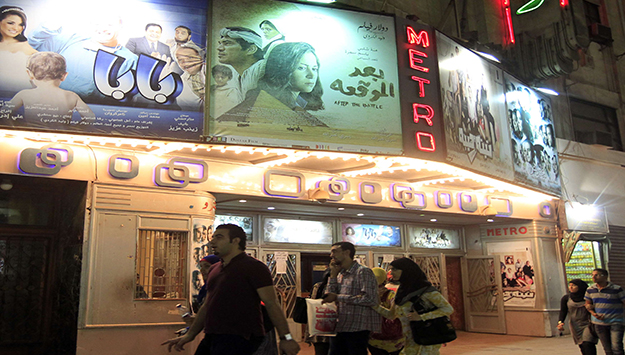
People walk past a poster of the movie "After the Battle" outside a cinema in Cairo October 16, 2012. When horse and camel riders attacked protesters in Cairo's Tahrir Square during last year's uprising, Egyptian filmmaker Yousry Nasrallah was struck by one of the most vivid examples of how Egypt's huge class divide is exploited by powerful elites. Nasrallah's "After the Battle" tells the story of how one of the horsemen struggles to come to terms with his role in the aftermath of one of the most violent incidents of the 18-day-uprising which toppled former President Hosni Mubarak in February 2011. Picture taken October 16, 2012. To match story EGYPT-FILM/UPRISING REUTERS Mohamed Abd El Ghany (EGYPT - Tags: ENTERTAINMENT CIVIL UNREST POLITICS)
Tanzania's Bongo Movies, or Swahiliwood, is steadily making a name for itself in East Africa. With around 95 films produced annually and projected revenues of $60 million for 2026, it's a solid contender. The industry focuses heavily on Swahili-language films that showcase Tanzanian culture and customs, finding a devoted following across East Africa through regional broadcasts.
Related Posts

Top 10 Greatest Packer Players in the World 2026: Surprising Picks & Legends
The Green Bay Packers, which are considered to be one of the most illustrious franchises in the history of the National Football League, have, throughout its existence, boasted a roster of remarkable talent. The history of the Packers is filled with players that have stood out for some reason, whether it be their iconic Super […] More

Top 10 Biggest Concert Stadiums In The World 2026
In 2026, the world of concert venues includes some of the biggest and most famous stadiums, known for hosting huge crowds and providing live music experiences that are unmatched. The following is a list of the ten largest concert stadiums in the world: List Of Top 10 Biggest Concert Stadiums In The World 2026 1. […] More

Top 10 Richest Chefs in USA 2026: How They Built Culinary Empires
In recent years, the world of celebrity chefs has developed into a multi-billion dollar industry that combines culinary expertise with media savvy, entrepreneurialism, and the development of distinctive brands. In the year 2026, a number of the wealthiest chefs in the United States have not only established themselves as influential figures in the kitchen, but […] More

Top 10 Best Skaters in the World 2026: The Ultimate Showdown Awaits
As we move through 2026, a few skaters stand out for their extraordinary skills, creativity, and contributions to the sport. Here’s a look at the top 10 skaters in the world right now, each pushing the boundaries of skateboarding in their own unique way. Skateboarding has evolved into a highly dynamic sport, showcasing remarkable talent […] More
1 Comment
Join the discussion and share your thoughts