Top 10 Biggest Beer Companies In The World 2026

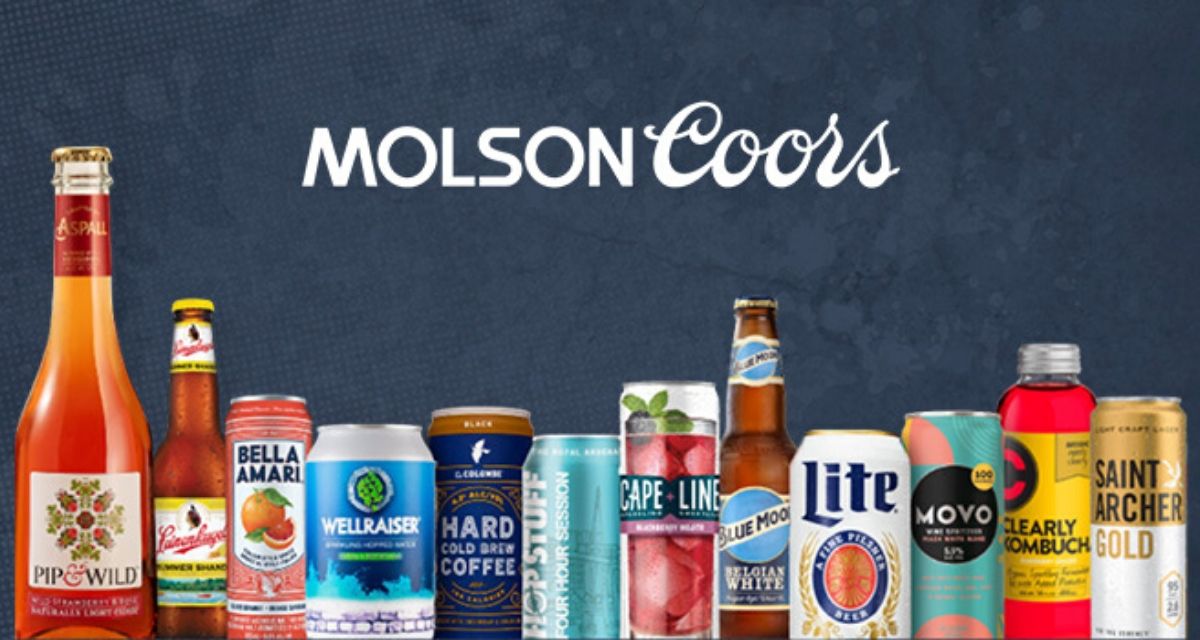
Table of Contents
Alright, let's talk beer. You know, the stuff that brings people together, fills stadiums, and occasionally makes you regret that third pint. The beer industry is a beast, constantly shifting, growing, and sometimes, frankly, tripping over itself. Here at , we've been keeping a close eye on the big players, the ones moving the most liquid and making the most noise. Forget what you thought you knew about your dad's favorite lager; the game has changed.
For 2026, it's not just about who brews the most, though volume certainly helps. It's about who owns the brands that people actually want to drink, who's got a foot in the door in new markets, and who's smart enough to see where things are headed. We're talking premiumization, low-alcohol options, and frankly, just good old-fashioned market muscle. These aren't just breweries; they're global empires built on hops, barley, and some seriously aggressive marketing. So, grab a cold one- maybe from one of these giants- and let's get into it.
How We Figured This Out: Our Methodology
Look, ranking the biggest beer companies isn't just about pulling numbers out of thin air. We wanted to give you a real picture, something you can trust. So, for this exclusive, we dug deep. We're talking about sifting through financial reports from late 2025 and early 2026, industry forecasts, and all sorts of market chatter. Our goal was to create a ranking that truly reflects who's dominating the global beer scene right now.
Here's how we broke it down:
- Overall Size (Weighted at 60%):This was our main driver. We looked at global revenue figures for 2025, where available. When we couldn't get exact numbers for a specific company, we made educated estimates based on their reported production volumes and known market share. Production volume was a big piece here too- how many hectoliters are they actually pushing out the door?
- Market Influence (Weighted at 30%):Beyond just making beer, how much sway does a company have? This meant looking at their market capitalization- basically, how much the company is worth on the stock market. We also considered their geographic reach, because having brands everywhere from Europe to Asia to the Americas really matters. And, of course, the strength of their brand portfolio. Do they own just one big name, or a whole stable of popular brews?
- Future Growth & Innovation (Weighted at 10%):The beer world isn't static. We considered who's adapting, who's experimenting with non-alcoholic options, and who's expanding into things like hard seltzers. We also looked at their stated growth targets and how well they're managing their costs. A company might be huge, but if they're not thinking ahead, they won't stay on top for long.
We cross-referenced data from a bunch of reliable sources- financial news outlets, industry analysis firms, and market research groups. If a company didn't have exact 2025 revenue figures publically available, we used their reported volumes and average market prices to create a solid estimate. We made sure to lean on the most recent data possible, because things change fast in this business. We're not just giving you a list; we're giving you the story behind the numbers, told with a bit of grit and a lot of caffeine.
The Top 10 Biggest Beer Companies In The World 2026:
1. Efes Beverage Group
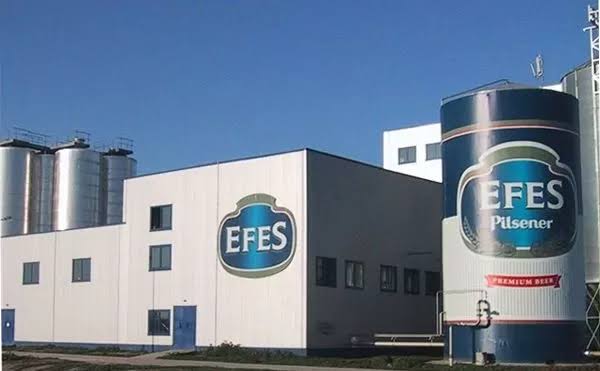
You might not see Efes Pilsen on every corner pub in the West, but don't sleep on these guys. Anadolu Efes, out of Istanbul, Turkey, has quietly built a beer empire that stretches across Eastern Europe, Central Asia, and the Middle East. Started in '69, they're now pushing an estimated 40 million hectoliters of beer a year. That's a lot of brews. Their flagship, Efes Pilsen, is a household name in Turkey- a crisp, refreshing lager that just hits different in the heat. They've been smart, snapping up local breweries and pouring money into new tech, especially in places like Russia and Kazakhstan where beer consumption is still strong. They're also dabbling in non-alcoholic stuff and malt products, which is a smart move given global health trends.
What makes them tick? It's their understanding of regional tastes and their sheer distribution power in markets that some of the bigger global players haven't quite cracked with the same local touch. They're focused on sustainability too, with eco-friendly packaging and water conservation efforts, which is a nice touch. But here's my beef: sometimes their expansion feels a little toofocused on volume. While that's great for the bottom line, it can sometimes mean their more niche, craft-style offerings don't get the same push, leaving some drinkers wanting more variety from such a massive player. Still, they're a force, no doubt about it.
2. Constellation Brands
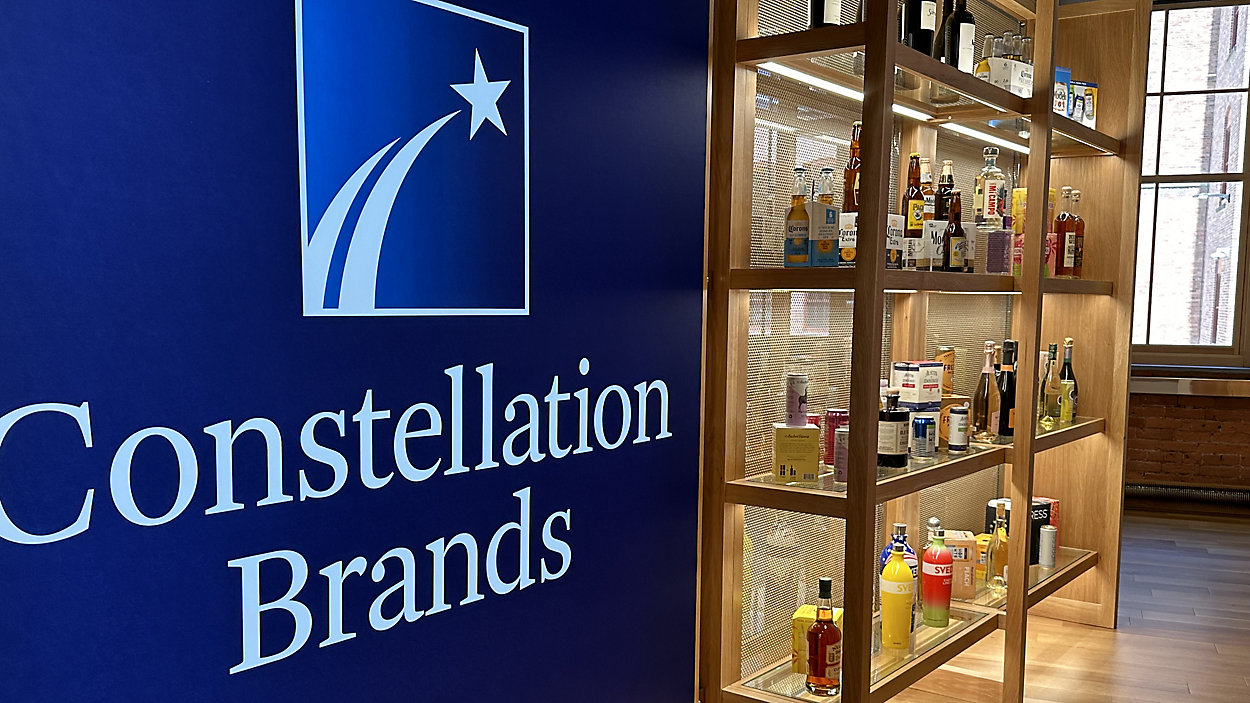
Based in Victor, New York, Constellation Brands is a bit of an anomaly on this list. They're not some ancient European brewery, but they absolutely dominate the North American premium beer market. How? Mexican imports. Think Corona, Modelo Especial, Pacifico. They made a genius move back in 2013, buying Grupo Modelo's U.S. operations, and it changed everything for them. Now, Modelo Especial is basically giving Bud Light a run for its money in the U.S., and Corona is still, well, Corona. They're pumping out an estimated 35 million hectoliters a year, heavily focused on those higher-end, imported brands.
Constellation isn't afraid to jump on trends either. Corona Hard Seltzer? Yeah, they did that, and it's doing well. They're all about that "premiumization" game, making sure their brands feel a little more special, a little more aspirational. You see them everywhere, sponsoring sports and entertainment, building that connection with drinkers. My only real gripe? Sometimes it feels like they're leaning a little toohard on the Corona name for everything. While it's a powerful brand, you can't just slap Corona on every new drink and expect magic. Diversification is good, but don't dilute the golden goose.
3. Baltika Brewery
While Baltika Brewery is technically part of the Carlsberg Group, it operates with enough independence, especially in Eastern Europe, to warrant its own spot here. Hailing from St. Petersburg, Russia, Baltika has been around since 1990 and has grown into the undisputed king of Russian beer. They're reportedly churning out over 30 million hectoliters a year. Their lineup includes the Baltika brand itself, plus popular international names like Tuborg and Holsten, which they brew under license. They've cornered the market in Russia and neighboring countries like Ukraine and Belarus, largely thanks to an ironclad distribution network and a focus on affordability. Even with regional economic wobbles, they hold strong.
They've invested heavily in modernizing their facilities, making them more energy-efficient, and they've got a growing line of non-alcoholic beers, which is smart for that market. Baltika's strength is its ability to blend massive production with really localized marketing. They know what their customers want, and they deliver it. My complaint, though, is that outside of their core markets, Baltika often comes across as a bit generic. You don't see the same kind of brand excitement or premium push that you get from some of the other global players. It's a volume play, which is fine, but it leaves me wondering about their global aspiration beyond their established turf.
4. Diageo plc
When you think Diageo, you probably think spirits first- Johnnie Walker, Smirnoff, Tanqueray. And you'd be right, they're massive in that space. But their beer arm, primarily driven by the iconic Guinness brand, is no slouch. This London-based behemoth, formed in 1997, is reportedly making over 25 million hectoliters of beer every year. Guinness, that rich, creamy stout, is a global phenomenon. It's not just a beer; it's an experience, a ritual, and a must-have in pubs worldwide. They've got other lagers like Harp and Kilkenny too, but Guinness is the star.
Diageo has been smart, pushing into growth markets, especially in Africa. Nigeria and Kenya are huge for them, and they're really building that brand presence. They're big on "experiential marketing," like the Guinness Storehouse tours, which just reinforces that premium image. And like many big players, they're leaning into sustainability, cutting carbon and supporting local barley farmers. All good stuff. My main frustration with Diageo's beer division is that sometimes, with such a dominant brand like Guinness, it feels like their other beer offerings get a bit lost in the shuffle. They could do more to build up a more diverse and equally exciting beer portfolio beyond the stout, rather than just relying on the one mega-hit.
5. Kirin
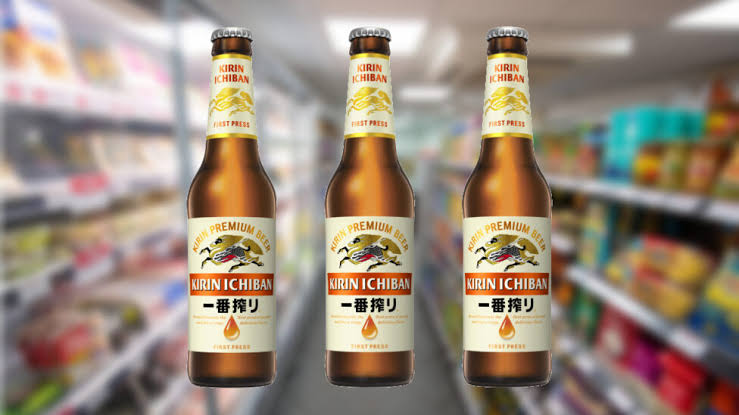
Kirin Holdings, out of Tokyo, Japan, is a venerable name in Asian brewing, going all the way back to 1888. They're moving an estimated 20 million hectoliters of beer a year, making them a true heavyweight. Kirin Ichiban and Kirin Lager are absolute staples in Japan, but they've been smart about expanding their footprint across the Asia-Pacific region, including Australia and Southeast Asia. They've made strategic investments, like their stake in Asahi, to keep themselves competitive.
What's interesting about Kirin is how they're adapting to Japan's aging population and the global health trend. They're pushing low-alcohol and zero-sugar beers, which is a really smart play. They've also dipped their toes into craft beer and ready-to-drink options, with brands like Spring Valley gaining traction. Sustainability is on their radar too, with efforts like using renewable energy in their breweries. My biggest annoyance with Kirin, though, is that sometimes their international marketing feels a little... safe. They have fantastic products, but they don't always translate that unique Japanese craft and quality into the global market with the same punch as some of their European or American counterparts. It's like they're holding back a little.
6. Heineken
Heineken Logo and symbol, meaning, history, PNG, brand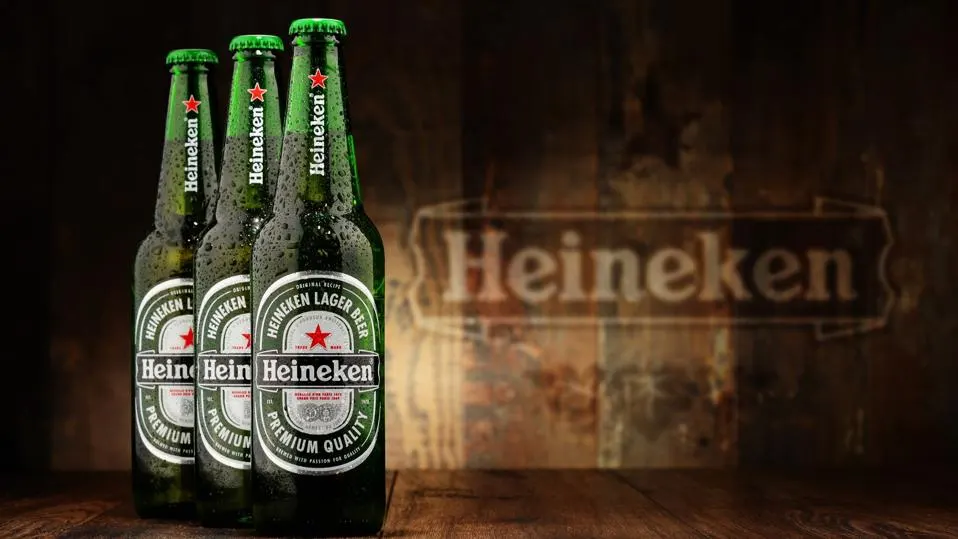
Heineken is a name everyone knows, and for good reason. This Amsterdam-based giant is truly global, reportedly brewing over 200 million hectoliters of beer each year. The Heineken green bottle is instantly recognizable, and its crisp, slightly bitter taste is a benchmark for lagers worldwide. Beyond their namesake, they've got a massive portfolio that includes Amstel, Tiger, and Desperados, giving them incredible reach across different segments and continents.
Their strategy for 2026 is clear: premiumization, and not just in the alcoholic space. Heineken 0.0 has been a huge success, tapping into the growing demand for non-alcoholic options. Their "Brew a Better World" campaign shows they're serious about environmental efforts, focusing on water reduction and carbon emissions. They're everywhere- Europe, Africa, Asia- and their sponsorships of major events like the UEFA Champions League keep them top of mind. My main complaint with Heineken? Sometimes their global consistency can feel a little... sterile. The beer is always good, but it rarely feels exciting or pushes any boundaries. It's reliable, yes, but I wish they'd take a few more risks with their core brand's identity, especially in markets craving something fresh.
7. China Resources Snow Breweries
Snow Breweries - Snow Beer Beer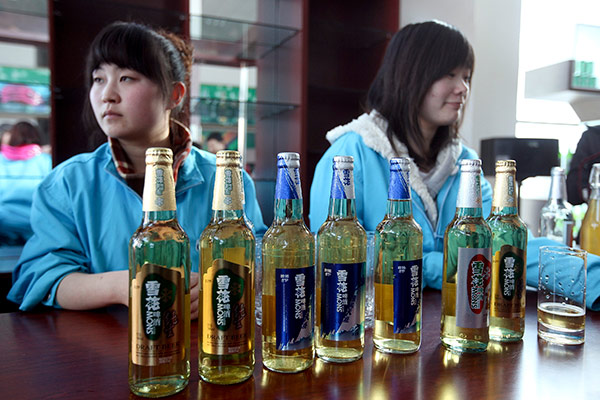
You probably haven't heard of Snow Beer unless you've spent some time in China, but here's a mind-blower: it's the best-selling beer in the world by volume. China Resources Snow Breweries, based in Beijing, makes this stuff. They're pouring out over 100 million hectoliters every year, largely thanks to China's massive population and growing middle class. Their joint venture with SABMiller (now part of AB InBev, of course) really cemented their dominance. Snow is cheap, it's everywhere, and it's the go-to for millions of Chinese drinkers.
For 2026, they're still focused on their home market, constantly rolling out new light and flavorful beers to appeal to younger drinkers. Their distribution network is insane, covering every nook and cranny of China, from bustling cities to remote villages. They're masters of low-cost production and smart local promotions, like partnering with festivals. It's a pure volume play, and they've perfected it. My annoyance? Well, it's a bit unfair to complain about a beer that isn't really aimed at Western palates, but Snow often gets criticized for being a bit bland. It's designed to be light and refreshing, sure, but it doesn't offer much in the way of distinct flavor. It's a workhorse beer, not a show pony, and sometimes I wish they'd push the envelope a bit more on taste, even for their massive market.
8. Carlsberg Group
Carlsberg Group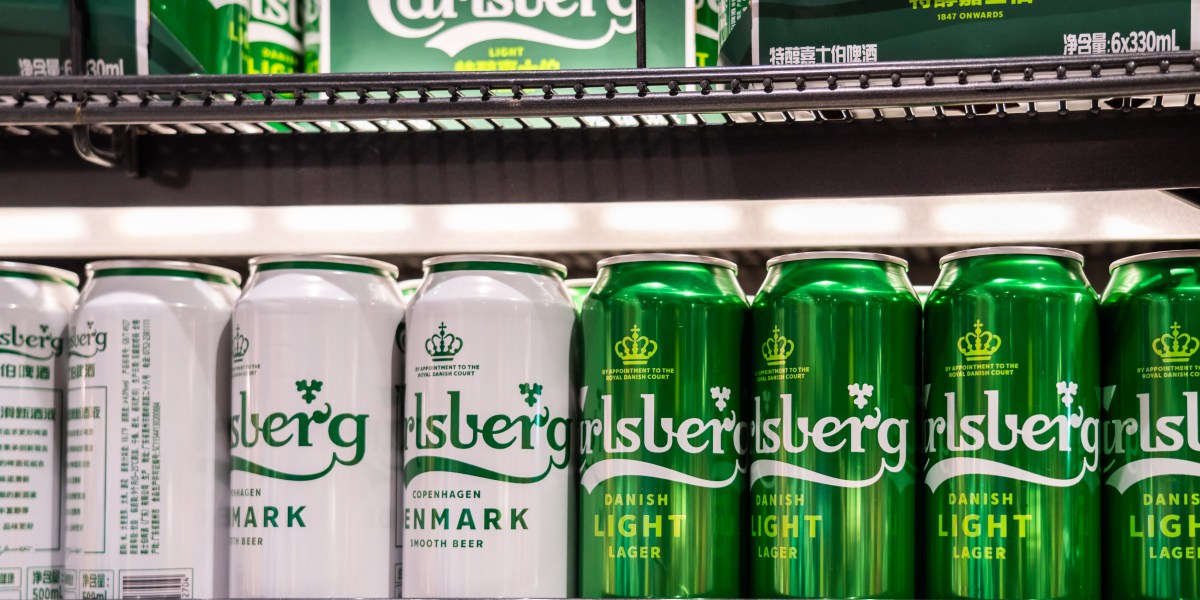
Carlsberg, headquartered in Copenhagen, Denmark, has been a global force since 1847. These guys are responsible for about 120 million hectoliters of beer production annually, making them one of the biggest names you'll encounter. Their brand stable includes Carlsberg, Tuborg, Kronenbourg, and Somersby cider, giving them a broad appeal across Europe and Asia, with significant inroads in China and India. They've been smart about adapting, investing in craft beers and non-alcoholic options like Carlsberg Nordic, showing they're not just stuck in the past.
The company's "Together Towards Zero" program- aiming for zero carbon emissions and water waste- is a big push for them, making them look pretty good in the sustainability department. They're constantly making shrewd acquisitions and focusing on premiumization to stay competitive. My annoyance with Carlsberg? Sometimes, the core Carlsberg lager, while perfectly decent, can feel a bit... uninspired in certain markets. It's a solid, reliable choice, but it doesn't always ignite that spark of excitement that some craft beers do. For such a storied brand, I sometimes wish for a bit more bold innovation in their flagship offering, rather than just playing it safe.
9. Molson Coors
Molson Coors, with its primary base in Chicago, Illinois, is a massive force in North America, churning out over 50 million hectoliters of beer annually. The company was born from the 2005 merger of Molson and Coors, bringing together powerhouse brands like Coors Light, Miller Lite, and Blue Moon. Their strength lies in their deep roots and extensive distribution across the U.S., Canada, and parts of Europe.
By 2026, Molson Coors has really diversified. They've moved beyond just beer, pushing into flavored malt beverages and hard seltzers. Brands like Vizzy and Topo Chico Hard Seltzer are gaining serious traction, showing they're not afraid to chase new trends. They're also big on innovation and sustainability, using recyclable packaging and generally trying to align with what modern consumers care about. Their marketing is strong, and their distribution is second to none in their core markets. My one frustration with Molson Coors is that sometimes their flagship beers, while iconic, feel a bit stuck in the past. There's a lot of heritage, but I often wish for a bolder, more modern refresh to their core offerings beyond just chasing the latest seltzer trend. It's like they're trying to appeal to everyone and sometimes lose a bit of their distinct beer identity in the process.
10. Tsingtao Brewery
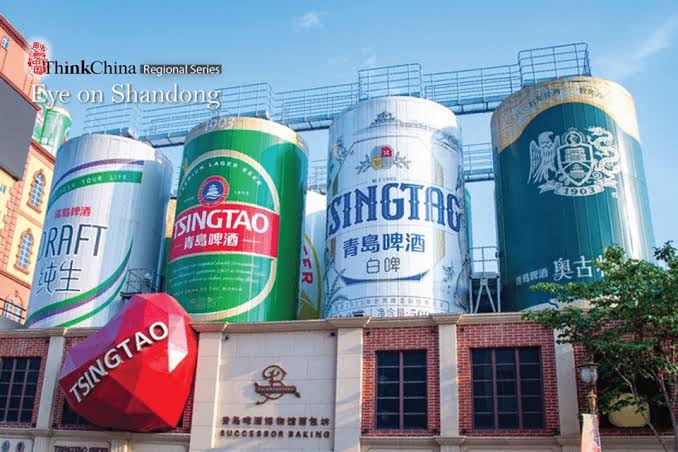
Tsingtao Brewery is a cool one. It's got history, founded by German settlers in Qingdao, China, way back in 1903. Now, it's China's second-largest brewery and easily its most famous beer export. They're producing an estimated 20 million hectoliters annually, and their main beer, Tsingtao, is known for its light, crisp taste. You can find it in over 100 countries, making it a true global ambassador for Chinese beer.
For 2026, Tsingtao is smartly focusing on higher-end and even craft beers, like their Tsingtao IPA. This is a smart move to appeal to younger drinkers and international markets looking for something a bit more interesting than a standard lager. They've also invested in modern brewing tech and eco-friendly practices, like reducing water usage, which helps them stay competitive. Their blend of a solid domestic foundation and a growing export market is a winning formula. My annoyance with Tsingtao? While their flagship beer is widely available, sometimes the quality control can feel a little inconsistent depending on where you're drinking it. I've had fantastic Tsingtao, and I've had some that felt a bit flat. For a brand that's trying to build a premium image globally, that consistency is absolutely key.
Related Posts

Top 10 Female Hockey Players in 2026: Meet the Game's Brightest Stars
Women’s ice hockey has experienced significant growth and development by 2026, with players from all over the world demonstrating outstanding skill, leadership, and commitment to the sport. The following is a detailed summary of the top ten female hockey players in the world in 2026, emphasizing their contributions to the game and their impact on […] More

Top 10 Best Hospitality Schools In The World (2026 Update): Where Tomorrow's Leaders Train
The world’s top hospitality schools continue to be essential in the context of a global economy because of their emphasis on offering exceptional guest experiences and high-quality service. People who want to work in hotels and other hospitality-related fields are actively looking for educational opportunities that will equip them with the skills and knowledge they […] <a class="g1-link g1-link-more" href="https://nubiapage.com/top-10-best-hospitality-schools-in-the-world-2024-up
Top 10 Greatest Packer Players in the World 2026: Surprising Picks & Legends
The Green Bay Packers, which are considered to be one of the most illustrious franchises in the history of the National Football League, have, throughout its existence, boasted a roster of remarkable talent. The history of the Packers is filled with players that have stood out for some reason, whether it be their iconic Super […] More

Top 10 Biggest Concert Stadiums In The World 2026
In 2026, the world of concert venues includes some of the biggest and most famous stadiums, known for hosting huge crowds and providing live music experiences that are unmatched. The following is a list of the ten largest concert stadiums in the world: List Of Top 10 Biggest Concert Stadiums In The World 2026 1. […] More
5 Comments
Join the discussion and share your thoughts