The Largest Oil Refineries In The World 2026: Essential Insights for Energy Stakeholders

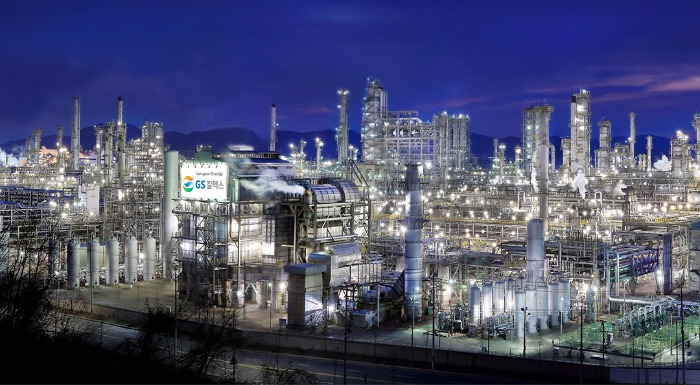
Table of Contents
The global energy sector relies heavily on the efficient processing of crude oil, a function primarily performed by large-scale refining complexes. Our analysis, drawing from the Energy Institute's Statistical Review of World Energy (2026) and other industry reports, identifies the largest oil refineries in the world for 2026. These facilities are defined by their immense crude oil processing capacity, strategic geographical placement, and advanced technological capabilities, which collectively shape global fuel markets and petrochemical supply chains.
Understanding the operational scale and technical sophistication of these refineries is essential for assessing the global energy landscape. These industrial giants convert raw crude into a wide array of refined products, including gasoline, diesel, jet fuel, and various petrochemical feedstocks, serving both domestic demand and international markets. The facilities listed below represent the pinnacle of refining infrastructure, driving energy security and economic activity across continents.
Methodology and Ranking Criteria for the Largest Oil Refineries
Our ranking of the world's largest oil refineries is fundamentally based on their stated atmospheric distillation capacity, which represents the maximum volume of crude oil they can process in a single day. This metric, typically expressed in barrels per day (bpd), is the primary indicator of a refinery's scale. For the 2026 rankings, we rely on verified capacities compiled by the Energy Institute's Statistical Review of World Energy (2026), supplemented by data from the U.S. Energy Information Administration (EIA) and official operator reports.
Beyond sheer capacity, other critical criteria inform our assessment. The Nelson Complexity Index (NCI) provides a measure of a refinery's sophistication, indicating its ability to convert lower-value heavy crude fractions into higher-value light products, such as gasoline and petrochemicals. A higher NCI, typically above 10, signifies advanced secondary processing units like fluid catalytic crackers, hydrocrackers, and cokers. We also consider ownership structures, geographical significance, and recent operational updates, including expansions, debottlenecking projects, or any reported disruptions to capacity. Our data prioritizes 2026 figures; where precise 2026 data is still emerging, we extrapolate from verified 2025 baselines with noted assumptions. This approach ensures a precise and current overview of the global refining hierarchy.
The Top 10 Largest Oil Refineries In The World 2026:
1. Jamnagar Refinery Complex, India
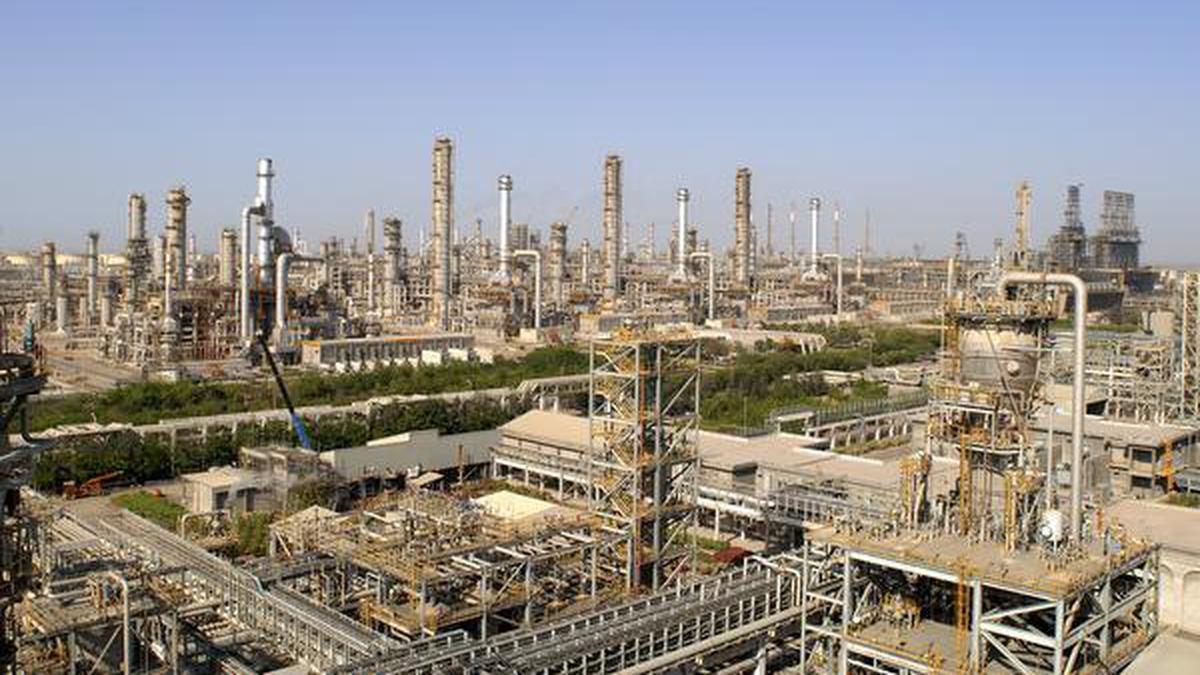
The Jamnagar Refinery Complex, owned and operated by Reliance Industries, stands as the world's largest oil refining complex, with an aggregate capacity reaching 1.24 million barrels per day. Located in Gujarat, India, this sprawling facility covers an area of 7,500 acres. Commissioned initially in 1999 and subsequently expanded in 2008, it plays a critical role in meeting India's substantial crude oil processing requirements. The complex is notable for its advanced technology, including a high Nelson Complexity Index (NCI) of 21.1, which allows it to process a diverse range of crudes and produce a wide spectrum of refined products, including high-value petrochemicals. Reliance Industries invested approximately $2 billion between 2025 and 2026 to integrate green hydrogen production, further enhancing its operational versatility and environmental profile. The refinery's export capabilities are also significant, making it a key player in global petroleum product markets.
2. Paraguana Refinery Complex, Venezuela
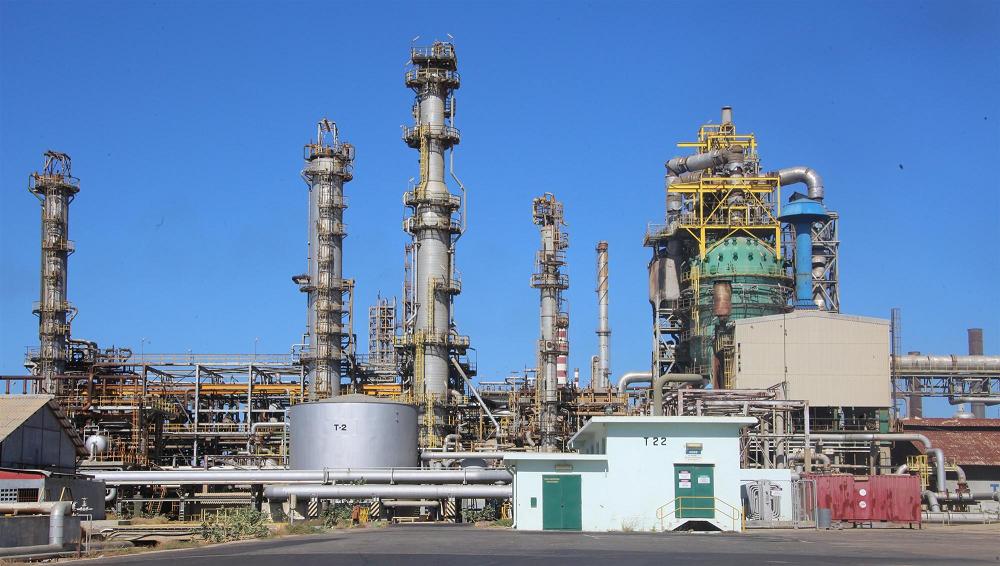
Situated in Falcón state, Venezuela, the Paraguana Refinery Complex is a state-owned facility under the operation of Petróleos de Venezuela, S.A. (PDVSA). This integrated complex combines the Amuay, Cardón, and Bajo Grande refineries, achieving an impressive capacity of 955,000 barrels per day. It is recognized as one of the largest refining complexes globally and houses the world's largest flexicoker unit, a technology crucial for processing heavy crude oils into lighter, more valuable products. The complex is instrumental in producing the majority of Venezuela's refined oil products, supporting domestic consumption and export. Despite facing geopolitical challenges and U.S. sanctions, the complex has endeavored to maintain its operational capacity through various strategies, including crude imports. Its Nelson Complexity Index is approximately 9.5, indicating robust deep conversion capabilities for fuel production.
3. SK Energy Ulsan Complex, South Korea
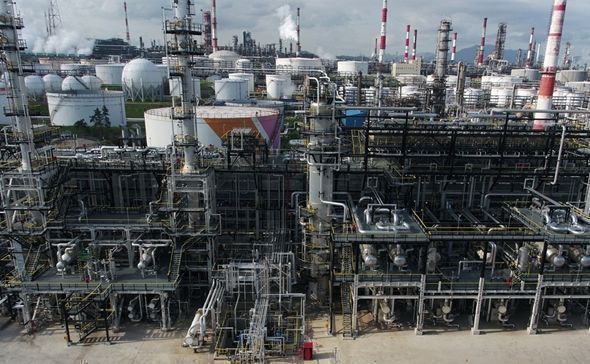
The SK Energy Ulsan Complex in South Korea is a foundational element of the nation's energy infrastructure, boasting a capacity of 840,000 barrels per day. This facility, operated by SK Energy, is responsible for producing an extensive array of petroleum products, including liquefied petroleum gas (LPG), gasoline, diesel, and jet fuel. The Ulsan Refinery is equipped with five distillation units, a paraxylene plant, and advanced heavy oil upgrading facilities, which collectively contribute to its high versatility and operational efficiency. In 2026, the complex underwent upgrades specifically aimed at increasing its production of low-sulfur fuels, aligning with evolving global environmental standards. Its Nelson Complexity Index is around 12, reflecting its advanced capabilities in transforming crude oil into high-octane gasoline and other specialty products, cementing South Korea's position as a major refining power.
4. GS Caltex Yeosu Refinery, South Korea
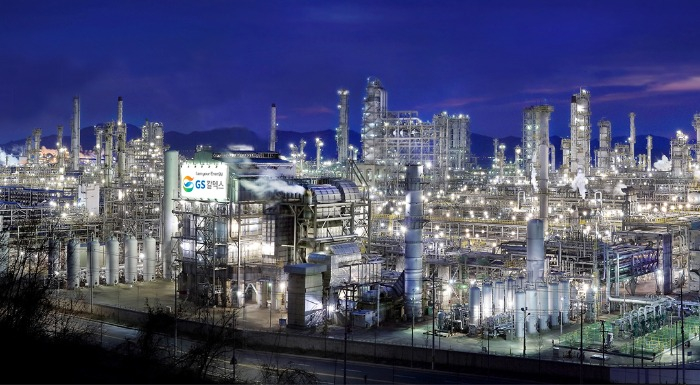
The Yeosu Refinery, owned by GS Caltex, is a significant global energy producer located in South Korea, with a processing capacity of 840,000 barrels per day. Established in 1969, this refinery has undergone substantial expansions, notably in 2021, to enhance its capabilities. The facility is well-equipped with advanced units, including hydrocrackers and base oil production facilities. These technologies enable it to efficiently convert heavy residues from crude oil into lighter, higher-value fuels such as diesel and kerosene, which are critical for the transportation sector. The Yeosu Refinery is also recognized for its implementation of advanced environmental systems, reflecting a commitment to sustainable operations within the refining industry. Its strategic location and technological prowess make it a vital contributor to South Korea's energy supply and an important exporter of refined products.
5. Ruwais Refinery, United Arab Emirates
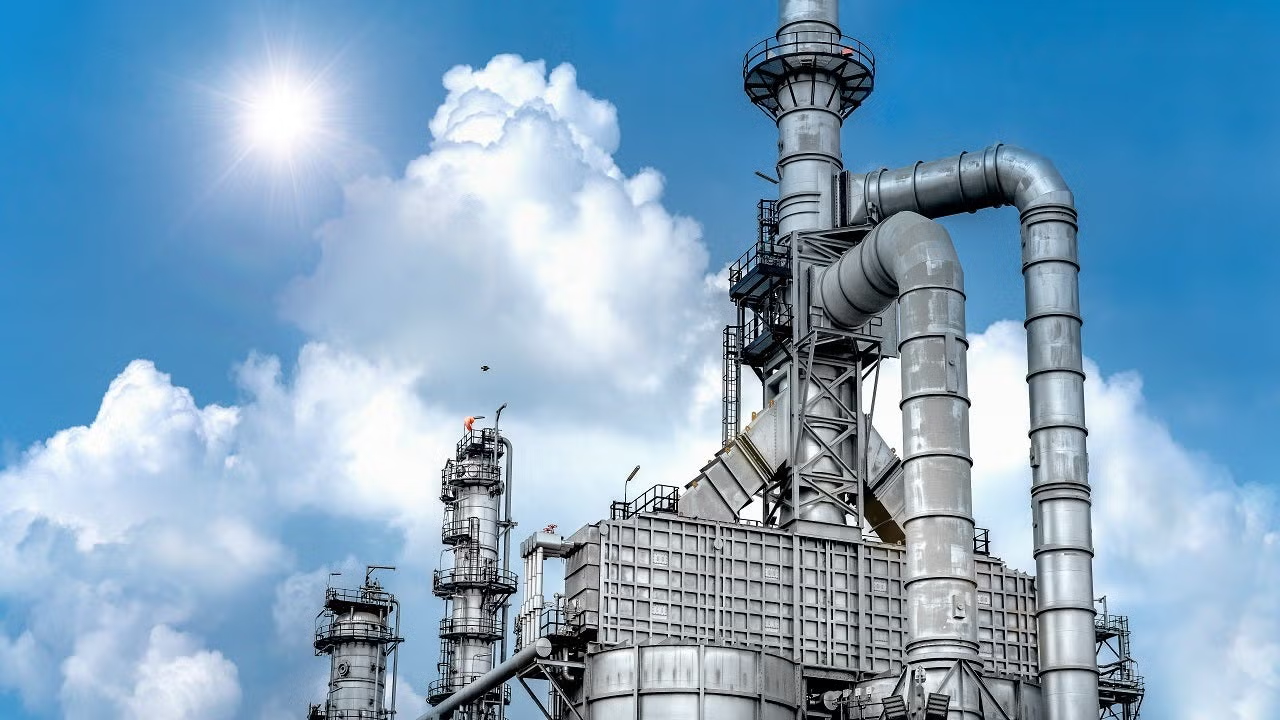
The Ruwais Refinery, a flagship facility of the Abu Dhabi National Oil Company (ADNOC), is located in Ruwais, Abu Dhabi, United Arab Emirates, with a capacity of 827,000 barrels per day. Originally built in 1982, this refinery underwent a substantial upgrade and expansion in 2015, significantly boosting its processing capabilities. Further enhancements in 2025 saw the addition of a new 140,000 bpd diesel-focused unit, pushing its capacity to approximately 860,000 bpd. The Ruwais Refinery is one of the Middle East's largest refining complexes, distinguished by its high Nelson Complexity Index of approximately 14.5. This allows for deep conversion and efficient processing of heavy sour crudes, integrating seamlessly with ADNOC's broader strategy to expand downstream operations and diversify its product portfolio. The refinery also leads in sustainability efforts, with carbon capture and utilization (CCUS) projects designed to sequester 800,000 tons of CO2 per annum.
6. S-Oil Onsan Refinery, South Korea
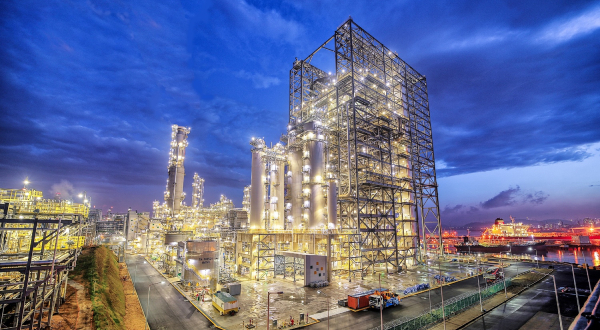
The S-Oil Onsan Refinery, operational since 1979 and owned by S-Oil Corporation, is a key participant in South Korea's refining sector, processing 669,000 barrels per day. This facility is recognized for its comprehensive production of a range of petroleum products, petrochemicals, and lube base oil. The Onsan Refinery is particularly noted for its Bunker-C Cracking Centre and Crude Fractionation Unit (CFU), which are instrumental in improving the quality and volume of its output. These advanced units allow the refinery to maximize the yield of valuable products from crude oil, contributing to its reputation for innovation and efficiency in the refining industry. It plays a crucial role in meeting domestic demand for various fuels and industrial feedstocks, while also maintaining a strong presence in export markets.
7. Dangote Refinery, Nigeria
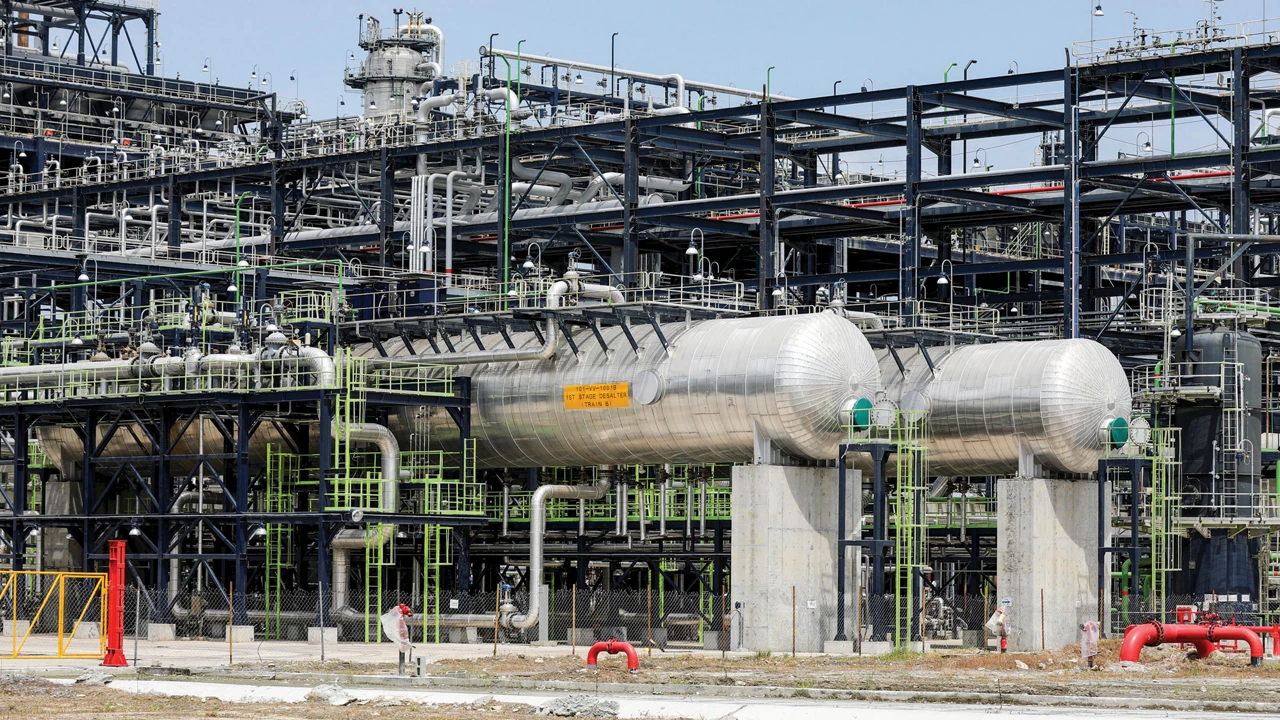
The Dangote Refinery, situated in Lagos, Nigeria, represents a monumental achievement in African industrial development. Commissioned in 2023, it is Africa's largest and newest refinery, designed with a capacity of 650,000 barrels per day. This facility aims to substantially reduce Nigeria's historical reliance on imported refined fuels and to supply petroleum products across the West African region. The Dangote Group's investment in this project underscores its strategic importance for national energy security and economic diversification. The refinery is engineered with state-of-the-art technology to process a variety of crude oils. Future expansion plans project its capacity to reach an impressive 1.4 million barrels per day, which would position it among the very largest refining hubs globally. The refinery's robust infrastructure includes a large crude distillation unit, fluid catalytic cracking, and hydrotreating facilities.
8. Marathon Petroleum Galveston Bay Refinery, United States
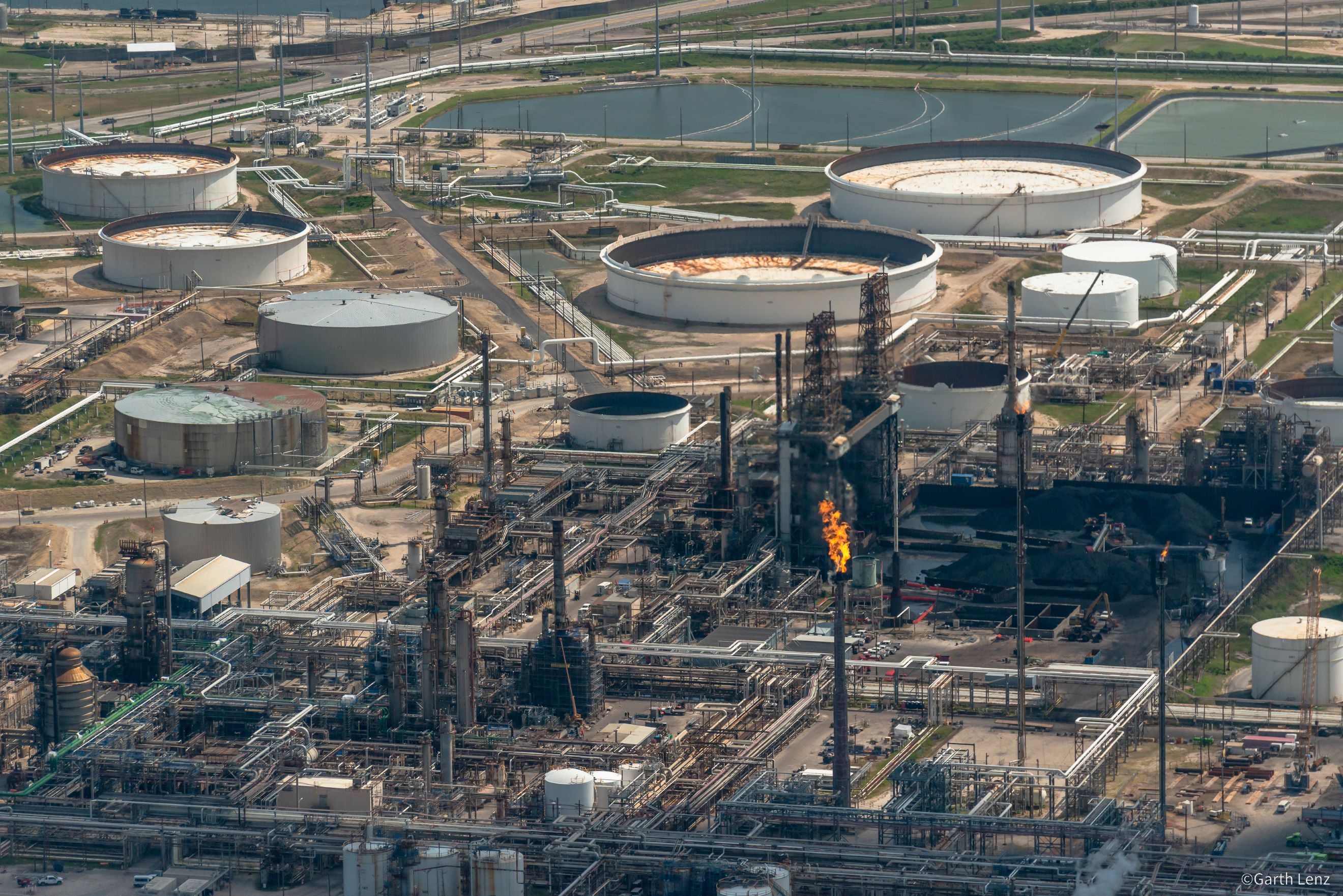
The Marathon Petroleum Galveston Bay Refinery, located in Texas City, Texas, stands as one of the largest refining facilities in the United States, with a substantial operable capacity of 631,000 barrels per day as of January 1, 2024. Owned and operated by Marathon Petroleum Corporation, this refinery is a critical asset for fuel production and distribution throughout the Gulf Coast region and beyond. It processes a wide range of crude oils to produce gasoline, diesel, jet fuel, and other refined products essential for the domestic market. The refinery's advanced processing units, including cokers and hydrocrackers, enable it to handle diverse feedstocks and maximize the yield of high-value products. Its strategic location on the Texas Gulf Coast provides excellent access to crude oil supplies and product distribution channels.
9. Motiva Enterprises Port Arthur Refinery, United States
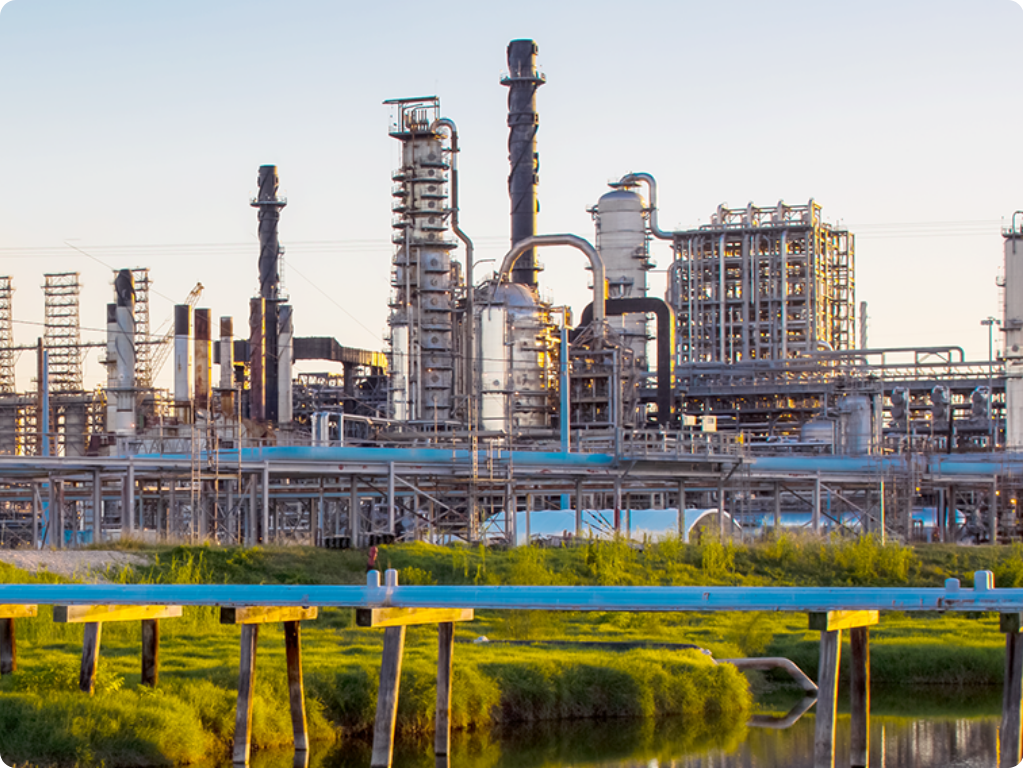
The Motiva Enterprises Port Arthur Refinery in Texas is a significant producer of gasoline, jet fuel, distillates, and various chemicals for the U.S. market. As of early 2024, its capacity reaches 626,000 barrels per day, establishing it as one of the largest refineries in the United States. This facility, owned by Motiva Enterprises, has a long history of contributing substantially to national fuel production, including its critical role during World War II. The Port Arthur refinery is equipped with advanced cracking and hydrotreating units, allowing it to process a variety of crude types and produce a broad portfolio of refined products meeting stringent environmental specifications. Its operational scale and technological capabilities make it a cornerstone of the U.S. refining industry, supporting widespread energy needs.
10. ExxonMobil Beaumont Refinery, United States
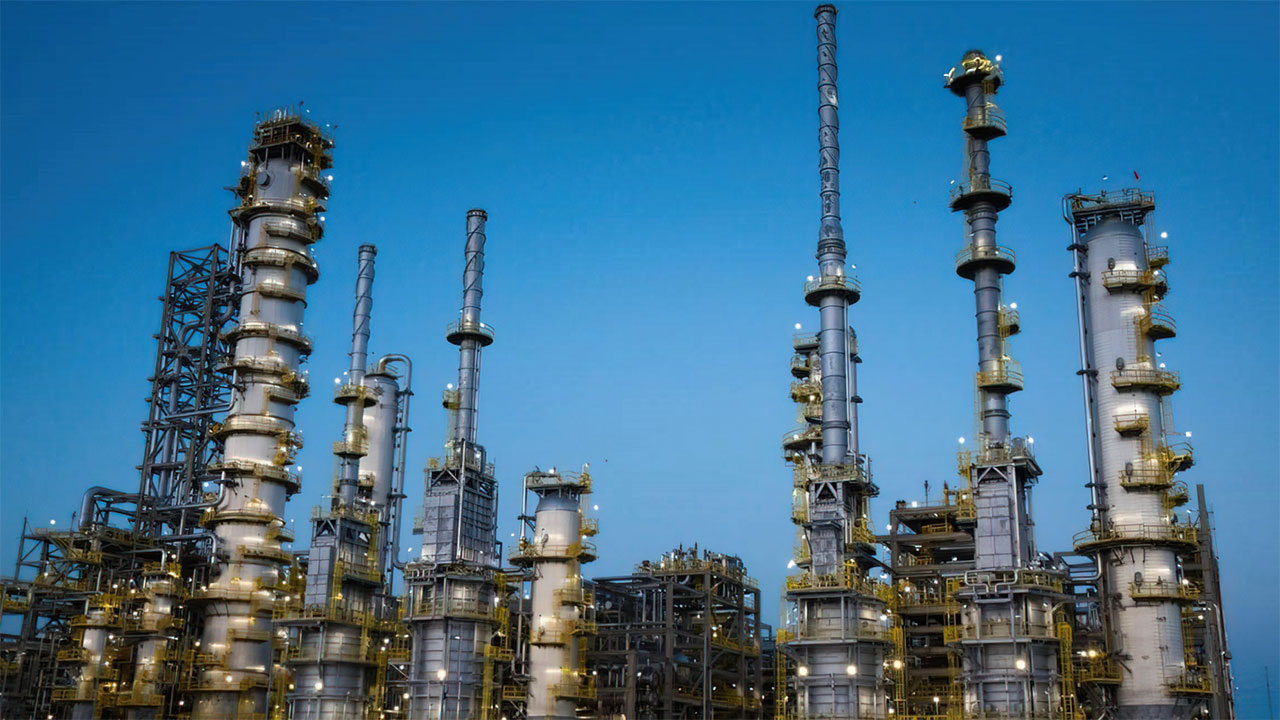
The ExxonMobil Beaumont Refinery, situated in Beaumont, Texas, is an integral component of ExxonMobil's extensive global refining network and one of the largest in the United States. As of January 1, 2024, this facility processes 609,024 barrels per day of crude oil. The refinery is designed to handle a diverse range of crude oils, converting them into motor fuels, lubricants, and essential chemical feedstocks. It serves both domestic and international markets, underscoring its strategic importance within ExxonMobil's integrated operations. The Beaumont refinery utilizes advanced technologies for crude distillation, catalytic cracking, and hydroprocessing, ensuring the efficient production of high-quality petroleum products. Its continuous operations support energy demands across various sectors, from transportation to manufacturing, solidifying its position among the world's leading refining assets.
The largest oil refineries in the world for 2026, led by India's Jamnagar Complex and Venezuela's Paraguana Refining Center, exemplify the global energy industry's scale and technical sophistication. Our detailed analysis, utilizing data from the Energy Institute and other authoritative sources, underscores the critical role these facilities play in processing crude oil and supplying a diverse range of petroleum products worldwide. The industry continues to evolve, characterized by increasing complexity, a strategic geographical concentration in Asia and the Middle East, and ongoing efforts towards sustainability. As global crude production, notably from the U.S. at 13.58 million barrels per day, continues to influence markets, the future growth and resilience of these refining giants will depend on their ability to adapt to geopolitical shifts, embrace digital integration, and transition towards a lower-carbon energy landscape. Investors are actively pursuing over $100 billion in opportunities for refinery upgrades and new projects, signaling a dynamic future for the sector.
Related Posts

Top 10 Richest Chefs in USA 2026: How They Built Culinary Empires
In recent years, the world of celebrity chefs has developed into a multi-billion dollar industry that combines culinary expertise with media savvy, entrepreneurialism, and the development of distinctive brands. In the year 2026, a number of the wealthiest chefs in the United States have not only established themselves as influential figures in the kitchen, but […] More

Top 10 Best Skaters in the World 2026: The Ultimate Showdown Awaits
As we move through 2026, a few skaters stand out for their extraordinary skills, creativity, and contributions to the sport. Here’s a look at the top 10 skaters in the world right now, each pushing the boundaries of skateboarding in their own unique way. Skateboarding has evolved into a highly dynamic sport, showcasing remarkable talent […] More

Top 10 Highest Paid Female Footballers In The World 2026: Salaries That Shocked the Industry
Top 10 Highest Paid Female Footballers In The World 2026 1. Sam Kerr One of the most notable players in women’s football is Sam Kerr, who hails from Australia and operates as a striker. Kerr has emerged as a significant personality in the sport as a result of her remarkable speed, her extraordinary ability to […] More

Top 10 Richest Kings in Africa 2026: Who Reigns Supreme in Wealth?
Traditional kings of Africa are among the wealthiest and most powerful in the world. Africa is home to African traditional monarchs. Through investments, land ownership, natural resources, and royal enterprises, these kings have amassed an enormous amount of riches, which they have used to exert a great amount of political power and command a significant […] More
7 Comments
Join the discussion and share your thoughts