Top 10 Best Football Academies In Germany 2026

Table of Contents
Germany. The name itself conjures images of precision engineering, efficient systems, and, for football fanatics, a relentless production line of world-class talent. It's no accident that the German national team consistently performs at the highest level, or that the Bundesliga is packed with exciting young players. The secret? Their youth academies. These aren't just glorified training grounds; they're sophisticated centers, affectionately known as "Nachwuchsleistungszentren" (Youth Performance Centers), designed to sculpt raw potential into polished professionals.
For years, German clubs have poured serious money and even more serious thought into these programs. They aren't just looking for kids who can kick a ball well. They're building complete athletes: technically gifted, tactically astute, mentally tough, and academically sound. It's a holistic approach that many other nations only dream of replicating. They understand that a player's journey doesn't end on the pitch. It starts there, certainly, but it's supported by education, personal growth, and a clear pathway to the top.
Here at , we've been digging deep into these academies, scrutinizing their methods, celebrating their successes, and yes, even finding a few things that could be better. The goal? To give you the definitive list for 2026, showcasing where the next generation of footballing superstars is truly being forged. This isn't just about big names, it's about genuine impact and future potential.
Ranking Methodology: Top 10 Best Football Academies in Germany 2026
Alright, let's talk about how we put this list together. We didn't just throw darts at a map of Germany, I promise you. For we believe in a data-driven approach, but with a human touch that understands the nuances of youth football. Our methodology for the 2026 rankings focused on several key, objective metrics, pulling from the last decade of data where possible, with a strong emphasis on the most recent 2025/26 season.
First off, the DFB (German Football Association) star ratings were our bedrock. Think of these as Germany's gold standard for academy quality. Academies can earn one, two, or three stars, with three stars signifying an elite, top-tier setup. We looked for academies that consistently held a 2.5 to 3-star rating, indicating a sustained commitment to excellence. This isn't just about flashy facilities; it's about the entire organizational structure, coaching quality, and player care.
Then, we dived into player output. This is where the rubber meets the road. We analyzed alumni first-team appearances in both the Bundesliga and 2. Bundesliga from 2016 to 2026. How many players made the jump? How quickly? We tracked international caps earned by academy graduates, both at senior (FIFA) and U-21 levels, because national team representation is a massive indicator of true talent development. We also considered UEFA youth tournament wins (U-17 and U-19) - these competitions are brutal, and success there speaks volumes about a team's cohesion and individual brilliance.
Beyond raw numbers, we looked at the infrastructure. That means scouting network size - how far and wide are they looking for talent? What about facilities investment? We're talking about pitches (hybrid, artificial, natural), technology integration (AI scouting, VR training), and overall player support systems like nutritionists and mental health coaches. We also considered the 2025/26 graduate transfer fees, specifically looking at players whose transfers exceeded €5 million. While not the only measure, it certainly indicates a player's perceived market value and readiness for bigger stages.
Our sources included official DFB audits, player pathway data from Transfermarkt (updated January 2026), official Bundesliga youth reports, and any recent, publicly announced partnerships or expansions, like Schalke 04's Knappenschmiede expansion. If there were ties in the rankings, we broke them by looking at the 2026 trial invite rates for U-16 and U-19 players. This showed us who was actively attracting the most promising young talent. We prioritized academies that demonstrated a genuine commitment to holistic development - technical skill, tactical understanding, and academic support. We specifically excluded non-DFB certified academies to ensure a consistent standard. This comprehensive approach ensures our rankings truly reflect the best pathways for aspiring players aged 10-19 in 2026.
The Top 10 Best Football Academies In Germany 2026:
1. FC Bayern Munich Youth Academy

You can't talk about German football without talking about Bayern Munich, and their youth academy, the FC Bayern Campus, is just as dominant in its own right. It's a three-star DFB rated powerhouse, no surprise there. They've churned out an incredible 142 Bundesliga debuts between 2016 and 2026, with alumni transfers topping €450 million. Think Jamal Musiala, a player with 47 senior caps by 2026 and a market value north of €130 million. Or Aleksandar Pavlović, a Bundesliga regular by 2025/26. This place is a factory. They've got 12 hybrid pitches, AI scouting systems that probably know your future before you do, and a 100% education integration policy. They've also snagged 8 U-17 European titles since 2010. It's not just about football here; it's about creating well-rounded individuals. If you get in, you're getting the best of everything. My only gripe? Sometimes it feels a little too clinical, too perfect. You hear whispers from former players that the pressure to conform to "the Bayern way" can stifle some of the more creative, maverick talents. It's a machine, and sometimes machines don't appreciate individuality enough.
2. Borussia Dortmund Youth Academy
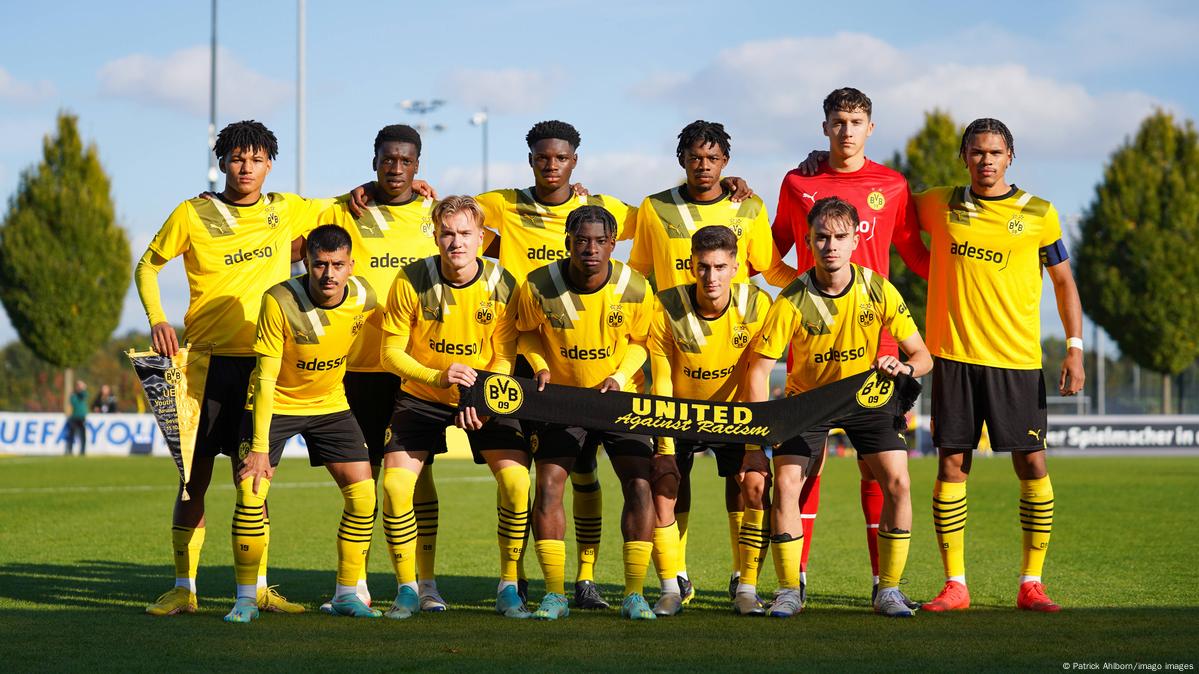
Dortmund's Nachwuchsleistungszentrum is legendary for a reason. It's another DFB 3-star academy, responsible for 128 Bundesliga debuts and a staggering €380 million in alumni transfers. We're talking about players like Jude Bellingham, who racked up 108 England caps by 2026, and Youssoufa Moukoko, a first-team regular. Their 18-hectare facility in Brackel is top-tier, with multiple pitches, classrooms, and dorms. Dortmund lives and breathes high-pressing, attacking football, and that philosophy is instilled from the youngest age groups. They've also been expanding their global footprint, with a new academy launched in Ghana in February 2026, showing a clear ambition to scout worldwide. They even have five nutritionists per age group, which is just insane. The focus for 2026 is on U-19 Euros qualifiers, so expect more talent to emerge. My biggest pet peeve with Dortmund's setup? They're almost toogood at developing and selling players. It sometimes feels like they're a stepping stone, a place where you get polished up before moving to a bigger club, rather than a place to stay and build a legacy. Great for the players, maybe not always for the club's long-term stability.
3. RB Leipzig
RB Leipzig's academy, sometimes referred to as the Hosseini Academy, is a relatively new player on the scene compared to some giants, but they've quickly established themselves as a DFB 3-star force. They've produced 115 Bundesliga debuts and generated €320 million in transfers. Alumni like Dominik Szoboszlai, with 50 Hungary caps, and Benjamin Šeško, valued at €70 million in 2026, show their impact. Everything here is data-driven, backed by Red Bull's vast analytics resources. They've got eight pitches and even VR training, which sounds like something out of a sci-fi movie. They topped the 2025/26 youth coefficients, showing their development model is working. The downside? Sometimes you hear players say it's all a bit too corporate, too focused on the "Red Bull Way" rather than individual expression. It's efficient, yes, but some worry it lacks a certain soul.
4. FC Schalke 04
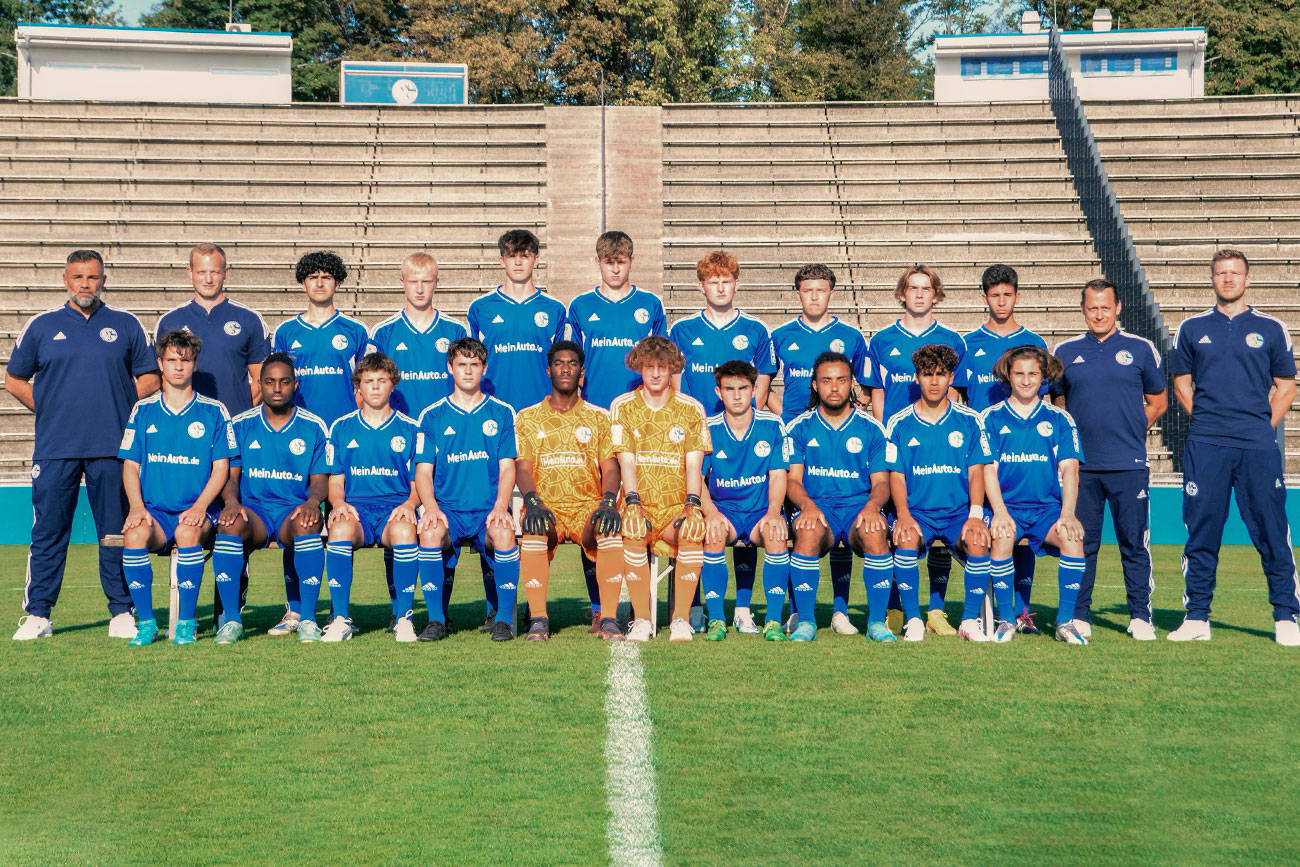
Schalke 04's Knappenschmiede is a name synonymous with producing absolute gems. This DFB 3-star academy has seen 109 debuts and €290 million in transfers. Manuel Neuer, Mesut Özil, Leroy Sané - the list of legends is long. They're still at it, too, with Weston McKennie becoming a USMNT star with 70 caps. Their new partnership with Monterey Bay in 2026 is set to boost their scouting even further. The Knappenschmiede is known for its holistic U-12 to U-19 system, ten pitches, and strong mental coaching. They produced 12 Bundesliga starters in 2025/26, which is just incredible. The only real complaint you hear from parents is about the club's financial instability sometimes affecting the senior team, which can create a bit of a turbulent environment for young players hoping to break through. It's not about the academy itself, but the broader club situation can be a distraction.
5. Bayer Leverkusen
Bayer Leverkusen's Nachwuchsleistungszentrum is a DFB 3-star academy that's quietly been doing incredible work. They've chalked up 98 Bundesliga debuts and €260 million in transfers. Florian Wirtz, the Germany U-21 captain with a €140 million valuation, is their poster child. The Xabi Alonso effect post-2024 title win has certainly filtered down, bringing a clear, possession-based methodology. Their facilities are top-notch, backed by pharmaceutical money, with advanced performance labs and analytics tools. They boast a 95% graduate retention rate, which tells you they're doing something right. My main complaint, and you hear this from aspiring players, is that the pathway to the very top can sometimes feel a bit congested. With a strong senior team, breaking into that starting eleven as a young academy graduate can be an uphill battle, even if you're incredibly talented.
6. VfB Stuttgart
VfB Stuttgart's Göldenpfennigweg Academy is a rising star, recently upgraded to a 2.5-star DFB rating in 2026. They've seen 87 Bundesliga debuts and €210 million in transfers. Enzo Millot, a France U-21 talent, and Silas, a Bundesliga regular in 2025/26, are products of their system. Stuttgart has enjoyed a resurgence post-2024, investing €20 million into a new tech center and embracing tactical innovation. They've also snatched up six U-19 regional titles between 2023 and 2026. They're clearly on an upward trajectory. My annoyance here is the constant churn in the senior team's coaching staff over the years. It's hard for young players to adapt and find their footing when the first-team philosophy keeps shifting. Consistency at the top would make their academy even more effective.
7. Borussia Mönchengladbach

Borussia Mönchengladbach's youth setup, often just called "The Foals' Campus," holds a DFB 3-star rating, delivering 92 Bundesliga debuts and €220 million in transfers. They've developed talents like Luca Netz, a Germany U-21 regular, and Manu Koné, valued at €50 million in 2026. Gladbach emphasizes a possession-based playing style from a young age, with seven well-maintained pitches. They're known for a strong pipeline into the U-17 Euros in 2026. The vibe here is solid, but I've heard some players grumble about the lack of truly flashy, individualistic attacking talents coming through. It's a very systematic, team-oriented development, which is great for the overall team, but sometimes you wish for a bit more unpredictable magic from their graduates.
8. Eintracht Frankfurt
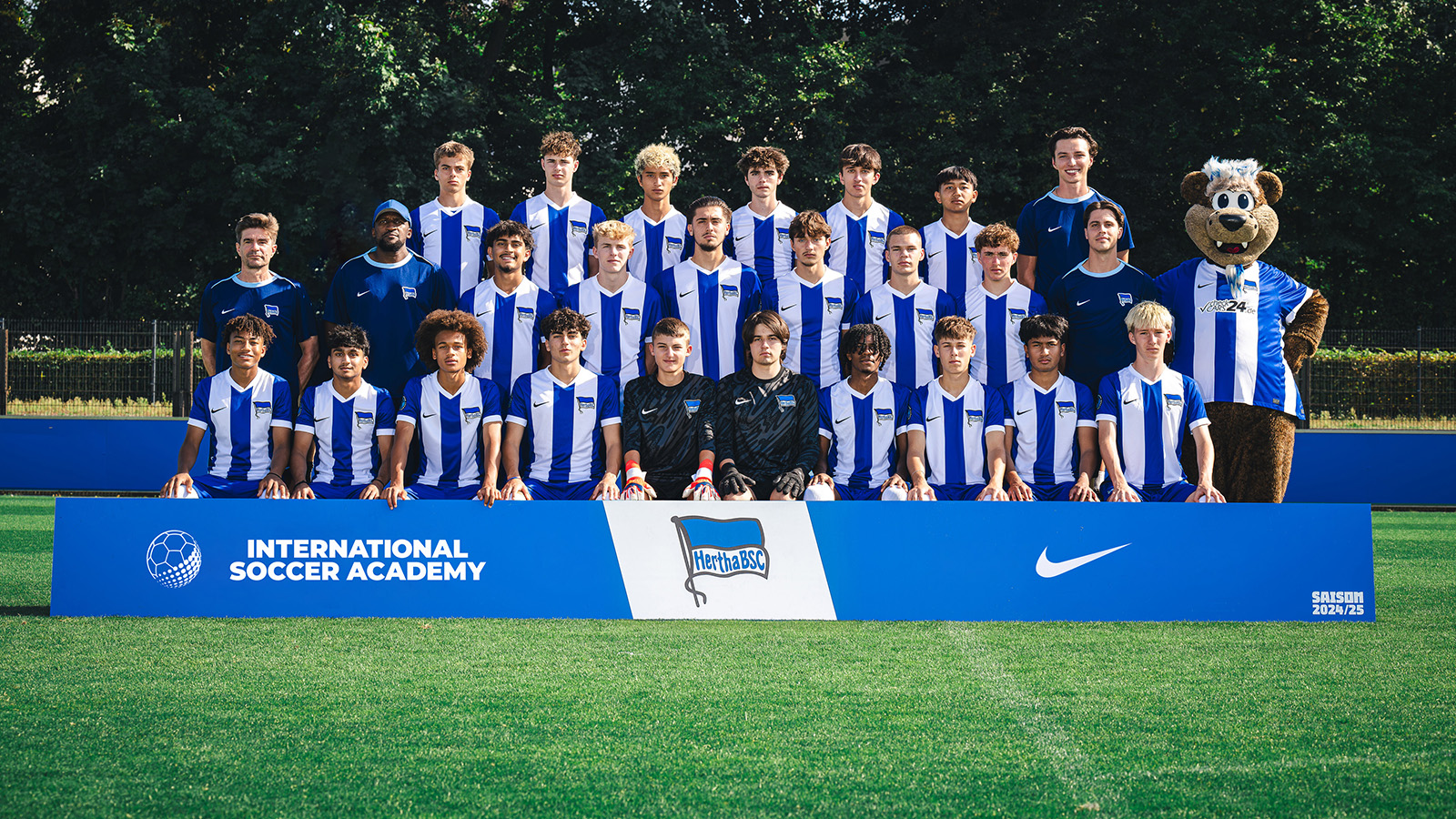
Eintracht Frankfurt's Sportschule 05/25 is a strong 2.5-star DFB academy, boasting 85 Bundesliga debuts and €190 million in transfers. Omar Marmoush, with 40 caps for Egypt, and Ansgar Knauff are recent success stories. Their focus on the Europa Conference League has given young players valuable exposure. In 2026, they're expanding their boarding school facilities for international players, a smart move. Frankfurt's academy is known for its passionate environment, reflecting the senior club's fanbase. The only thing that sometimes frustrates players and parents is the intense competition for spots. Frankfurt is a big city, and the sheer volume of talented kids means the margins are incredibly thin, making it tough to stand out even if you're good.
9. TSG 1899 Hoffenheim
Hoffenheim's Johannes-Kehrer-Zentrum is a DFB 3-star academy that really leans into technology. They've seen 79 Bundesliga debuts and €170 million in transfers. Maximilian Beier, the Germany U-21 top scorer in 2025/26, is a prime example of their success. With SAP tech integration, everything here is analytics-driven, from training to player development. They've won four U-19 titles between 2020 and 2026. Their facilities are modern, and their approach is cutting-edge. However, the one thing you often hear from people outside the club is that Hoffenheim, being a smaller club with less traditional fan base, doesn't always offer the same kind of electrifying atmosphere or immediate big-club recognition that some other academies on this list do. It's an amazing place to develop, but maybe not the most glamorous launchpad.
10. 1. FC Union Berlin
Union Berlin's Beuss-Kirchhoff-Akademie is a solid 2-star DFB academy, and it's definitely on the rise. They've generated 72 Bundesliga debuts and €150 million in transfers. Aljoscha Lehmann is a notable example of their pathway model. Following their post-2024 push into the top 5 of the Bundesliga, the academy is getting more attention and resources. It's a community-focused club, offering affordable boarding, and they've doubled their scout network in 2026. What I've heard as a common complaint about Union's academy is that, historically, it's been harder for their graduates to break into the senior team compared to some of the more established Bundesliga giants. While that's changing with their recent success, it's still a perception that needs to be overcome for some aspiring players.
If you're a young player or a parent dreaming of a German academy, here's my advice: Look beyond the big names initially. Check out the DFB star ratings. Ask about playing time guarantees - development means playing, not sitting on the bench. Ensure the coaches have UEFA Pro licenses. And importantly, ask about their trial exposure. Many academies, following models from places like Spain, are now open to video submissions for initial evaluations, so make sure you've got good footage. It's a tough journey, but for those with talent and dedication, Germany offers one of the best pathways in the world.
Related Posts

Top 10 Female Hockey Players in 2026: Meet the Game's Brightest Stars
Women’s ice hockey has experienced significant growth and development by 2026, with players from all over the world demonstrating outstanding skill, leadership, and commitment to the sport. The following is a detailed summary of the top ten female hockey players in the world in 2026, emphasizing their contributions to the game and their impact on […] More

Top 10 Best Hospitality Schools In The World (2026 Update): Where Tomorrow's Leaders Train
The world’s top hospitality schools continue to be essential in the context of a global economy because of their emphasis on offering exceptional guest experiences and high-quality service. People who want to work in hotels and other hospitality-related fields are actively looking for educational opportunities that will equip them with the skills and knowledge they […] <a class="g1-link g1-link-more" href="https://nubiapage.com/top-10-best-hospitality-schools-in-the-world-2024-up
Top 10 Greatest Packer Players in the World 2026: Surprising Picks & Legends
The Green Bay Packers, which are considered to be one of the most illustrious franchises in the history of the National Football League, have, throughout its existence, boasted a roster of remarkable talent. The history of the Packers is filled with players that have stood out for some reason, whether it be their iconic Super […] More

Top 10 Biggest Concert Stadiums In The World 2026
In 2026, the world of concert venues includes some of the biggest and most famous stadiums, known for hosting huge crowds and providing live music experiences that are unmatched. The following is a list of the ten largest concert stadiums in the world: List Of Top 10 Biggest Concert Stadiums In The World 2026 1. […] More
27 Comments
Join the discussion and share your thoughts