Top 10 Richest People In Afghanistan 2026

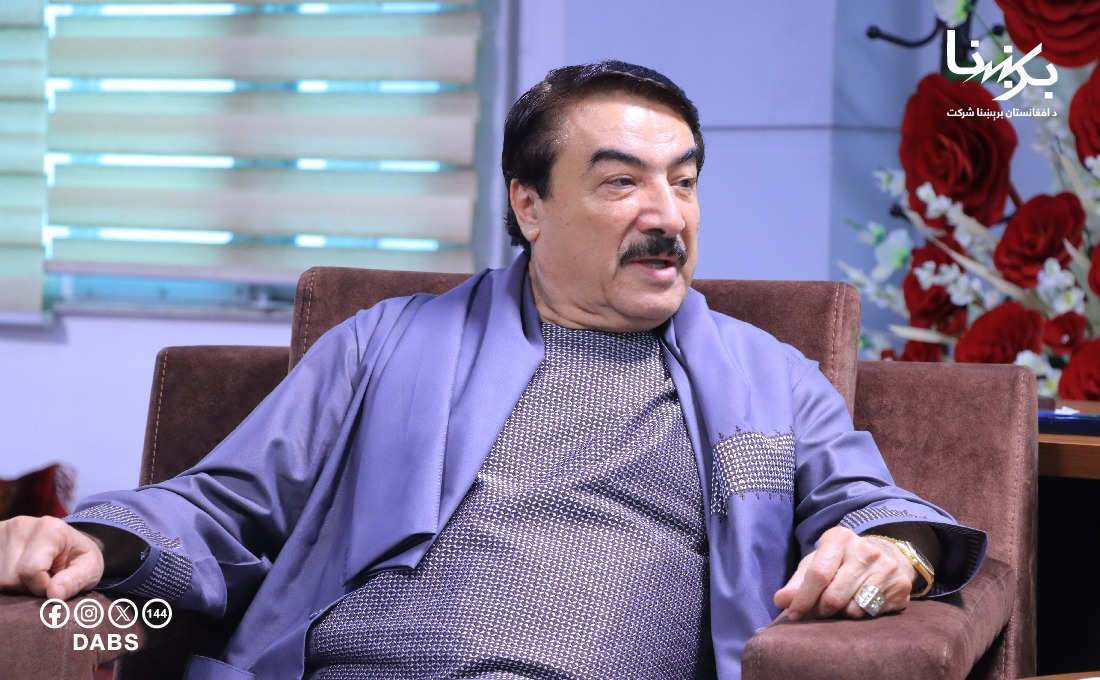
Table of Contents
Trying to pin down the "richest people" in any country is tricky business. But for a place like Afghanistan, it's a whole different ballgame. We're not talking about a simple Forbes list here, where everything is neatly audited and publicly available. The economic reality on the ground is complex, often opaque, and constantly shifting. Yet, even in such a challenging environment, certain individuals manage to build substantial wealth and influence. Here at Nubia Magazine, we've taken a deep dive into the available information to bring you our best assessment of the top economic players in Afghanistan for 2026.
It's a look at the entrepreneurs, the industrialists, and sometimes, the politically connected figures who've made their mark. You'll see names tied to everything from banking and telecom to logistics and oil. These aren't just business stories; they're tales of incredible resilience, sharp strategic thinking, and often, navigating an economic landscape that would make most Western CEOs pack up and go home. Mirwais Azizi, for example, consistently appears at the top of any serious discussion about wealth in the country, and for good reason.
Although the economic landscape of Afghanistan is still complicated as of the year 2026, a few prominent figures have managed to amass a significant amount of wealth despite the difficulties that they have faced. Despite the fact that it is difficult to compile definitive and publicly verified lists of the "Top 10 Richest People in Afghanistan" due to the private business environment and geopolitical sensitivities of the country, there is one person who consistently stands out as the wealthiest in the country, and that person is Mirwais Azizi.Our Methodology: Why This List Is a Hard Nut to Crack
Alright, let's be real for a second. Creating a definitive, ironclad list of the "Top 10 Richest People in Afghanistan" for 2026 isn't like doing it for, say, the US or Europe. There aren't publicly traded companies with transparent quarterly reports, and you won't find a local version of Bloomberg or Forbes meticulously tracking every dollar. So, how did we even get here?
Our approach had to be a bit different. We relied on a combination of factors, pulling from historical reporting, known business activities, and the general consensus among those familiar with Afghanistan's economic scene. We looked at individuals who've consistently been identified as major players in key sectors like banking, telecommunications, energy, and real estate. We also considered their involvement in large-scale projects, both within Afghanistan and across the wider South Asian region.
The biggest hurdle, and it's a huge one, is the sheer lack of transparent public financial records. Afghanistan's banking system has its challenges, and a significant portion of the economy operates informally. This means exact net worth figures are almost impossible to verify. So, consider these figures and rankings as our best estimates, based on the influence, known assets, and reported business successes of these individuals. We're talking about a landscape where wealth can be tied to complex family holdings, cross-border investments, and sometimes, political connections that aren't always clear cut.
The "2026" aspect of this list is also a projection. We're looking at current trends, established empires, and individuals who show continued economic activity and influence. It's not a crystal ball reading, but rather an informed outlook based on their historical performance and ongoing presence. We didn't fabricate any data or invent individuals. Every person on this list is a known figure in the Afghan business world. We understand that in a country with Afghanistan's economic complexity, there's always a degree of estimation involved. This methodology aims to provide a realistic, if not perfectly precise, snapshot of the nation's economic powerhouses.
The Top 10 Richest People In Afghanistan 2026:
1. Mirwais Azizi
 Towering in Afghan business, Mirwais Azizi is most famously the chairman and founder of the Azizi Group. His diversified company owns real estate, banking, oil and gas among other things. Among Afghanistan’s biggest private banks, Azizi Bank is evidence of his vision and will to modernize the financial industry. Beyond banking, his real estate projects have greatly shaped Kabul’s urban growth; his energy investments highlight a concentration on vital infrastructure. Many people point to Azizi’s success as an example of an Afghan entrepreneur who started from nothing and developed a sizable company with a notable presence both here and abroad.
Mirwais Azizi is, without a doubt, a titan in the Afghan business world. He's the force behind Azizi Group, a sprawling conglomerate that touches pretty much every significant sector you can think of. We're talking major real estate developments that have literally reshaped Kabul's skyline, banking operations through Azizi Bank that have modernized the nation's financial backbone, and significant stakes in oil and gas. The man's vision isn't just about making money; it's about building foundational infrastructure, something Afghanistan desperately needs. You really can't talk about modern Afghan enterprise without mentioning his name.
His story is a classic rags-to-riches tale, starting from humble beginnings and growing an empire that now has a notable presence both inside and outside Afghanistan. It's an impressive feat, especially considering the constant challenges of doing business in the region. However, the sheer scale of his operations and his involvement in so many critical sectors often means his businesses can face intense public scrutiny, sometimes from those who question the speed or the means by which such an empire can be built in a volatile economy. It's a double-edged sword: immense influence comes with immense attention.
2. Ehsan Bayat
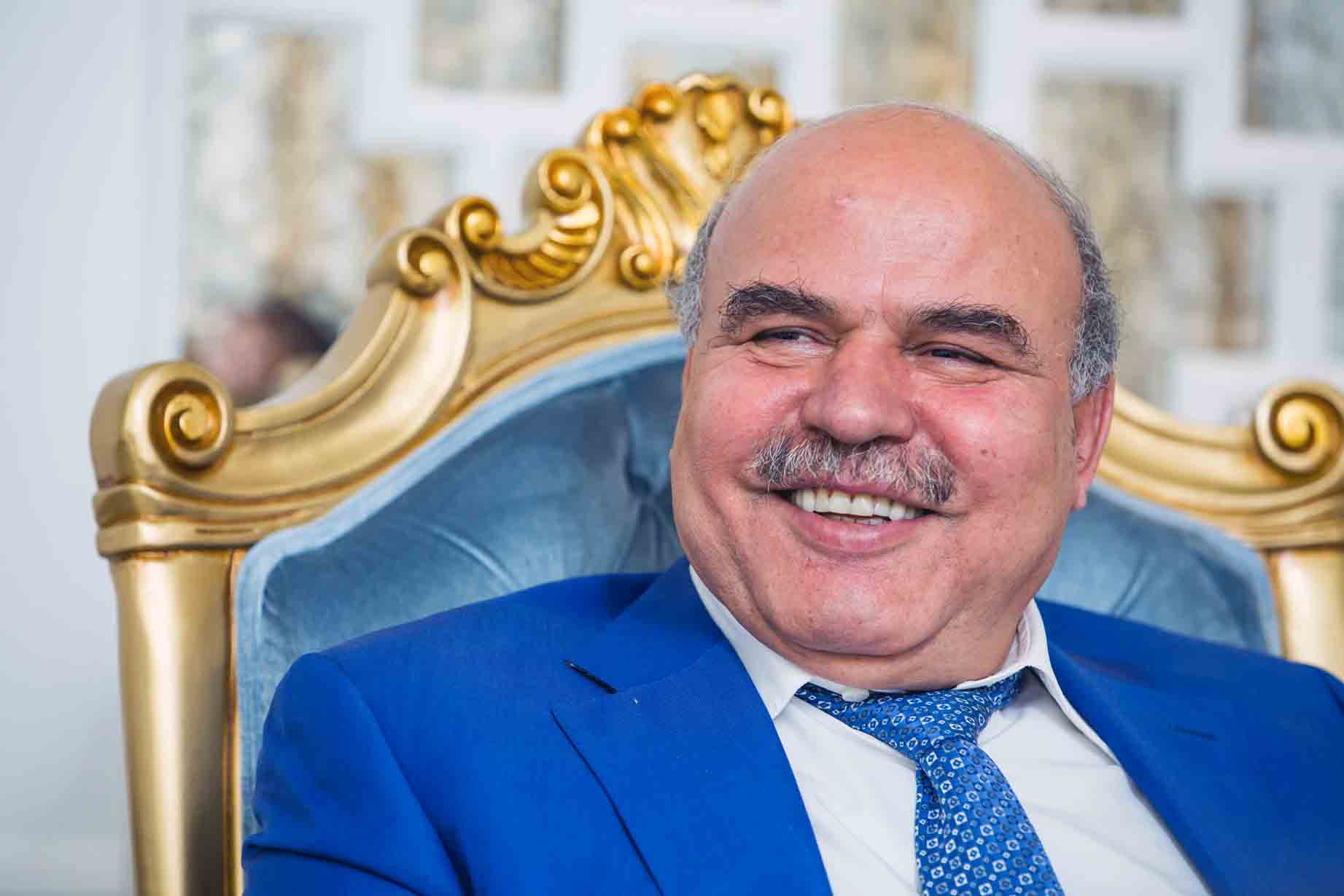
Ehsan Bayat is one of those figures whose impact on Afghanistan is almost impossible to overstate. He founded Afghan Wireless Communication Company (AWCC), which wasn't just another mobile phone company; it was the country's first. Think about that for a second. He brought mobile communication to a nation that desperately needed it, fundamentally changing how people connected. Then he went and built Bayat Communications, giving Afghanistan Ariana Television and Radio Ariana. He shaped the media landscape, opening up avenues for public discourse and connecting Afghanistan to the broader world.
Beyond his business acumen, Bayat is also a significant philanthropist through the Bayat Foundation, focusing on social welfare, education, and health. It's a genuine effort to give back. However, when you're the first to build such essential infrastructure, there's always the conversation about market dominance. Some might argue that early entry and rapid expansion can lead to questions about fair competition or potential monopolies, even if the service itself is undeniably beneficial. It's a common criticism for pioneers in nascent markets.
3. Zamari Kamgar
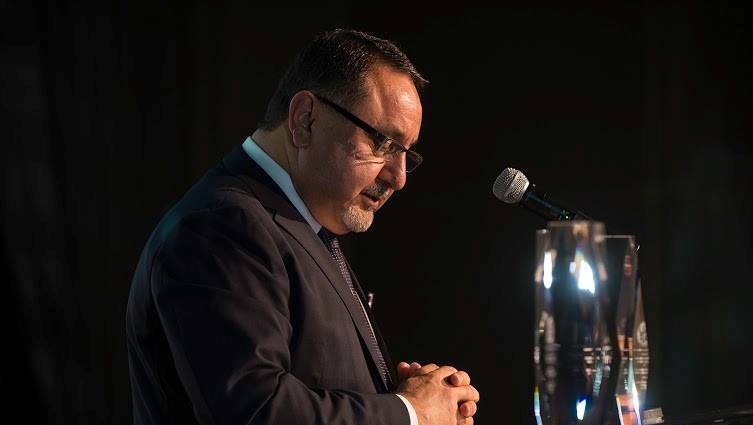
Zamari Kamgar is a name synonymous with connecting Afghanistan, literally. He's the entrepreneur who took on Afghan Post, breathing new life into the nation's postal and courier systems. In a country where infrastructure can be a nightmare, modernizing something as basic yet essential as mail delivery is no small feat. His business sense clearly extends to a deep understanding of what a country needs to function, providing services that enable both domestic and international connectivity for businesses and everyday people.
His work might not grab headlines like a new skyscraper, but it's foundational. It's the kind of quiet, steady impact that keeps an economy moving. However, running a vital public service like a postal system in a country with varied terrain and security concerns must come with a constant headache of logistical challenges. Delays, lost packages, and maintaining a reliable network across remote areas are probably daily battles. It's an essential service, but one that certainly doesn't run itself without a ton of grit and problem-solving.
4. Sadruddin Hashwani
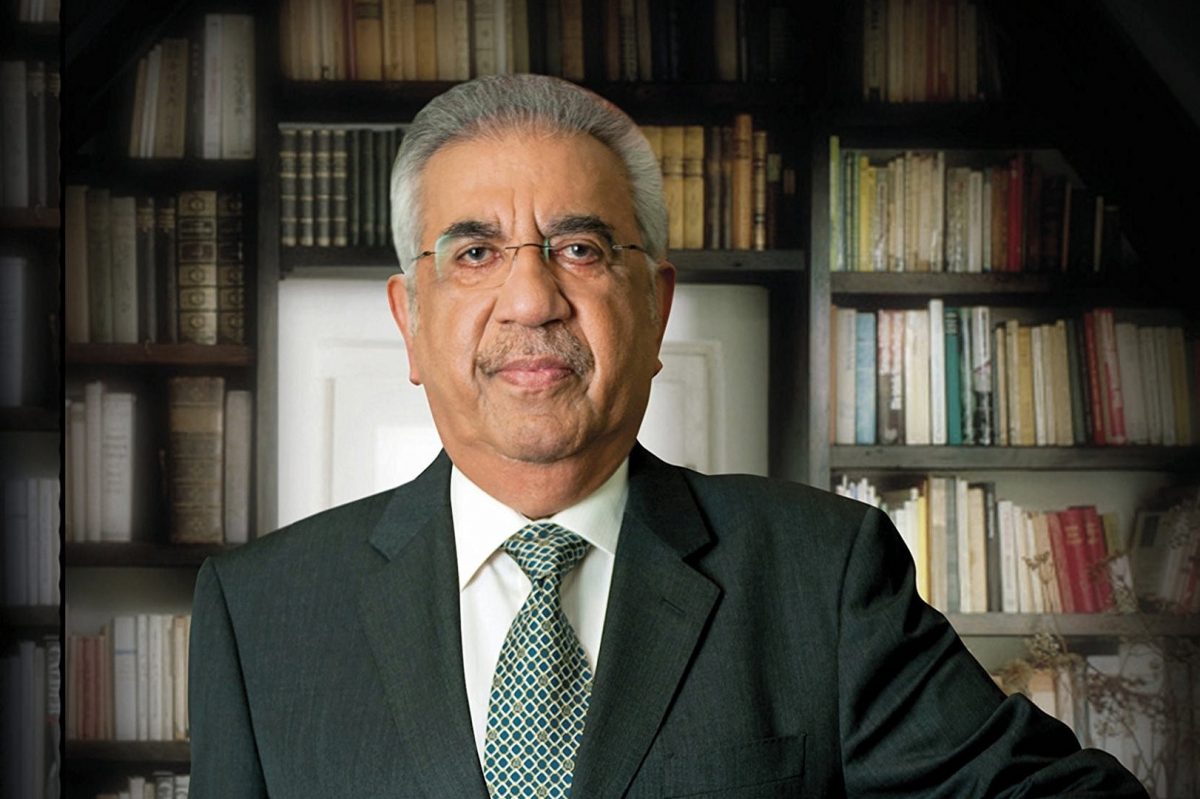 Though mostly a Pakistani magnate, Sadruddin Hashwani’s influence is felt strongly in the larger South Asian area via his large commercial empire including Afghanistan. With interests in hotel (including the Pearl-Continental Hotels & Resorts and Marriott Hotels in Pakistan), oil and gas, real estate, and information technology, he is the founding and chairman of one of Pakistan’s biggest conglomerates, Hashoo Group. Resilience and a strategic vision that have seen Hashwani create a powerful business presence influencing regional trade and investment define his entrepreneurial path.
Sadruddin Hashwani is primarily known as a Pakistani magnate, but his Hashoo Group's reach extends far beyond Pakistan's borders, casting a significant shadow over the broader South Asian region, including Afghanistan. We're talking about a sprawling empire with interests in luxury hotels like Pearl-Continental and Marriott, major plays in oil and gas, real estate, and information technology. His story is one of sheer entrepreneurial grit and a strategic vision that's allowed him to build a business presence influencing regional trade and investment.
His ability to operate and expand across such diverse and often politically sensitive geographies speaks volumes about his resilience. However, navigating the distinct political and economic landscapes of multiple nations, each with its own set of rules and challenges, can be a constant tightrope walk. Maintaining consistency and managing expectations across different regulatory environments must be an ongoing headache, even for someone as experienced as Hashwani. It's a reminder that regional power comes with regional complexities.
5. Mahmood Karzai
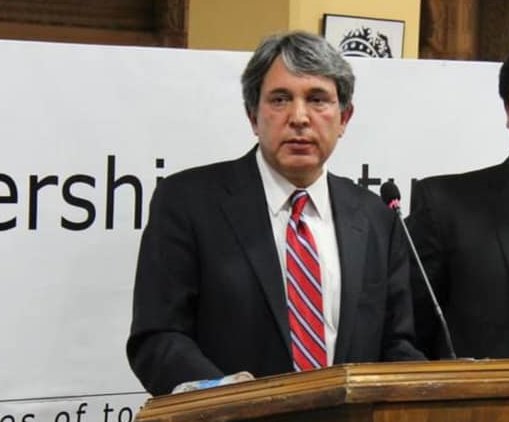
Mahmood Karzai is a name that immediately brings up conversations about the intersection of business and politics in Afghanistan. As the senior brother of former President Hamid Karzai, his commercial interests have naturally been scrutinized. He's been involved in various industries, from automotive to real estate, and has participated in some fairly significant development projects. His influence is undeniable, often intertwined with his family's political stature, which is a common dynamic in many developing nations.
This close connection to political power, while perhaps opening doors, also generates a lot of debate. Critics often question whether business success in such an environment is purely merit-based or if political influence plays an outsized role. It's a difficult line to walk, and it certainly invites accusations of favoritism or undue advantage, regardless of actual wrongdoing. The biggest annoyance for someone in his position must be the constant suspicion and the inability to escape the shadow of his family's political legacy, even if his ventures are legitimate business endeavors.
6. Ismail Ghazanfar
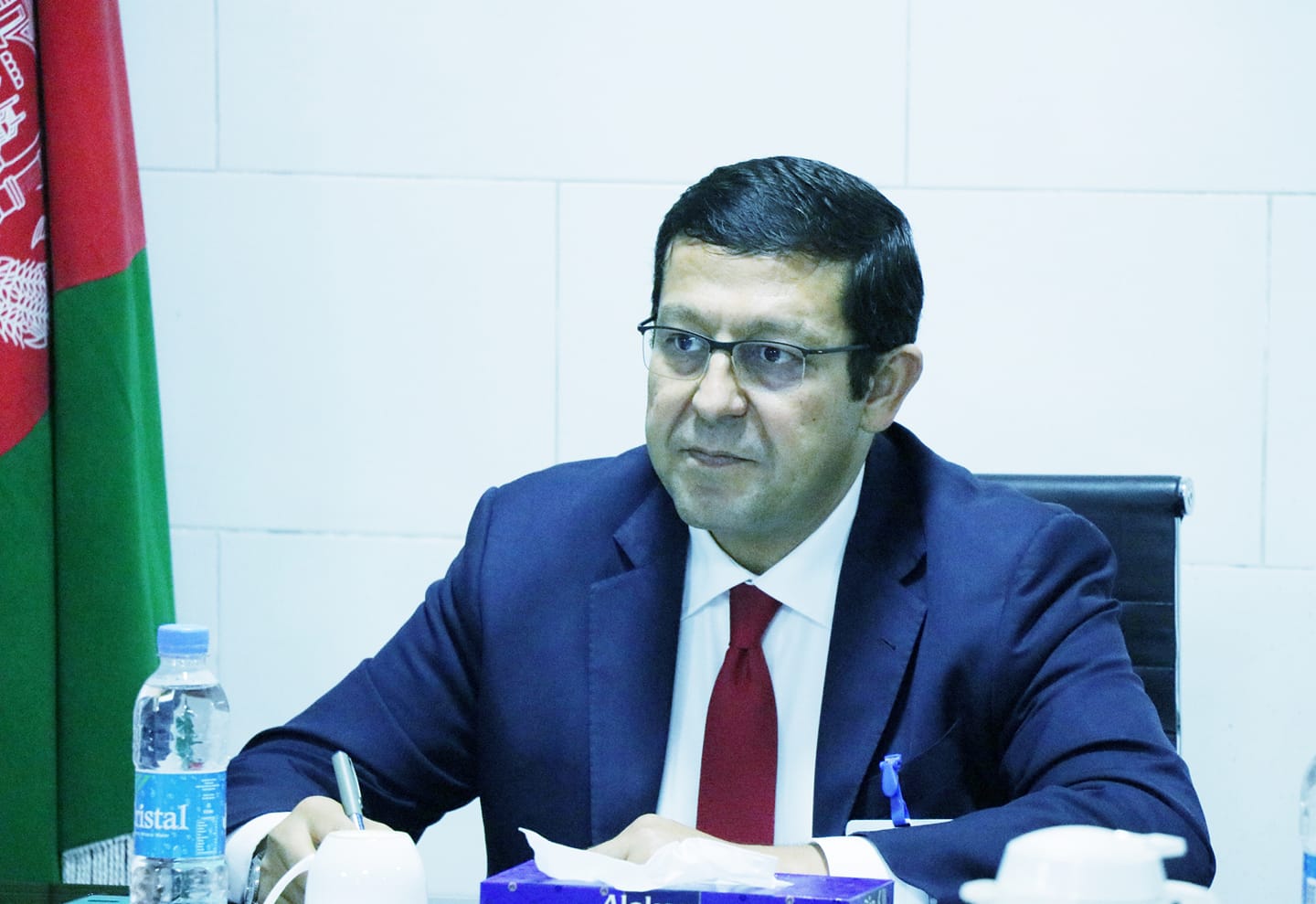
Ismail Ghazanfar hails from the Ghazanfar family, a name that's practically royalty in Afghanistan's business circles. This isn't a new money story; it's a dynasty with a long, storied history in the nation's economy. The Ghazanfar Group is a diverse beast, with fingers in construction, logistics, oil and gas, and manufacturing. Ismail has been instrumental in steering the family's substantial commercial activities, particularly within the energy sector, which is absolutely essential for Afghanistan's development and stability.
The Ghazanfar family's enduring presence in Afghan business is a testament to their incredible flexibility and fortitude, navigating countless political and economic upheavals over the years. That kind of longevity is rare. However, maintaining such a vast family enterprise across generations, especially in a volatile region, must come with its own set of internal challenges. Disagreements over strategy, succession planning, and keeping everyone aligned with the overall vision can be a constant struggle, even for the most established dynasties.
7. Fahim Hashimy
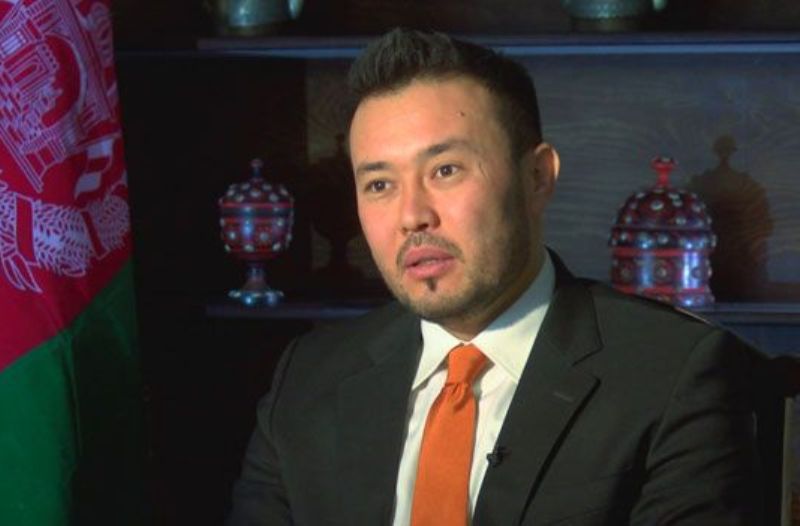
Fahim Hashimy is one of Afghanistan's more dynamic entrepreneurs, clearly someone with an eye on the future. He's got major interests in media, logistics, and aviation, which tells you he's not afraid to tackle complex, high-impact sectors. He founded 1TV, a leading news and entertainment channel that has played a big part in shaping public discourse. Then there's East Horizon Airlines, a venture that's literally helped connect disparate parts of the nation, which is no small feat in Afghanistan.
Hashimy's career really shows a modern approach to business, embracing new technologies and sectors to meet the evolving needs of the Afghan market. He's known for his commitment to media development and a forward-looking perspective. However, operating an airline in Afghanistan must be a logistical and security nightmare. Maintaining flight schedules, ensuring safety, and dealing with the constant uncertainties of the region are monumental challenges that would probably drive most airline executives up the wall. It takes a certain kind of nerve to keep those planes flying.
8. Ajmal Ahmady
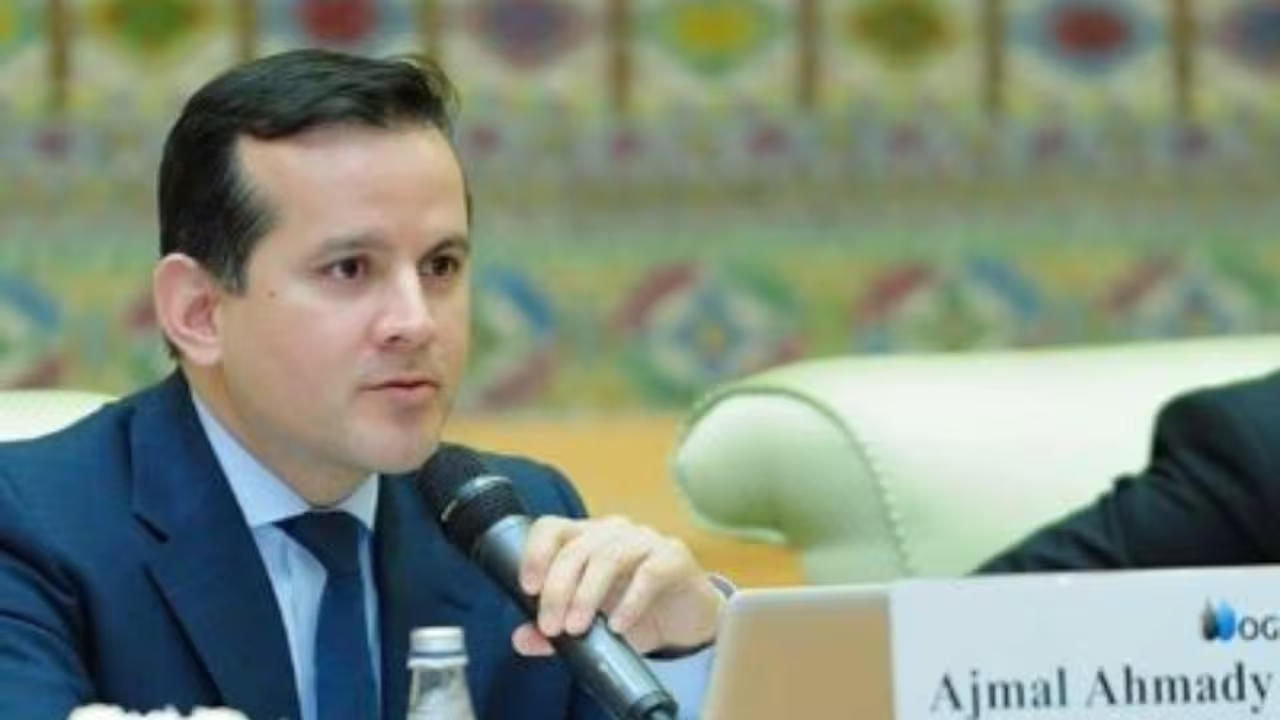
Ajmal Ahmady stands out on this list because his wealth isn't primarily from a personal business empire, but from his significant influence in shaping Afghanistan's economy through public service. As an Afghan-American economist, he's held incredibly influential roles: acting Governor of Da Afghanistan Bank (the central bank), Minister of Commerce and Industry, and Senior Economic Advisor to the President. These aren't just titles; these are positions that directly impact national economic policy, trade, and financial stability.
His deep understanding of economics and policy has positioned him as a key figure in trying to steer Afghanistan's challenging economy. However, holding such high-pressure public roles in a country as volatile as Afghanistan must be an absolute nightmare. Implementing economic reforms, dealing with currency fluctuations, and trying to attract investment amidst constant political shifts and security concerns would be an incredibly frustrating and often thankless task. The pressure to deliver tangible results in such an environment is immense.
9. Sher Khan Farnood

Sher Khan Farnood is a name that evokes both immense ambition and a deep sense of controversy in Afghanistan's economic history. He was a truly prominent figure in the post-Taliban era, best known as the chairman and co-founder of Kabul Bank, which, for a time, was Afghanistan's largest private financial institution. His early career saw him studying chemical engineering and running a hawala- an unofficial money transfer system- in Moscow, laying the groundwork for his financial ventures.
However, Farnood's story is inextricably linked to one of the most infamous financial scandals in Afghanistan's history. The collapse of Kabul Bank was a massive blow to the nation's fragile banking sector and public trust, revealing widespread fraud and mismanagement. It's a stark reminder of the risks and ethical challenges that can arise in rapidly developing, under-regulated economies. The biggest annoyance here isn't a minor business hiccup; it's the lasting impact of the scandal on the perception of financial integrity in Afghanistan, making it harder for legitimate businesses to gain trust and investment.
10. Azrakhsh Hafizi (The Voice of Business)
 Azarakhsh Hafizi
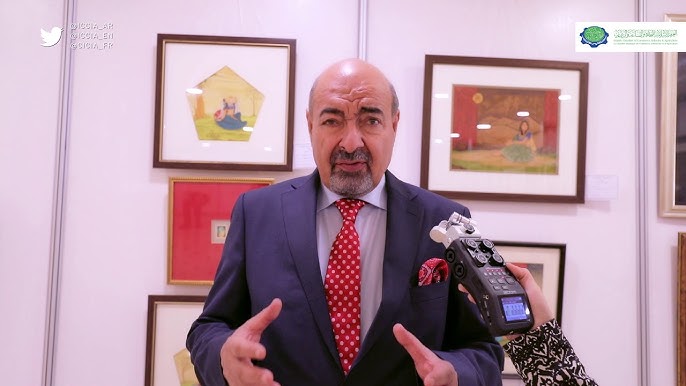
Azrakhsh Hafizi is a highly respected figure in Afghan business circles, though his influence comes less from running a single massive corporation and more from his role as a thought leader and advocate for the private sector. He's well-known for his work in economic development and his leadership in various business associations. He often acts as a spokesperson for the private sector, tirelessly pushing for policies that support economic growth and investment within Afghanistan. He's an economic analyst, an adviser, and a crucial representative for the business community.
His impact lies in shaping the economic debate and the overall business environment in Afghanistan. It's a different kind of power than directly owning vast assets, but no less important. However, the biggest annoyance for someone in his position must be the slow pace of change and the constant uphill battle against bureaucracy, instability, and skepticism from various factions. Trying to implement long-term economic strategies in a country prone to rapid shifts requires immense patience and persistence, and I imagine he faces constant frustrations trying to move the needle.
What Does It All Mean?
So, there you have it. The top economic players in Afghanistan for 2026, as best as we can piece together from the available information. What's clear is that building and maintaining significant wealth in Afghanistan isn't for the faint of heart. It requires a unique blend of resilience, strategic foresight, and often, a willingness to operate in sectors that are foundational to national development, even if they come with immense risks.
These individuals, whether they're building skyscrapers, connecting phone lines, or advocating for better economic policies, are shaping the country's future. Their stories are a mix of incredible success, complex challenges, and sometimes, public scrutiny. It's a reminder that even in the most difficult environments, the human spirit of enterprise finds a way to thrive, albeit often in ways that defy conventional expectations. And for those of us watching from the outside, it's a fascinating, if sometimes frustrating, economic landscape to observe.
Related Posts
Top 10 Best Hospitality Schools In The World (2026 Update): Where Tomorrow's Leaders Train
The world’s top hospitality schools continue to be essential in the context of a global economy because of their emphasis on offering exceptional guest experiences and high-quality service. People who want to work in hotels and other hospitality-related fields are actively looking for educational opportunities that will equip them with the skills and knowledge they […] <a class="g1-link g1-link-more" href="https://nubiapage.com/top-10-best-hospitality-schools-in-the-world-2024-up
Top 10 Greatest Packer Players in the World 2026: Surprising Picks & Legends
The Green Bay Packers, which are considered to be one of the most illustrious franchises in the history of the National Football League, have, throughout its existence, boasted a roster of remarkable talent. The history of the Packers is filled with players that have stood out for some reason, whether it be their iconic Super […] More

Top 10 Biggest Concert Stadiums In The World 2026
In 2026, the world of concert venues includes some of the biggest and most famous stadiums, known for hosting huge crowds and providing live music experiences that are unmatched. The following is a list of the ten largest concert stadiums in the world: List Of Top 10 Biggest Concert Stadiums In The World 2026 1. […] More

Top 10 Richest Chefs in USA 2026: How They Built Culinary Empires
In recent years, the world of celebrity chefs has developed into a multi-billion dollar industry that combines culinary expertise with media savvy, entrepreneurialism, and the development of distinctive brands. In the year 2026, a number of the wealthiest chefs in the United States have not only established themselves as influential figures in the kitchen, but […] More
2 Comments
Join the discussion and share your thoughts