Top 10 Most Dangerous Hackers In The World 2026: Who's Really Running the Show?


Table of Contents
In the rapidly evolving domain of cybersecurity, certain individuals have left an indelible mark, shaping both the defenses and vulnerabilities of our digital infrastructure. Understanding the capabilities and historical impact of these figures is paramount for grasping the ongoing challenges in digital security. Our analysis identifies the Top 10 best Hackers In The World 2026, recognizing their profound influence on the cyber landscape through skill, notoriety, and the lasting consequences of their actions.
Understanding Our Ranking Methodology for the World's Best Hackers
Compiling a definitive list of the world's most influential hackers requires a nuanced approach, particularly when evaluating individuals whose actions span both illicit activities and significant contributions to cybersecurity. For our 2026 ranking, we considered several critical factors to assess who qualifies as among the "best," a term we apply to denote exceptional skill and impact rather than ethical standing. We define "best" in this context as those who have demonstrated extraordinary technical prowess, whether for malicious intent, uncovering vulnerabilities, or pioneering new security paradigms.
Our methodology focuses on several key criteria. First, we evaluate the technical sophistication of their exploits, examining the complexity of the systems breached and the ingenuity of the methods employed. This includes understanding the specific vulnerabilities exploited and the innovative techniques developed. Second, we assess their historical impact and notoriety, considering how their actions influenced public perception, legal frameworks, and the broader cybersecurity community. This factor accounts for individuals who became household names due to their digital intrusions or who significantly altered the trajectory of cybercrime.
Third, we consider the scale and scope of their operations, from the number of systems compromised to the financial or informational value of stolen data. This also encompasses the reach of their influence, whether through creating tools that others adopted or inspiring new generations of cyber practitioners. Finally, we look at their long-term legacy, including those who transitioned from black-hat hacking to ethical security roles, contributing positively to defensive strategies. Our aim is to provide an objective, evidence-based assessment of individuals who, for better or worse, have undeniably shaped the digital world we navigate today.
The List Of The Top 10 best Hackers In The World 2026:
1. Kevin Mitnick
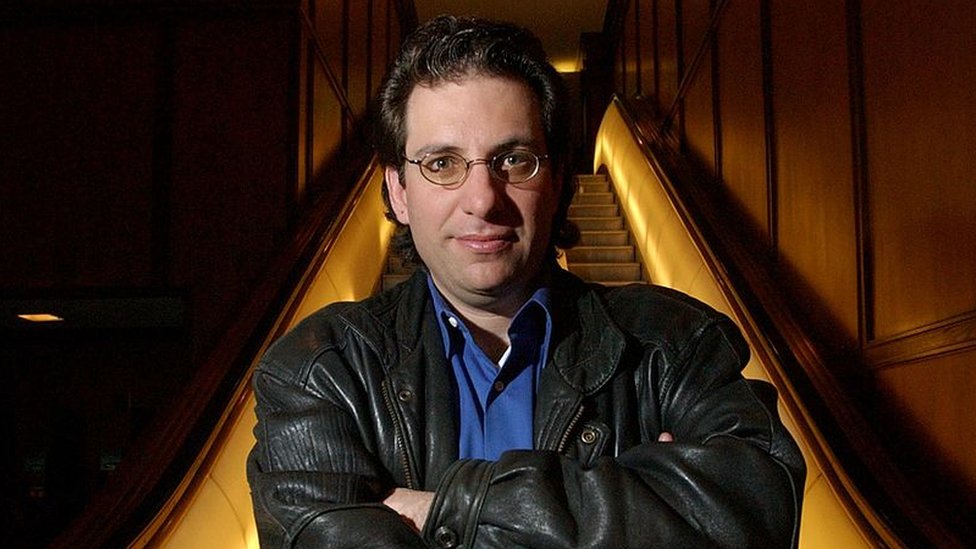
Widely recognized as one of history's most prominent black-hat hackers, Kevin Mitnick, known by his alias "The Condor," carved out a legendary reputation during the 1980s and 1990s. His mastery of social engineering allowed him to bypass technical safeguards and infiltrate some of the most secure corporate and government networks. Mitnick's exploits included breaching systems belonging to technology giants like IBM and Nokia, as well as accessing sensitive data from the Pentagon.
His methods often involved manipulating individuals to reveal critical information or grant access, demonstrating a profound understanding of human psychology as a vulnerability. After a highly publicized pursuit by law enforcement, culminating in a five-year prison sentence, Mitnick underwent a significant transformation. Following his release in 2000, he reinvented himself as a respected white-hat cybersecurity consultant. He dedicated his subsequent career to exposing digital vulnerabilities and providing security services to organizations globally, a testament to his unparalleled insight into both offensive and defensive cyber tactics. Mitnick's journey from a notorious cybercriminal to a trusted security advisor solidified his place as a pivotal figure, influencing both the technical and ethical dimensions of hacking until his passing in 2023.
2. Adrian Lamo
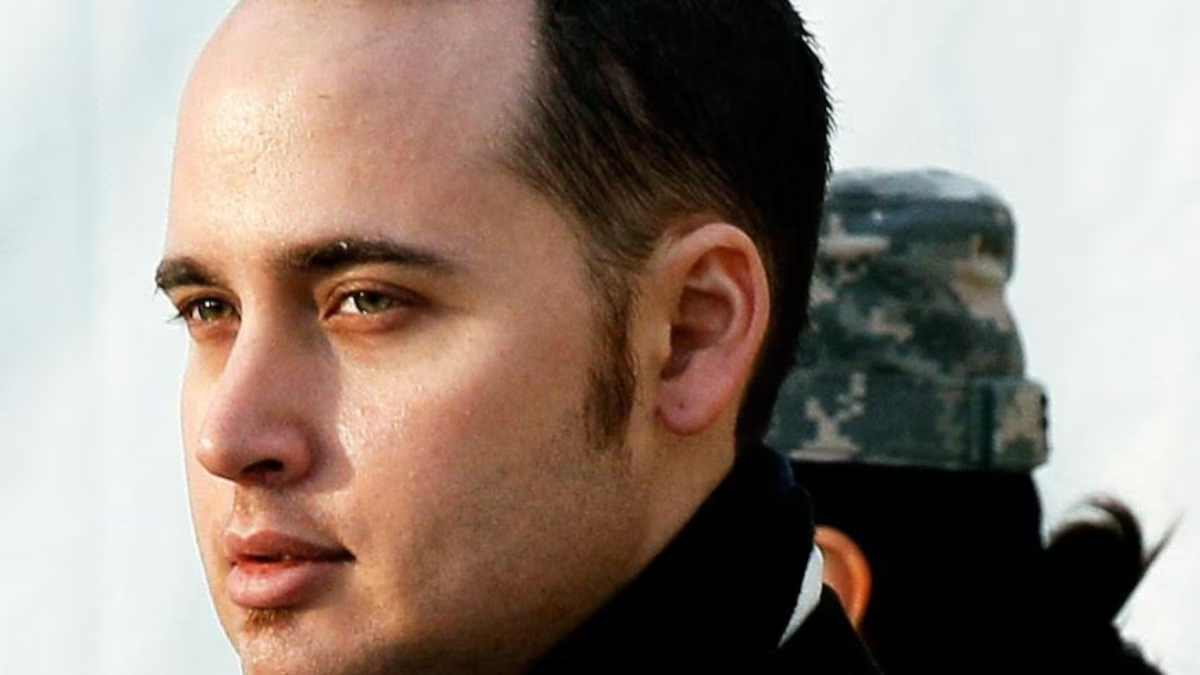
Adrian Lamo, often referred to as the "homeless hacker," gained significant notoriety for his unique approach to cyber intrusions. Lamo's nomadic lifestyle meant he often conducted his sophisticated hacking operations from internet cafes, libraries, and other public access points. His primary method involved exploiting security weaknesses in high-profile computer networks, not typically for malicious destruction or financial gain, but to expose vulnerabilities. He would frequently inform the affected organizations of their security flaws after gaining access, a practice that blurred the lines between malicious hacking and responsible disclosure.
Among his most notable breaches were intrusions into the systems of major entities such as The New York Times, Microsoft, and Yahoo!. These incidents consistently highlighted significant security gaps within these large corporations. Beyond his hacking exploits, Lamo later transitioned into a role as a threat analyst. He gained further public attention in 2010 when he exposed Chelsea Manning as the source of classified documents leaked to WikiLeaks, a controversial action that sparked extensive debate about ethics, whistleblowing, and journalistic responsibility. Lamo's complex legacy reflects a hacker driven by curiosity and a desire to reveal systemic weaknesses, ultimately impacting both corporate security and national discourse.
3. Gary McKinnon
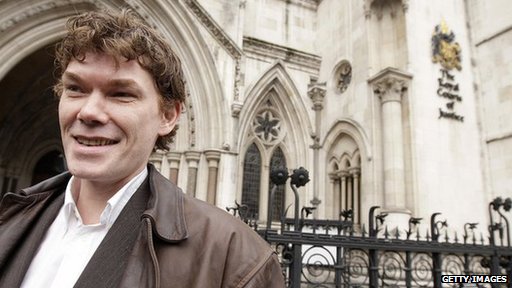
Gary McKinnon, a Scottish systems administrator, became the focus of a prolonged international legal battle following what U.S. authorities described as the "biggest military computer hack of all time." Between February 2001 and March 2002, McKinnon successfully breached 97 computer systems belonging to the U.S. military and NASA. His intrusions were extensive, leading to the deletion of critical files, including operating system files, which rendered thousands of computers inoperable. The estimated damage from his actions exceeded $700,000, severely disrupting military operations and research efforts.
McKinnon's defense for his actions was highly unconventional; he claimed he was searching for evidence of unidentified flying objects (UFOs) and suppressed free energy technology within government networks. He asserted that he found evidence of "non-terrestrial officers" and "fleet-to-fleet transfers." This claim, while speculative, underscored a broader interest in government transparency and hidden information. The U.S. government sought his extradition for years, facing strong opposition due to concerns about his mental health and the severity of potential U.S. sentencing. The protracted legal struggle highlighted the complexities of international cybercrime jurisdiction and the differing legal and public perceptions of hacking motivations. McKinnon's case remains a landmark example of a single individual causing significant national security disruption.
4. Jonathan James

Operating under the pseudonym "c0mrade," Jonathan James achieved a dubious distinction at the age of just 15, becoming the first juvenile in the United States to be incarcerated for cybercrime. His precocious technical abilities allowed him to penetrate highly secure computer systems belonging to prestigious government organizations, including NASA and the Defense Threat Reduction Agency (DTRA). These breaches occurred between 1999 and 2000, when he was still a minor.
James's most significant exploit involved stealing proprietary software from NASA, valued at approximately $1.7 million. This software was crucial for controlling the International Space Station's environmental systems, including temperature and humidity. His intrusion forced NASA to shut down its computer systems for three weeks to identify and patch the vulnerability, incurring significant costs and operational delays. He also accessed sensitive data from the DTRA, a U.S. Department of Defense agency, including usernames and passwords. These events highlighted critical vulnerabilities in federal cybersecurity infrastructure and underscored the potential for even young, unsophisticated actors to cause substantial disruption. James's case served as an early warning about the evolving nature of cyber threats and the need for robust security measures across all sectors.
5. Kevin Poulsen
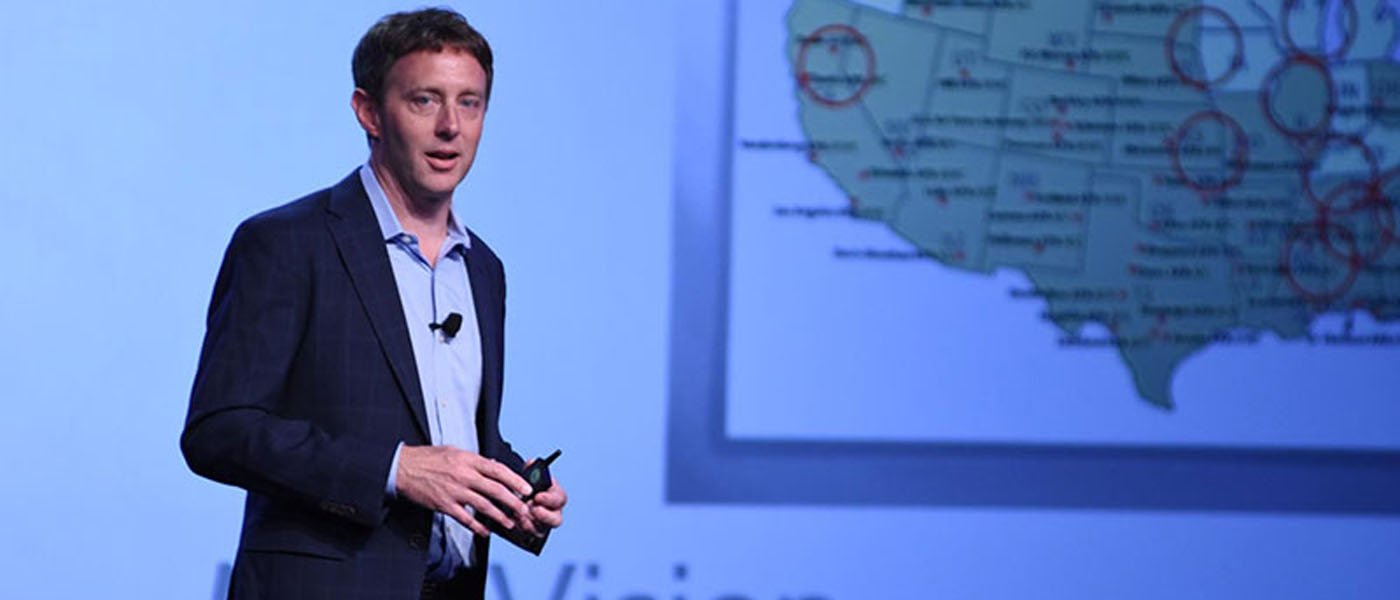
Kevin Poulsen, known by his hacker alias "Dark Dante," rose to prominence in the 1980s for his exceptional skills in phone phreaking and computer hacking. Poulsen's exploits were characterized by their ingenuity and daring. His most famous stunt involved manipulating telephone lines to ensure he won valuable prizes, including a Porsche 944 S2, in radio station call-in contests in Los Angeles. He would take over all phone lines leading to the radio station, guaranteeing his call was the winning one. This demonstrated a sophisticated understanding of telecommunication infrastructure and network control.
After a period spent on the run from the Federal Bureau of Investigation, during which he continued his hacking activities, Poulsen was eventually apprehended and served a five-year prison sentence. His arrest and subsequent conviction highlighted the legal ramifications of such high-tech intrusions. Following his release from prison, Poulsen embarked on a remarkable career transition. He became a respected cybersecurity journalist and senior editor at Wired News, where he focused on investigating cybercrime, security vulnerabilities, and privacy issues. His unique perspective, gained from years on both sides of the digital divide, allowed him to provide insightful and authoritative commentary on the evolving landscape of cyber threats and defenses, solidifying his legacy as a hacker who successfully pivoted to contribute to digital security awareness.
6. Mark Abene (Phiber Optik)
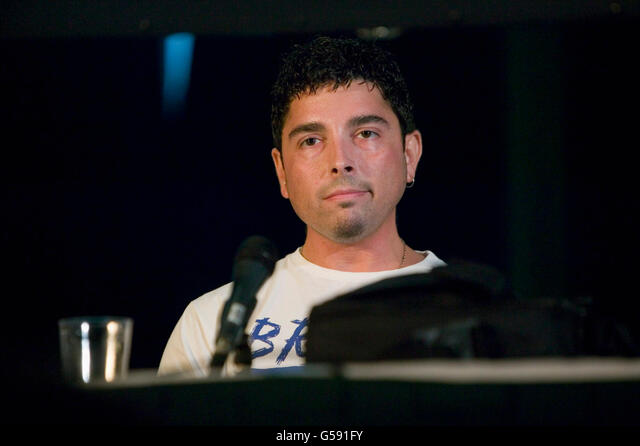
Mark Abene, widely recognized by his hacker handle "Phiber Optik," was a central figure in the vibrant and often rebellious hacking culture of the late 1980s and early 1990s. He co-founded the infamous Masters of Deception (MoD) group, a collective of talented hackers known for their deep dives into telecommunication systems and phone phreaking. Unlike some of their contemporaries who engaged in destructive activities, MoD members often explored these systems out of intellectual curiosity and a desire to understand how they functioned, pushing the boundaries of network exploration rather than malicious damage.
Their exploits involved navigating complex phone networks, often for the challenge of it, which led to unauthorized access to systems belonging to major corporations such as AT&T, Bank of America, and even the National Security Agency (NSA). In 1992, Abene and several other MoD members were arrested and charged with conspiracy to commit computer fraud. Abene's subsequent imprisonment sparked considerable debate within the hacker community and beyond, with many viewing him as a scapegoat rather than a malicious criminal. After serving his time, Abene transformed his expertise into a career as a respected security consultant, advocating for responsible disclosure of vulnerabilities and contributing to defensive cybersecurity strategies. His journey exemplifies the complex ethical considerations surrounding early hacking activities and the potential for former intruders to become valuable assets in protecting digital assets.
7. Jeanson James Ancheta
Jeanson James Ancheta is recognized for pioneering the large-scale deployment and monetization of botnets, a significant turning point in the evolution of cybercrime. A botnet is a network of compromised computers, or "bots," controlled remotely by a hacker without the owners' knowledge. These networks can be used for a variety of malicious purposes, from launching distributed denial-of-service (DDoS) attacks to sending spam or installing adware.
In 2005, Ancheta achieved the unwelcome distinction of becoming the first individual in the United States to be charged and convicted specifically for controlling a botnet. He was found guilty of using his botnet to conduct DDoS attacks against various websites and, more lucratively, to install adware on thousands of infected machines. His operation involved compromising numerous computers, often through outdated software vulnerabilities, and then renting out access to this network to other cybercriminals. Ancheta's case underscored the emerging threat of automated, distributed cyberattacks and the increasingly sophisticated methods used to monetize compromised systems. His conviction set a legal precedent and highlighted the critical need for robust network security and endpoint protection against these pervasive and insidious forms of digital intrusion. His actions were a stark illustration of the shift towards financially motivated, organized cybercrime.
8. Anonymous
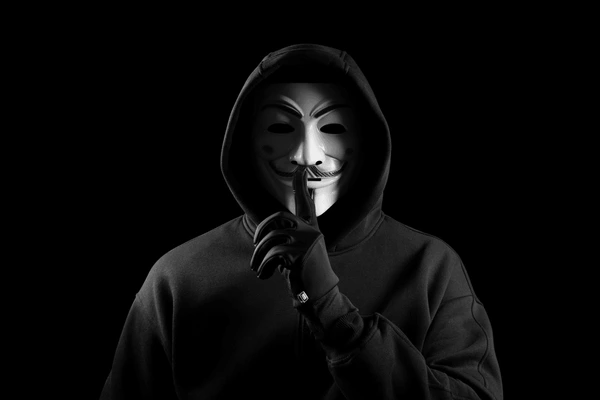
Anonymous stands as one of the most recognizable and influential decentralized international hacktivist collectives in the digital realm. Operating without a central leadership structure, the group is characterized by its iconic Guy Fawkes mask imagery and its powerful, often quoted slogan: "We are Anonymous. We are Legion. We do not forgive. We do not forget. Expect us." Anonymous engages in various cyberattacks and online protests against governments, corporations, and religious organizations, driven by a diverse set of ideological motivations.
The collective's campaigns typically aim to promote freedom of speech, advocate for transparency, and protest perceived censorship, corruption, or injustice. Their actions range from website defacements and DDoS attacks to data leaks, often executed to draw public attention to specific causes. Notable campaigns include #OpISIS, launched against the Islamic State to disrupt their online propaganda and recruitment efforts, and #OpRussia, initiated in response to geopolitical conflicts, targeting Russian government and state-affiliated entities. While their methods are often controversial and legally ambiguous, Anonymous has undeniably become a powerful, if unpredictable, force in the cyber world, capable of mobilizing significant online resources to influence public discourse and challenge established powers.
9. LulzSec
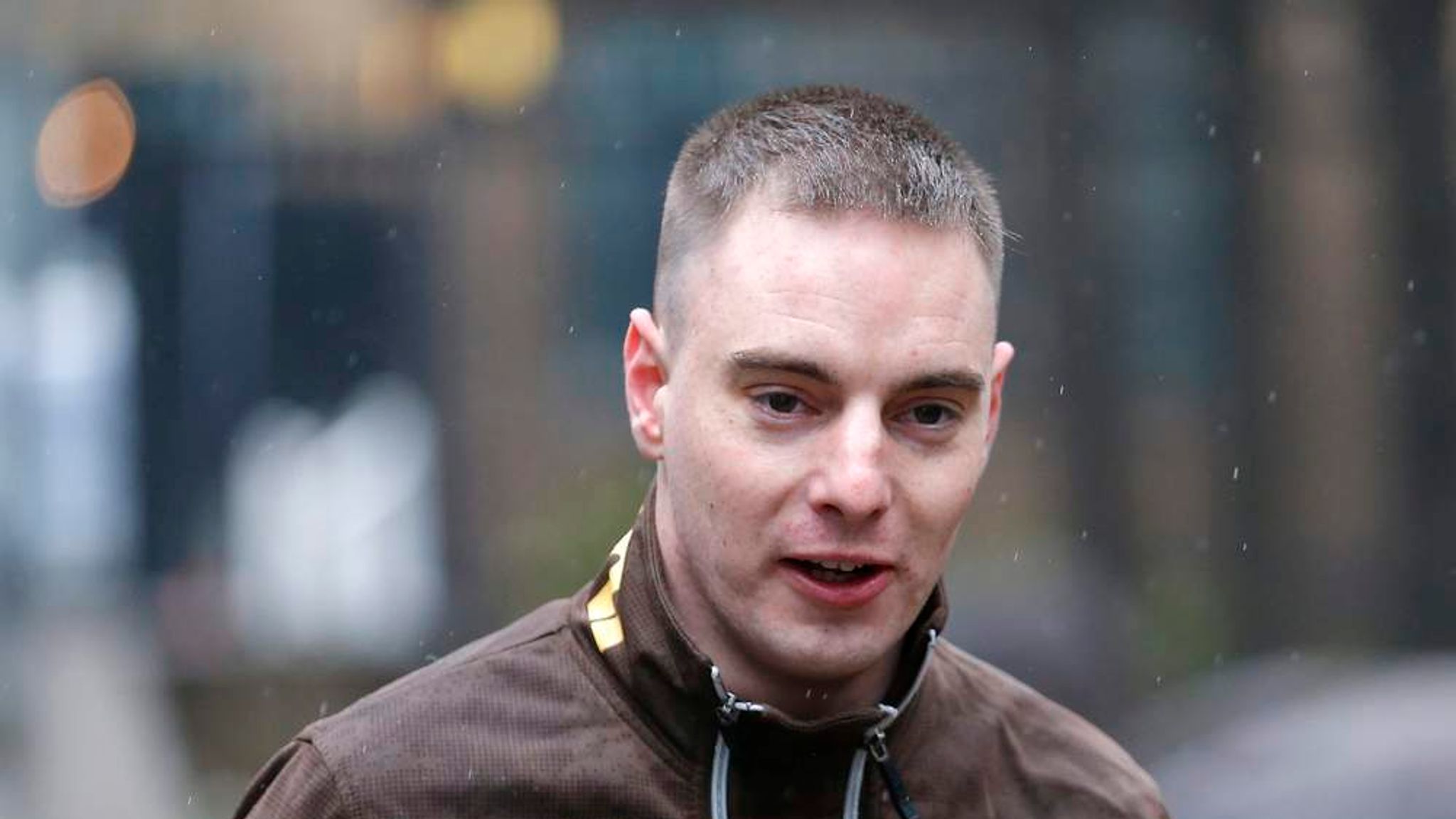
LulzSec was a highly visible and impactful black-hat hacking group that operated for a brief but intense period in 2011. Composed of a small, core group of individuals, LulzSec gained significant media attention for its audacious, high-profile attacks against major corporations and government entities. The group often claimed their motivations were for "lulz," an internet slang term for "laughs," and to expose perceived hypocrisy or security flaws within large organizations.
Among their most notorious breaches were successful intrusions into the systems of Sony Pictures, the Central Intelligence Agency (CIA), the Public Broadcasting Service (PBS), and Fox.com. These attacks frequently resulted in the leakage of sensitive data, including customer information, internal documents, and network configurations, causing considerable financial and reputational damage. LulzSec's actions, often accompanied by taunting messages and public announcements, highlighted the vulnerabilities of even well-resourced organizations. The group's short but impactful reign eventually came to an end with the arrest of several key members, including its leader, Sabu (Hector Monsegur), who became an FBI informant. Despite its dissolution, LulzSec left a profound impact on discussions surrounding cyber warfare, corporate security, and the public's awareness of digital vulnerabilities.
10. HD Moore

H.D. Moore is a highly respected ethical hacker and cybersecurity researcher, best known as the creator of the Metasploit Framework. This open-source project, initiated in 2003, revolutionized the field of penetration testing by providing a comprehensive platform for developing, testing, and executing exploit code. Prior to Metasploit, security professionals often relied on disparate tools and custom scripts, making vulnerability assessment a more fragmented process. Moore's framework standardized and streamlined this critical aspect of cybersecurity, making it an indispensable tool for security analysts, penetration testers, and researchers worldwide.
Metasploit allows users to simulate real-world attacks to identify and verify security weaknesses in systems, helping organizations strengthen their defenses before malicious actors can exploit them. Moore's contributions extend beyond Metasploit, encompassing extensive work in vulnerability research and network security. He continues to be a vocal advocate for security awareness and responsible disclosure. As the Founding CTO at runZero, a company focused on asset inventory and network visibility, Moore remains at the forefront of modern cybersecurity innovation, continually shaping the tools and methodologies used to protect digital infrastructure. His legacy lies in empowering security professionals with robust, accessible tools to understand and counter emerging cyber threats.
The individuals highlighted in our best Hackers In The World 2026 ranking represent a diverse spectrum of talent, motivation, and impact within the cybersecurity domain. From pioneering social engineers and phone phreaks to the architects of global botnets and influential hacktivist collectives, their stories underscore the constantly evolving nature of digital threats and defenses. Each figure, whether operating within legal boundaries or venturing beyond them, has contributed to our collective understanding of system vulnerabilities and the critical importance of robust security measures.
As technology advances, so too do the methods and sophistication of those who seek to exploit it. The figures on this list, some who transitioned to ethical hacking and others whose legacies remain controversial, serve as a stark reminder that the human element, whether through ingenuity or fallibility, remains central to cybersecurity. Our ongoing vigilance and commitment to understanding the intricacies of both offensive and defensive cyber tactics are essential to navigating the complex digital future.
Related Posts

Top 10 Female Hockey Players in 2026: Meet the Game's Brightest Stars
Women’s ice hockey has experienced significant growth and development by 2026, with players from all over the world demonstrating outstanding skill, leadership, and commitment to the sport. The following is a detailed summary of the top ten female hockey players in the world in 2026, emphasizing their contributions to the game and their impact on […] More

Top 10 Best Hospitality Schools In The World (2026 Update): Where Tomorrow's Leaders Train
The world’s top hospitality schools continue to be essential in the context of a global economy because of their emphasis on offering exceptional guest experiences and high-quality service. People who want to work in hotels and other hospitality-related fields are actively looking for educational opportunities that will equip them with the skills and knowledge they […] <a class="g1-link g1-link-more" href="https://nubiapage.com/top-10-best-hospitality-schools-in-the-world-2024-up
Top 10 Greatest Packer Players in the World 2026: Surprising Picks & Legends
The Green Bay Packers, which are considered to be one of the most illustrious franchises in the history of the National Football League, have, throughout its existence, boasted a roster of remarkable talent. The history of the Packers is filled with players that have stood out for some reason, whether it be their iconic Super […] More

Top 10 Biggest Concert Stadiums In The World 2026
In 2026, the world of concert venues includes some of the biggest and most famous stadiums, known for hosting huge crowds and providing live music experiences that are unmatched. The following is a list of the ten largest concert stadiums in the world: List Of Top 10 Biggest Concert Stadiums In The World 2026 1. […] More
43 Comments
Join the discussion and share your thoughts