Top 10 Largest Lakes In Africa 2026

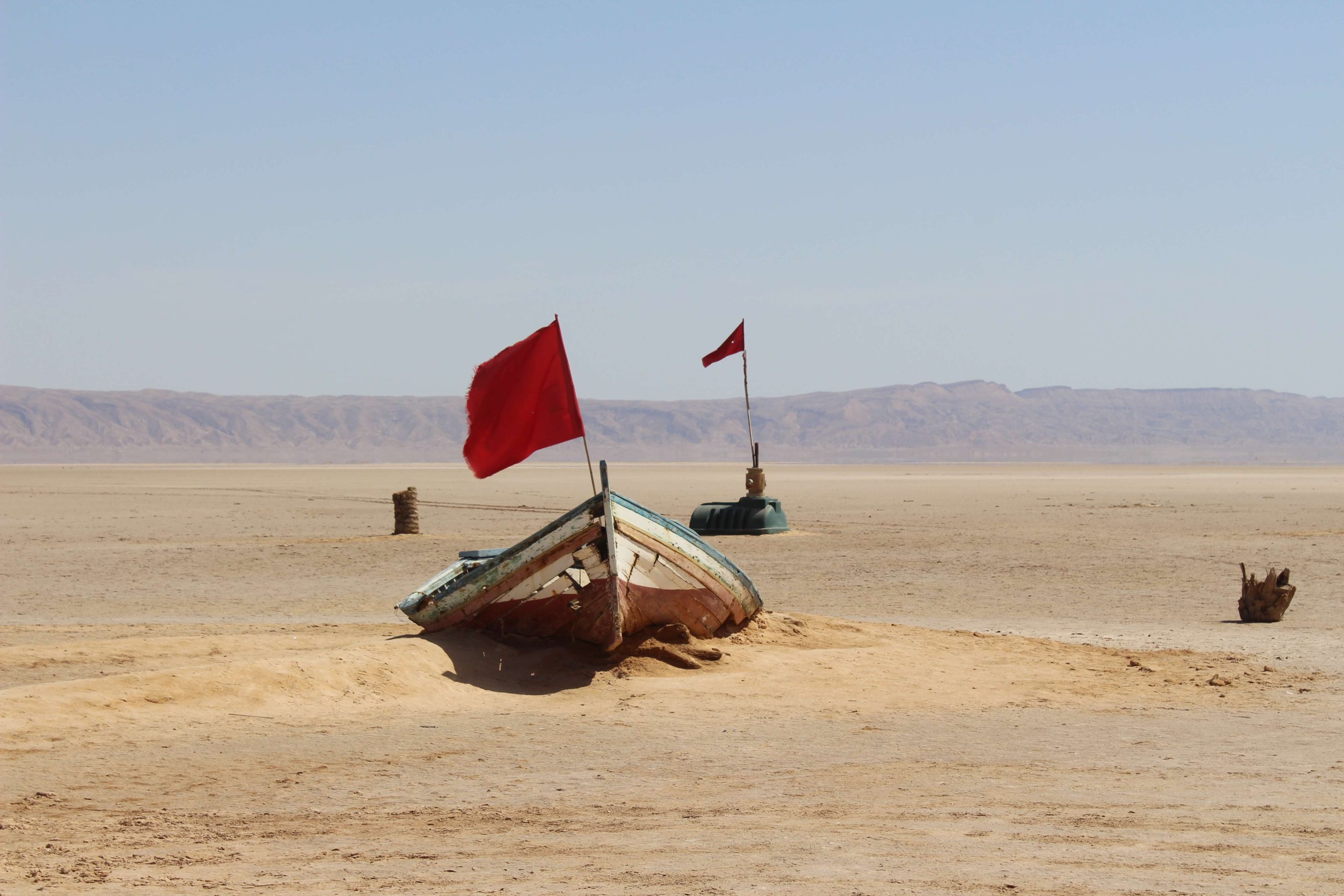
Table of Contents
People often praise Africa for its beautiful deserts, thick rainforests, and wide-open savannas. The continent is full of amazing differences and deep beauty. But the continent’s enormous lakes, which are its lifeblood, are what make its beautiful landscape so special. These aren’t just lakes; they’re huge inland seas, each with its own personality, long history, and ecosystem that has supported civilizations for thousands of years. As we look ahead to 2026, it’s more important than ever to understand these gigantic animals that live in water. They are facing two big problems: changes in the environment and more people relying on them.
These huge bodies of water are more than just physical features; they are also important for culture, the economy, and the environment. They control the weather, support an incredible variety of life, and have been home to both ancient kingdoms and modern states. The lakes of Africa are important to the continent’s past, present, and future. They are home to millions of people who fish in them and are popular with tourists from all over the world.
But the story of Africa’s lakes is always changing. The size and health of these lakes might change from year to year because of things like climate change, rules for managing water, and attempts to protect the environment. A lake that was getting smaller might start to grow again, while another lake might have to deal with new problems. A 2025 perspective is very important since the story keeps changing. It lets us take a current picture and see these natural treasures as alive, breathing things instead of just static points on a map.
With this attitude of modern discovery and genuine respect, we at Nubia Magazine begin this voyage into the water. We want to help you get past the shiny surfaces and into the depths of Africa’s biggest lakes. We have put together the final list for 2025, rating them by surface area. This will provide you a clear and complete overview to the ten biggest lakes in Africa. Get ready to be astounded by how big, beautiful, and important these amazing natural treasures are.
List Of Top 10 Largest Lakes In Africa 2026
1. Lake Victoria
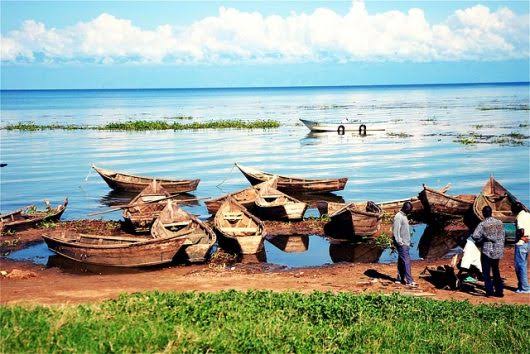
Legendary Lake Victoria has been at the top of the list for hundreds of years. It has a surface area of about 59,947 square kilometers, making it the largest lake in Africa for 2026, the largest tropical lake in the world, and the second-largest freshwater lake on Earth by surface area. Lake Victoria is the main source of water for the Nile River. It is a geographical feature of great historical significance that is shared by Tanzania, Uganda, and Kenya. With horizons that go on forever to the sky, its huge, open waters often look more like an ocean than a lake. The lake has one of the most diversified and dense freshwater fisheries in the world. It provides food and jobs for tens of millions of people who live in its basin. But with this great importance comes a lot of problems. Lake Victoria is under danger from pollution, the invasive water hyacinth, and too much fishing. This makes it very important for the region to manage the lake in a way that will last. Its health is a sign of how well a large part of East Africa’s people is doing.
2. Lake Tanganyika
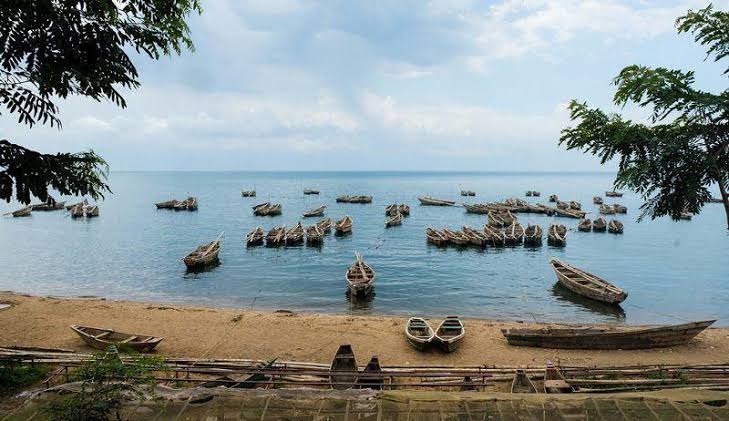
Lake Tanganyika is a real geological wonder because it is the second largest freshwater lake in the world by volume. It is the second largest lake in Africa 2026 by surface area (around 32,900 square kilometers), but its depth is what really makes it stand out. It is also the second-deepest lake in the world, with a depth of 1,470 meters. This ecosystem is one of a kind since it is so deep and has been around for millions of years. A large number of its thousands of species of fish, plants, and invertebrates can only be found there, making it a live example of how evolution works. Lake Tanganyika is a vital transportation route and food source. It is surrounded by Tanzania, the Democratic Republic of the Congo, Burundi, and Zambia. Its clean waters are home to a wide variety of plants and animals, but they are also vulnerable to climate change and sedimentation, which shows how important it is to protect them across borders.
3. Lake Malawi
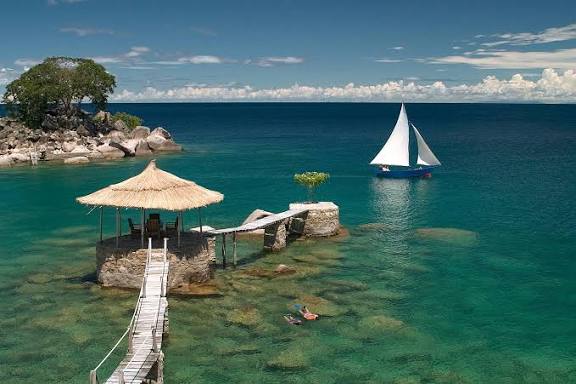
Lake Malawi, often called Lake Nyasa, is the third largest lake in Africa in 2026. It covers roughly 29,600 square kilometers. This lake in the Great Rift Valley is famous for its spectacular beauty, with rough shorelines, sandy beaches, and water that is quite clean. But its real fame is hidden. Lake Malawi is home to the most diversified assemblage of fish species in the world, with its cichlid population being a textbook illustration of accelerated evolution. Hundreds of species of these vividly colored fish have developed from a small number of forebears, adapting to every possible niche in the lake. The lake is a UNESCO World Heritage Site because it is important for the study of evolution around the world. It is shared by Malawi, Mozambique, and Tanzania. It is a source of amazement, food, and fun for both locals and tourists. Its waters sustain thriving fishing towns and a developing tourism economy.
4. Lake Bangweulu
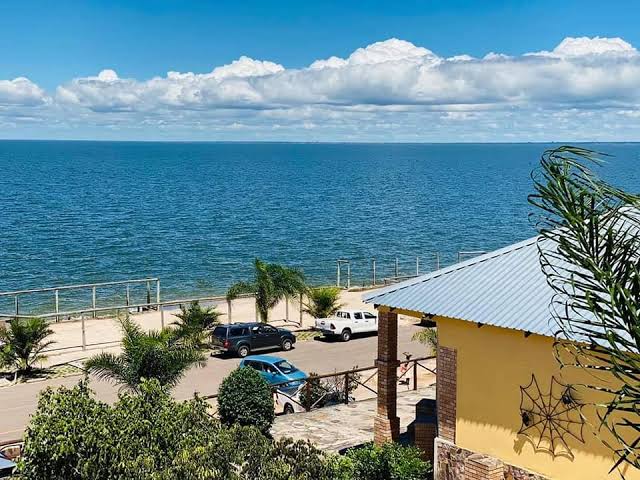
Bangweulu means “where the water meets the sky,” which is a perfect way to describe this one-of-a-kind water system. Lake Bangweulu is actually a huge wetland with a permanent lake, large swamps, and a floodplain. Its area can grow to almost 15,000 square kilometers during the wet season. It located in northeastern Zambia, and its size changes a lot with the seasons, but its ecological importance stays the same. This complicated ecology is home to huge groups of waterbirds, like the famous shoebill stork, and it is also a very important fishing area for the Bemba people. A typical African experience is to go through its waterways and flooded grasslands. This gives you a taste of a world where land and water are always connected. Its place on this list shows how changing Africa’s water landscapes are.
5. Lake Volta
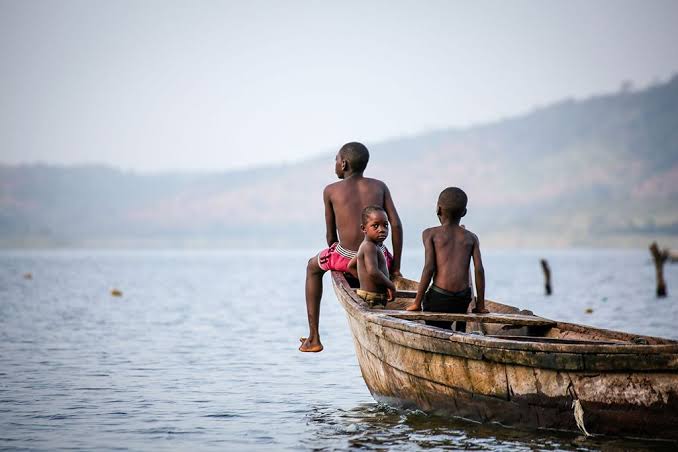
Lake Volta is the biggest man-made lake in the world by surface area, covering an amazing 8,502 square kilometers. It is a tribute to human ambition and engineering. This huge reservoir, which was built in 1965 after the Akosombo Dam was built on the Volta River, dominates the landscape of Ghana. Its main job was to make hydroelectric electricity for the country, and it still does that. But it has also become an important element of Ghana’s economy. The lake has a large commercial fishing sector and is an important transportation route, with ferries connecting different settlements along its shoreline. Lake Volta is one of the greatest lakes in Africa in 2026. It was made at a huge social and environmental cost, including displacing many populations. It is a powerful example of how people can change the terrain of a continent.
6. Chott el Djeri
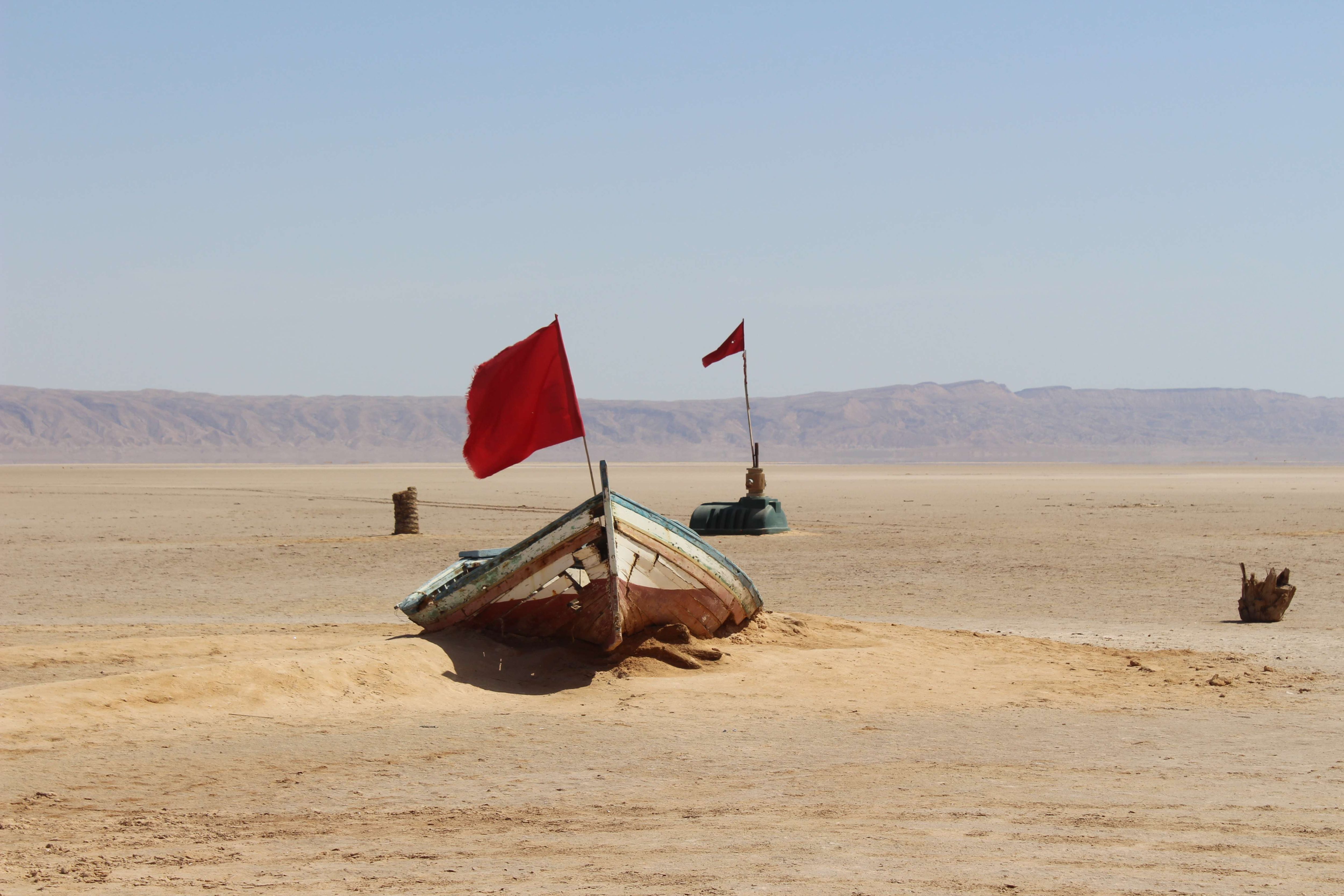
When we get far into the Tunisian Sahara, we find a lake that is really distinct from the others. Chott el Djerid is a huge endorheic salt lake, or chott, that is one of the largest lakes in Africa by surface area. It covers more than 7,000 square kilometers. It is a huge, shimmering expanse of dazzling white salt crust for most of the year. It is a strange and lovely place. A tiny layer of water can turn it into a beautiful mirror that reflects the sky in the desert after rare, strong storms. This strange landscape, known for its mirages, has been the setting for classic movies like Star Wars. Chott el Djerid is an ecological wonder, a site with harsh conditions that reminds us of the many different shapes that the continent’s “lakes” might take. It doesn’t support aquatic life in the usual way.
7. Chott Melrhir
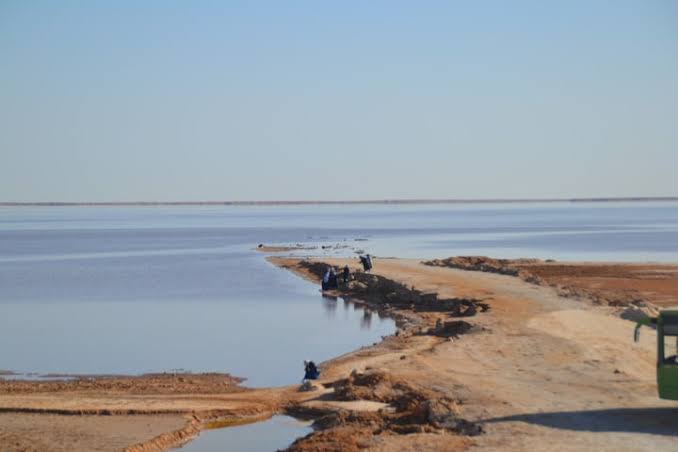
Chott Melrhir is a big endorheic salt lake in northeastern Algeria, just like the one in Tunisia. It is one of the lowest places in Algeria, at 40 meters below sea level. It collects water from the surrounding plains, which swiftly evaporates in the hot desert heat, leaving behind a crust of salt and minerals. The area of its surface can change a lot, but it can be more than 6,700 square kilometers, which is why it is on our list. The lake’s basin is an important part of the area’s water system, and its harsh, mineral-rich topography is home to unusual halophilic (salt-loving) plants and microbes. The teams think that to really appreciate all of Africa’s landscapes, from the water-rich vast lakes to these dry, mineral-rich beauties, they need to know about these kinds of severe conditions.
8. The Jade Sea
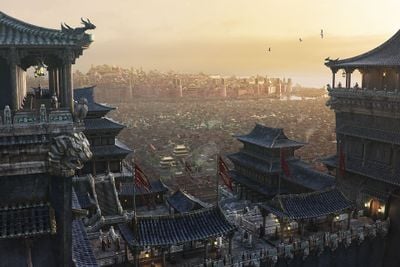
Lake Turkana is a beautiful and rough lake in the Kenyan Rift Valley, with a small part that goes into Ethiopia. It is often called the “Jade Sea” because of its remarkable turquoise-green color. It is the biggest permanent desert lake and the biggest alkaline lake in the world. It is a UNESCO World Heritage Site because it is so important to archaeology, having fossil deposits that have helped us understand how humans evolved. It covers about 6,405 square kilometers. Its waters are salty, yet they are full of life, including the world’s largest population of Nile crocodiles and huge flocks of flamingos. But Lake Turkana’s future is not clear. Building dams upstream on the Omo River, its main tributary, might cause its water levels to drop dramatically, making its protection a matter of urgent international concern.
9. Lake Rukwa
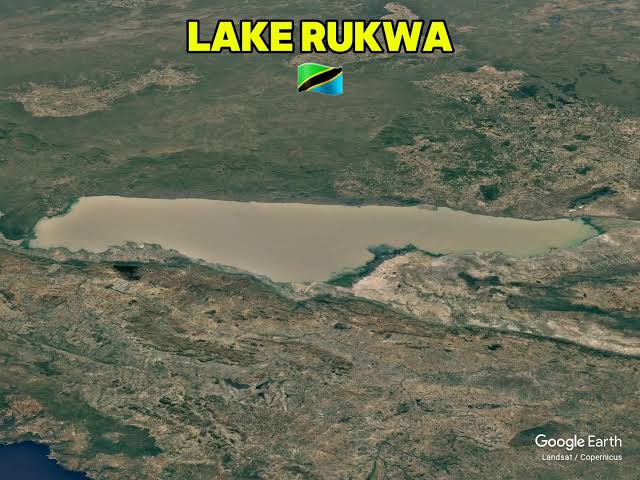
Lake Rukwa in southeastern Tanzania is a lake that changes a lot. Its size has changed a lot over time, from a few hundred square kilometers to more than 5,760 square kilometers, depending on how much rain falls. This endorheic lake, which means it doesn’t flow into the sea, is a changing and unpredictable ecology. The fact that its shores are always changing makes it a particularly interesting subject to research. The changing shores provide a mosaic of habitats that support a wide range of fauna, including big groups of hippos and crocodiles. The lake’s fishing is very important to the people who live nearby, and its distant location has kept the feeling of wild, untamed Africa. Its evolving nature is a strong reminder that the list of the greatest lakes in Africa in 2026 is not set in stone but rather a representation of a continent that is always changing.
10. Lake Kariba
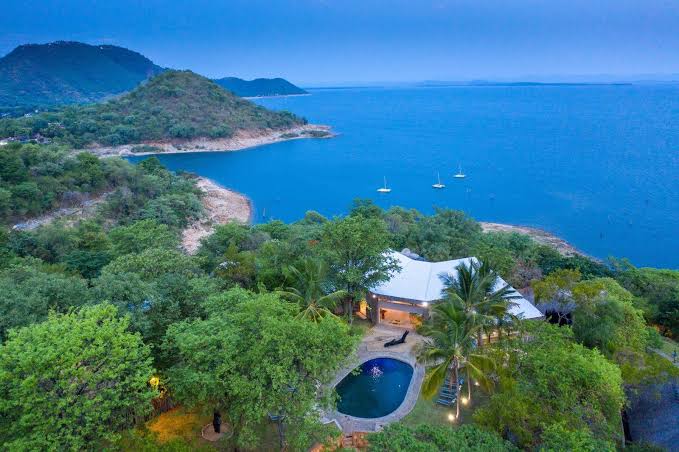
Lake Kariba, another huge man-made lake, rounds out our list. This reservoir is on the boundary between Zambia and Zimbabwe. It was made by damming the Zambezi River in the 1950s. It is one of the biggest man-made lakes in the world, with a surface area of around 5,580 square kilometers. The Kariba Dam, which was an amazing piece of engineering, formed the lake and gave the region’s energy supply a huge boost. Today, Lake Kariba is a busy place with a successful kapenta (sardine) fishery and a growing tourism business based on seeing wildlife in the nearby parks and taking amazing houseboat vacations. The tale of Lake Kariba, from its disputed creation to its current function as a regional asset, shows how complicated the relationship is between development and the environment in modern Africa.
Related Posts

Top 10 Best Hospitality Schools In The World (2026 Update): Where Tomorrow's Leaders Train
The world’s top hospitality schools continue to be essential in the context of a global economy because of their emphasis on offering exceptional guest experiences and high-quality service. People who want to work in hotels and other hospitality-related fields are actively looking for educational opportunities that will equip them with the skills and knowledge they […] <a class="g1-link g1-link-more" href="https://nubiapage.com/top-10-best-hospitality-schools-in-the-world-2024-up

Top 10 Greatest Packer Players in the World 2026: Surprising Picks & Legends
The Green Bay Packers, which are considered to be one of the most illustrious franchises in the history of the National Football League, have, throughout its existence, boasted a roster of remarkable talent. The history of the Packers is filled with players that have stood out for some reason, whether it be their iconic Super […] More

Top 10 Biggest Concert Stadiums In The World 2026
In 2026, the world of concert venues includes some of the biggest and most famous stadiums, known for hosting huge crowds and providing live music experiences that are unmatched. The following is a list of the ten largest concert stadiums in the world: List Of Top 10 Biggest Concert Stadiums In The World 2026 1. […] More

Top 10 Richest Chefs in USA 2026: How They Built Culinary Empires
In recent years, the world of celebrity chefs has developed into a multi-billion dollar industry that combines culinary expertise with media savvy, entrepreneurialism, and the development of distinctive brands. In the year 2026, a number of the wealthiest chefs in the United States have not only established themselves as influential figures in the kitchen, but […] More
1 Comment
Join the discussion and share your thoughts