Top 10 Best AI Video Generators 2026

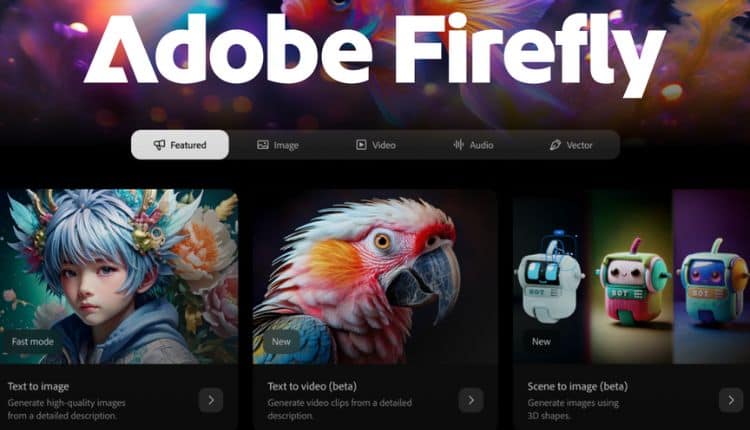
Table of Contents

Nubia Magazine is a publication that chronicles the instruments that extend the boundaries of what is possible. We are located at the crossroads of human creativity and technological advancement. In the time since the invention of motion pictures, the landscape of digital storytelling is currently undergoing the most significant upheaval it has ever experienced. A new era is beginning, one in which creativity is the major currency. Whereas in the past, video production required vast crews, expensive technology, and weeks of meticulous editing, all of these things are no longer necessary. Artificial intelligence is the driving force behind this seismic transformation, and the rate of invention is nothing short of amazing.
As we move forward into the year 2026, artificial intelligence video generation has progressed beyond the production of odd and frequently surreal movies to the development of a sophisticated field that is capable of producing stunning and high-fidelity footage from nothing more than words. These tools are no longer reserved solely for early adopters and fans of technology; rather, they have evolved into indispensable instruments for filmmakers, marketers, educators, and creators of all shades. Through the transformation of a descriptive sentence into a visual narrative, the promise is revolutionary: to make high-end video production accessible to more people.
On the other hand, this comes with an overwhelming number of options to choose from. An overwhelming number of platforms are already available on the market, each of which boasts an own set of advantages, ranging from photorealistic generation to easy avatar-driven presentations. Insight and clarity are required in order to successfully navigate this dynamic ecosystem. What are some ways that you might select the appropriate instrument for your particular vision, whether it be a short film with a cinematic style, a commercial for a dynamic product, or an instructive explanation that is engaging?
Nubia Magazine has conducted an in-depth analysis and evaluation of the leading platforms that are driving the business in order to provide you with guidance as you navigate this dynamic frontier. The following is a list that we have compiled of the Top 10 Best Artificial Intelligence Video Generators of 2026. We have taken into consideration not only their technical capabilities but also their practical applications in terms of bringing your individual narrative to life.
List Of Top 10 Best AI Video Generators 2026
1. Google Veo 3
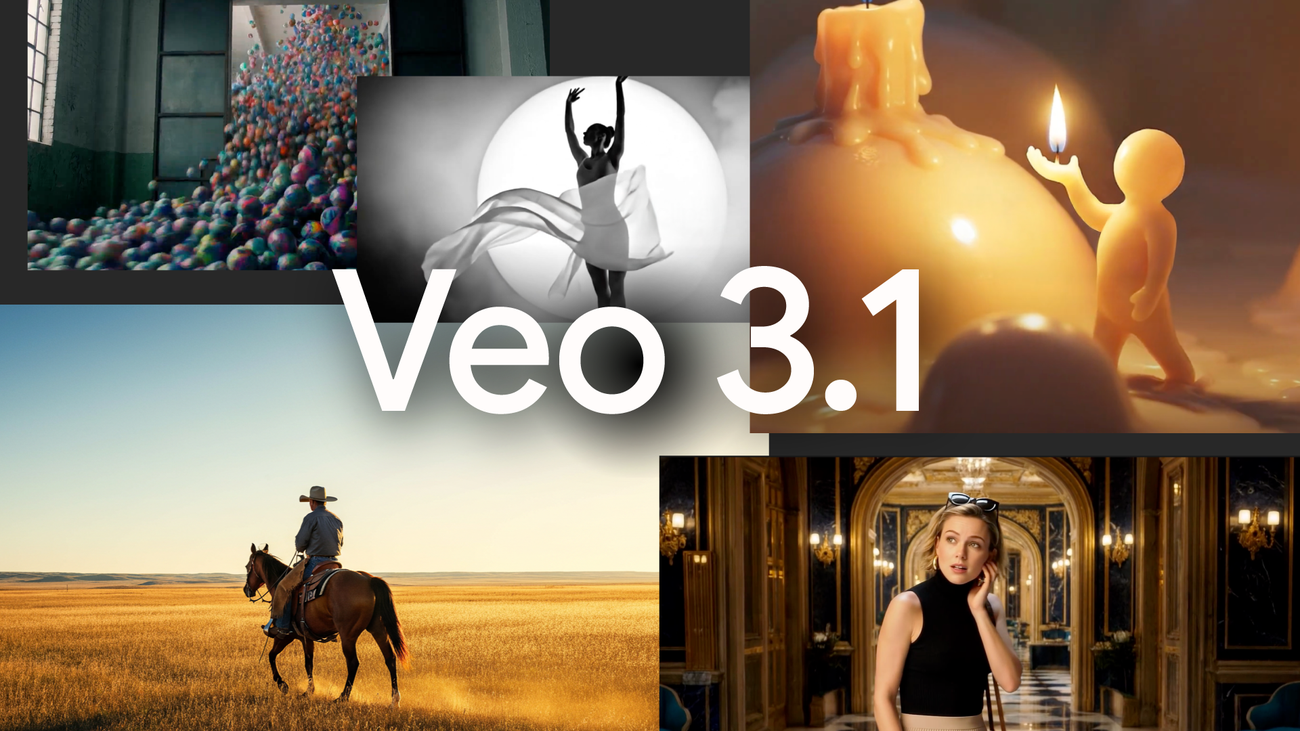
Veo 3 is Google’s answer to making high-quality videos. It is a huge step forward in understanding how movies work. It makes videos with great temporal coherence. Objects and characters move in a way that is realistic and cognizant of physics, which was hard for prior models to do. Its best advantage is its unique ability to grasp “prompt adherence.” It can accurately interpret long, complicated specifications with many clauses to make clips that really match what the user wants. For filmmakers who want to make footage that seems like it was shot by a director with an eye for detail, from wide vistas of landscapes to close-ups with a lot of information, Veo 3 sets a high bar.
2. OpenAI Sora 2
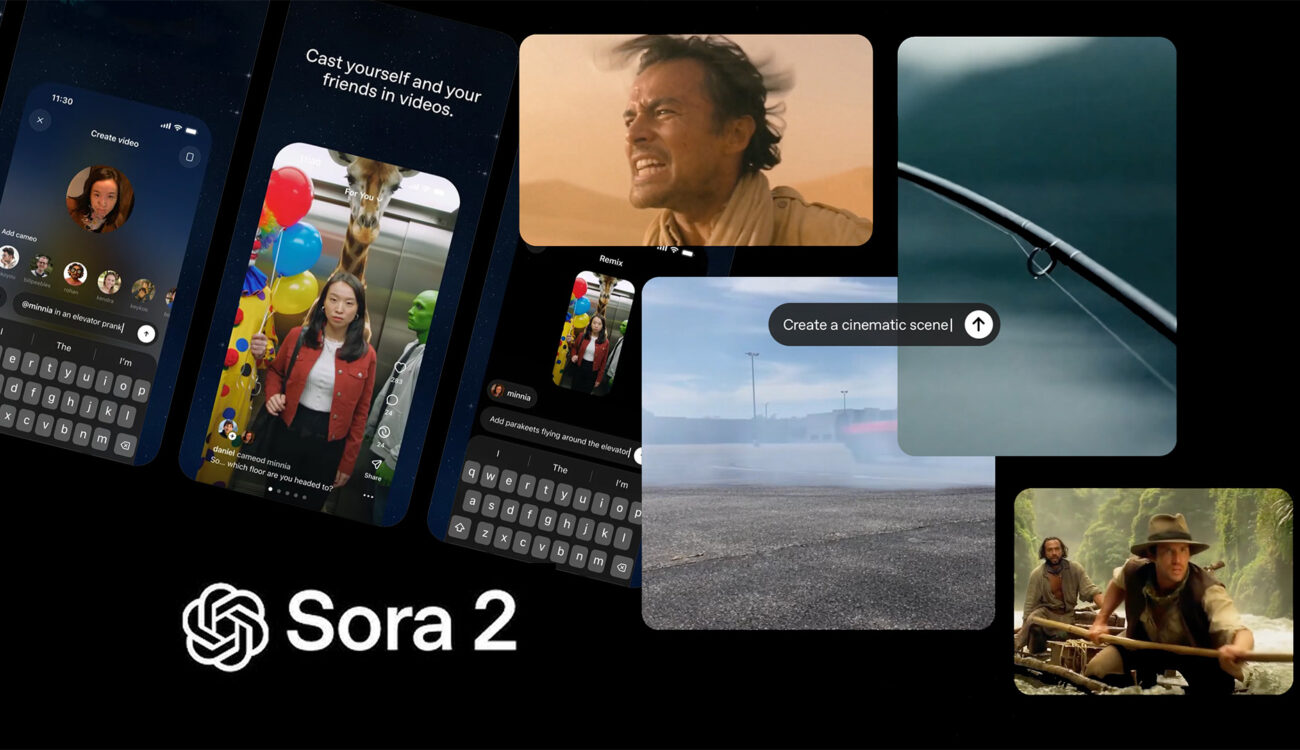
Sora 2 is the next version of the model that shocked the world. It builds on the history of making one-minute films from text prompts that are both wildly inventive and visually consistent. It has made big improvements in spatial thinking and anatomical correctness, which has reduced the “uncanny valley” impacts of the previous version. Sora 2 is great at making scenes that are full of ideas and tell a story that feel like they came from a dream or a big-budget movie. It is still the best way to explore creativity without any outside influences, and it is a great tool for storyboarding and visualizing concepts.
3. Runway Gen-4
Runway’s Gen-4 is a flexible workhorse for professional creatives and is a leader in the field. People in the film and design industries enjoy it. Its range of tools goes beyond text-to-video to include powerful motion brushes, style presets, and complex in-painting and out-painting features. This makes it possible for AI creation and human fine-tuning to function together in a way that doesn’t cause problems. Runway Gen-4 offers an unequaled, editor-focused environment for artists and editors who want to have full control over every frame. Instead of being a black-box generator, AI can work with them.
4. Kling AI

Kling AI has become a dark horse because it can make human movements and facial expressions look quite natural. It can make realistic-looking sports sequences, dance routines, and everyday activities since it has been trained on a huge dataset of footage of people doing things. The physics of simulating hair and cloth are quite interesting. Kling AI is a great and very realistic way for marketers and content creators to get actual people in their films without having to set up a full shoot.
5. Adobe Firefly (video)
Adobe Firefly for video is a game-changer for current Adobe users since it is deeply interwoven into the Creative Cloud, which is everywhere. Its strength comes not only from its raw generating capability, but also from how well it works with other software. Make a clip right in Premiere Pro or After Effects, then use the normal tools to edit, color-grade, and composite it. Firefly is the best solution for professionals who are already part of the Adobe ecosystem because it works well with other Adobe products and Adobe focuses on models that are safe for business and trained in ethics.
6. The Luma Dream Machine
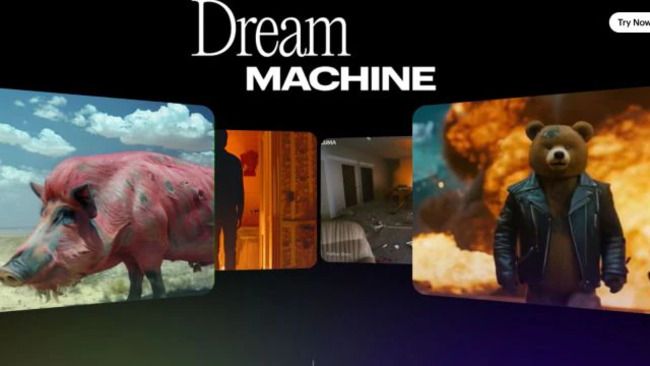
People love Luma Dream Machine for its quickness and ease of use. It’s the best tool for quickly prototyping and iterating on ideas. Its UI is well-known for being easy to use, and it can make good-quality videos in a fraction of the time it takes its competitors. It has a strong sense of style and can turn images and text into videos. Dream Machine is the best choice for creators, entrepreneurs, and social media managers that need to swiftly turn ideas into graphic drafts without having to learn a lot.
7. Synthesia
Synthesia is the best platform for making professional AI avatar videos. It is a leader in a specific sector. Its main usage is for business and school communication, making movies where a photorealistic avatar reads a script in more than 130 languages. The main goals here are clarity, professionalism, and scalability. This is great for making continuous training modules, product updates, or personalized marketing messages on a large scale without necessitating a camera crew or studio. It’s a great tool for business communication that boosts productivity.
8. HeyGen
HeyGen is like Synthesia in that it focuses on avatar-based video, but it puts more emphasis on user-friendly features like avatar cloning and translation tools that can be used in many ways. Its platform makes it very easy to build interesting talking-head films for sales pitches, presentations, and learning materials. HeyGen is different since it has an AI video translator that can easily dub your existing footage into various languages, making sure that the lip movements match. It’s the perfect all-in-one solution for organizations that want to improve their communication with a personal touch.
9. Pika 2.1
Pika Labs has built a devoted community around their responsive development and stylish results. People love Pika 2.1 for its artistic freedom and the creative control it gives users through its web app. It does a great job of keeping things consistent throughout a wide range of animation styles, from 3D CGI to anime and watercolor. It is a popular among freelance digital artists and animators who are working on specialized, style-driven projects since it is easy to add to videos, change parts of a frame, and change styles.
10. Vidu
Shengshu Technology in China made Vidu, which has gotten a lot of attention throughout the world because it can make extended video sequences that make sense, which is something that most short clips can’t do. It has a good understanding of conventional cinematography and can keep characters and scenes consistent over longer periods of time. Vidu is a platform to watch for producers who want to make longer, more structured video stories directly from AI. This is because Vidu is a contender that brings a lot of new technology to the table, especially in terms of narrative continuity.
Related Posts

Top 10 Best Hospitality Schools In The World (2026 Update): Where Tomorrow's Leaders Train
The world’s top hospitality schools continue to be essential in the context of a global economy because of their emphasis on offering exceptional guest experiences and high-quality service. People who want to work in hotels and other hospitality-related fields are actively looking for educational opportunities that will equip them with the skills and knowledge they […] <a class="g1-link g1-link-more" href="https://nubiapage.com/top-10-best-hospitality-schools-in-the-world-2024-up
Top 10 Greatest Packer Players in the World 2026: Surprising Picks & Legends
The Green Bay Packers, which are considered to be one of the most illustrious franchises in the history of the National Football League, have, throughout its existence, boasted a roster of remarkable talent. The history of the Packers is filled with players that have stood out for some reason, whether it be their iconic Super […] More
Top 10 Biggest Concert Stadiums In The World 2026
In 2026, the world of concert venues includes some of the biggest and most famous stadiums, known for hosting huge crowds and providing live music experiences that are unmatched. The following is a list of the ten largest concert stadiums in the world: List Of Top 10 Biggest Concert Stadiums In The World 2026 1. […] More

Top 10 Richest Chefs in USA 2026: How They Built Culinary Empires
In recent years, the world of celebrity chefs has developed into a multi-billion dollar industry that combines culinary expertise with media savvy, entrepreneurialism, and the development of distinctive brands. In the year 2026, a number of the wealthiest chefs in the United States have not only established themselves as influential figures in the kitchen, but […] More
5 Comments
Join the discussion and share your thoughts